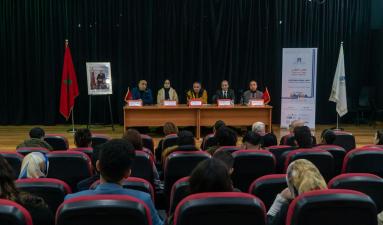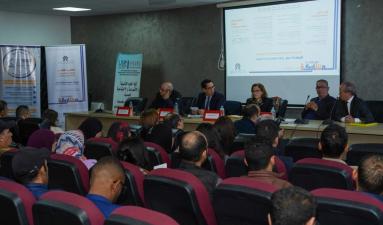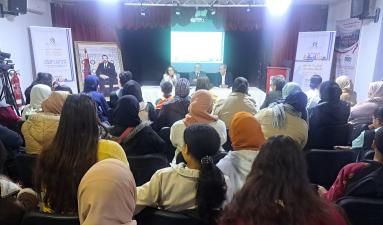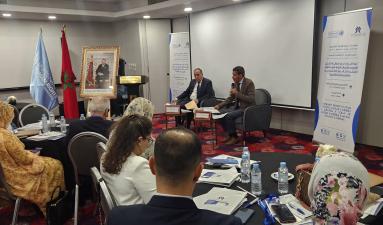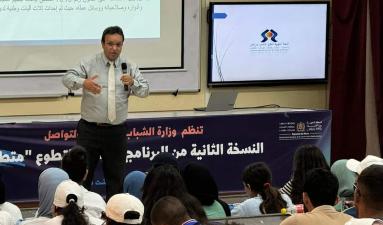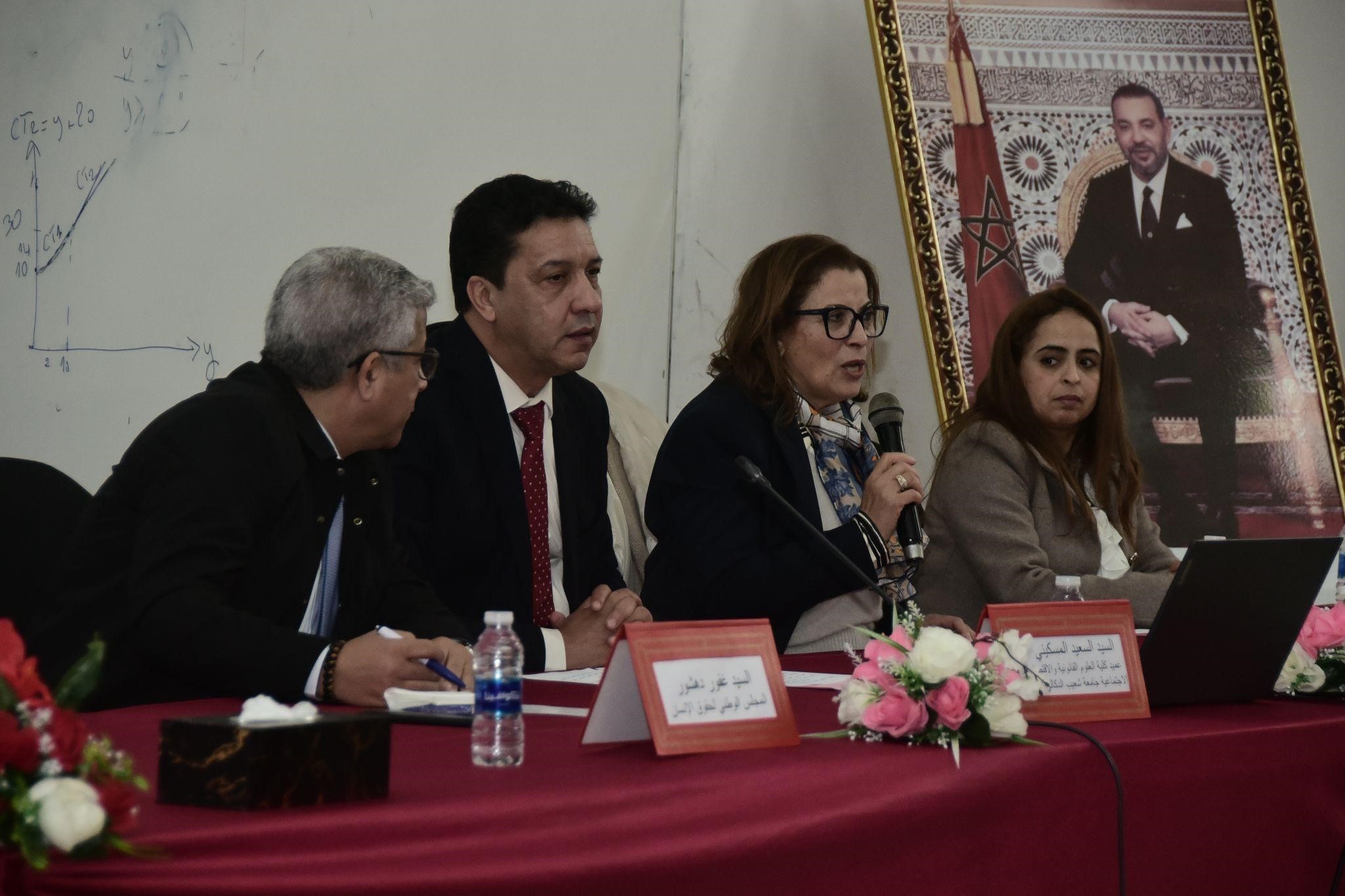
Ms. Saadia Waddah, Chair of the Regional Human Rights Commission for the Casablanca-Settat region, emphasized the importance of leveraging the opportunities offered by artificial intelligence technologies to support young people and encourage them to develop effective solutions to the various challenges facing their societies. She also stressed the need to equip them to responsibly and ethically address the potential challenges arising from technological progress.
She made these remarks during her intervention at the interactive panel discussion on “Youth Participation: AI Opportunities and Challenges,” organized by the National Human Rights Council (CNDH) in partnership with the Faculty of Legal, Economic and Social Sciences in El Jadida on Thursday, December 19, 2024, at the faculty, as part of its participation in the second edition of the International Children’s and Youth Book Fair.
Ms. Waddah highlighted that the meeting reflects the Council’s commitment to implementing the principle of participation by listening to the opinions and perspectives of young people on emerging issues related to digitalization and artificial intelligence. She noted that the institution includes these topics among its main priorities by monitoring and following up on the risks associated with the use of technology that may affect the essence of human rights.
For his part, Mr. Said El Meskini, Dean of the Faculty, stated that this initiative is in line with the new dynamics taking place in Morocco, particularly government programs aimed at supporting youth, strengthening their engagement across various fields, and placing them at the center of the new development model, while developing an integrated strategy aligned with their aspirations. He also pointed out that artificial intelligence has become a driving force in all aspects of life, which calls for a comprehensive vision to harness it in ways that enhance youth participation.
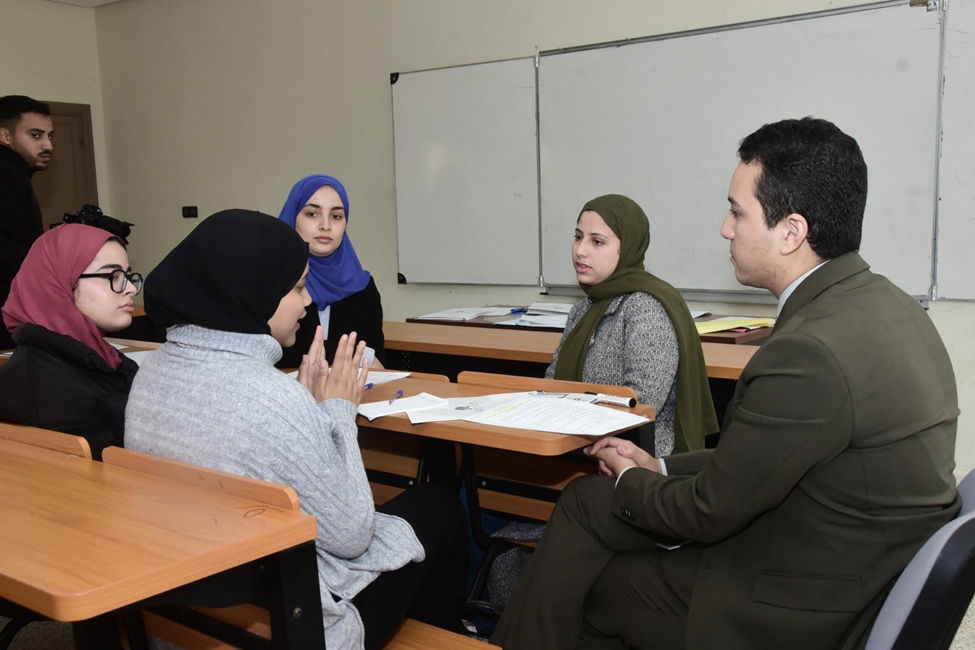
The meeting concluded with practical workshops in which the participating youth formulated several recommendations and proposals. These included encouraging creative initiatives based on artificial intelligence technologies, leveraging technology and social media to strengthen the effectiveness of rights, particularly the rights to freedom of expression and access to information., creating digital platforms for expressing opinions and evaluating public policies to enhance youth engagement in public affairs, promoting civic and political participation education, and establishing safeguards to ensure respect for human rights values in the digital space.


Read more