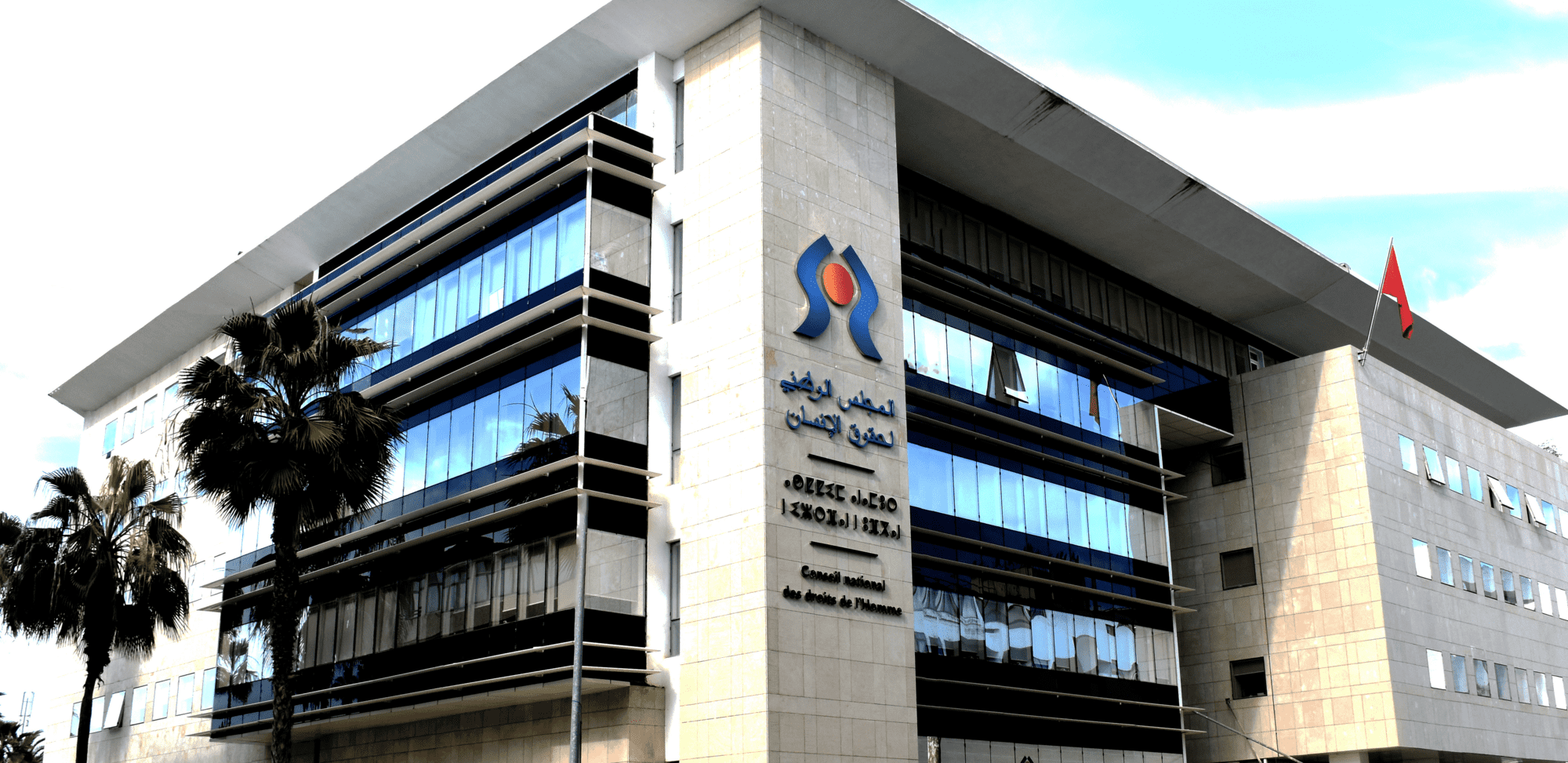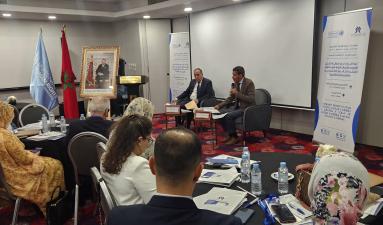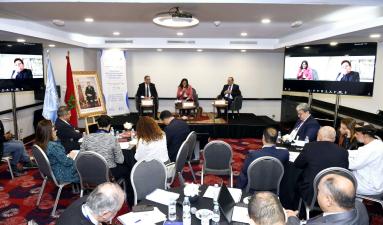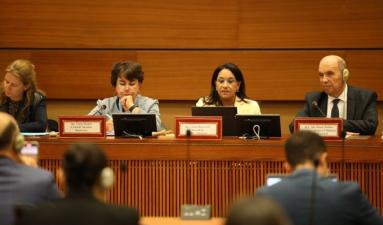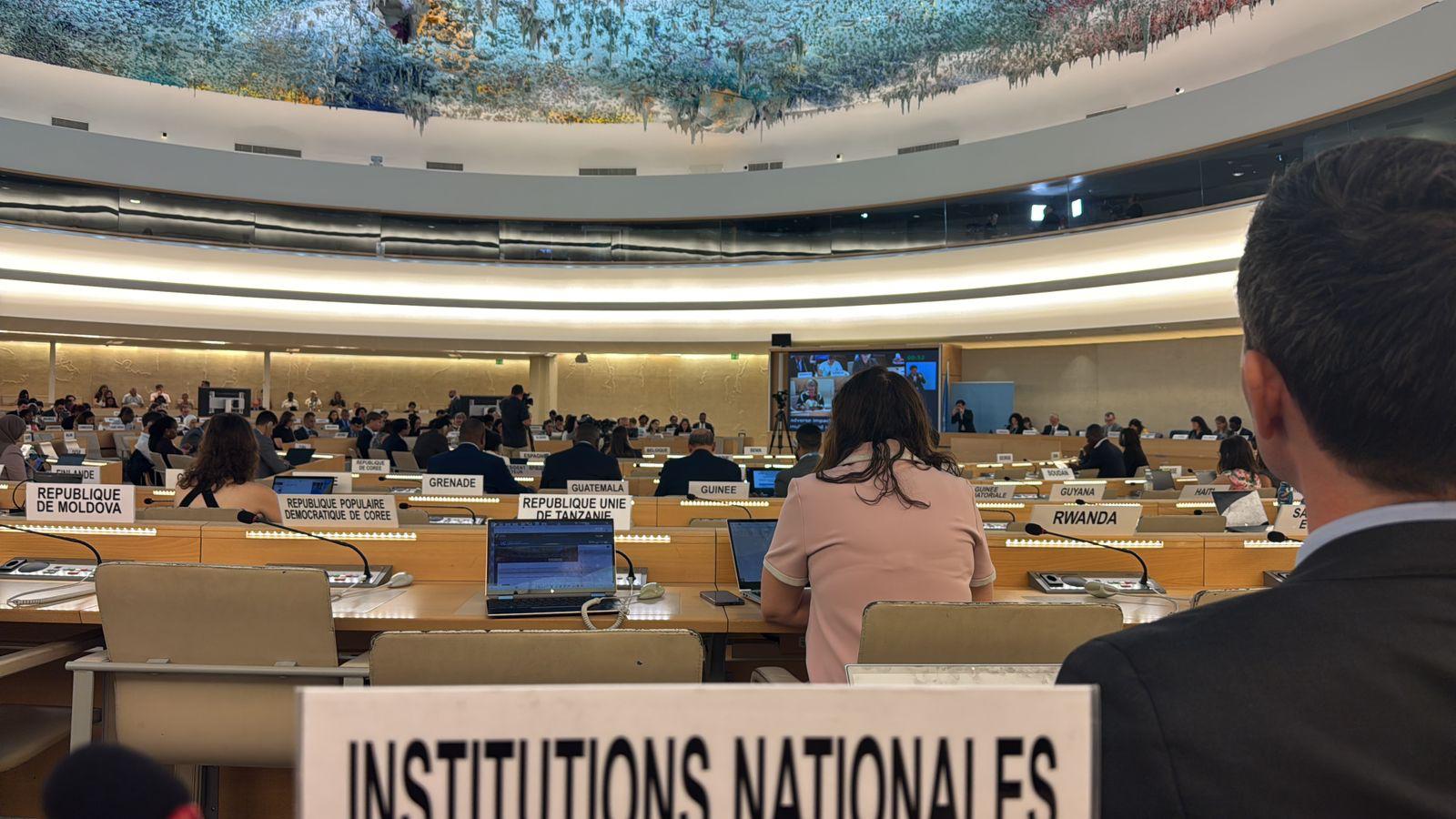
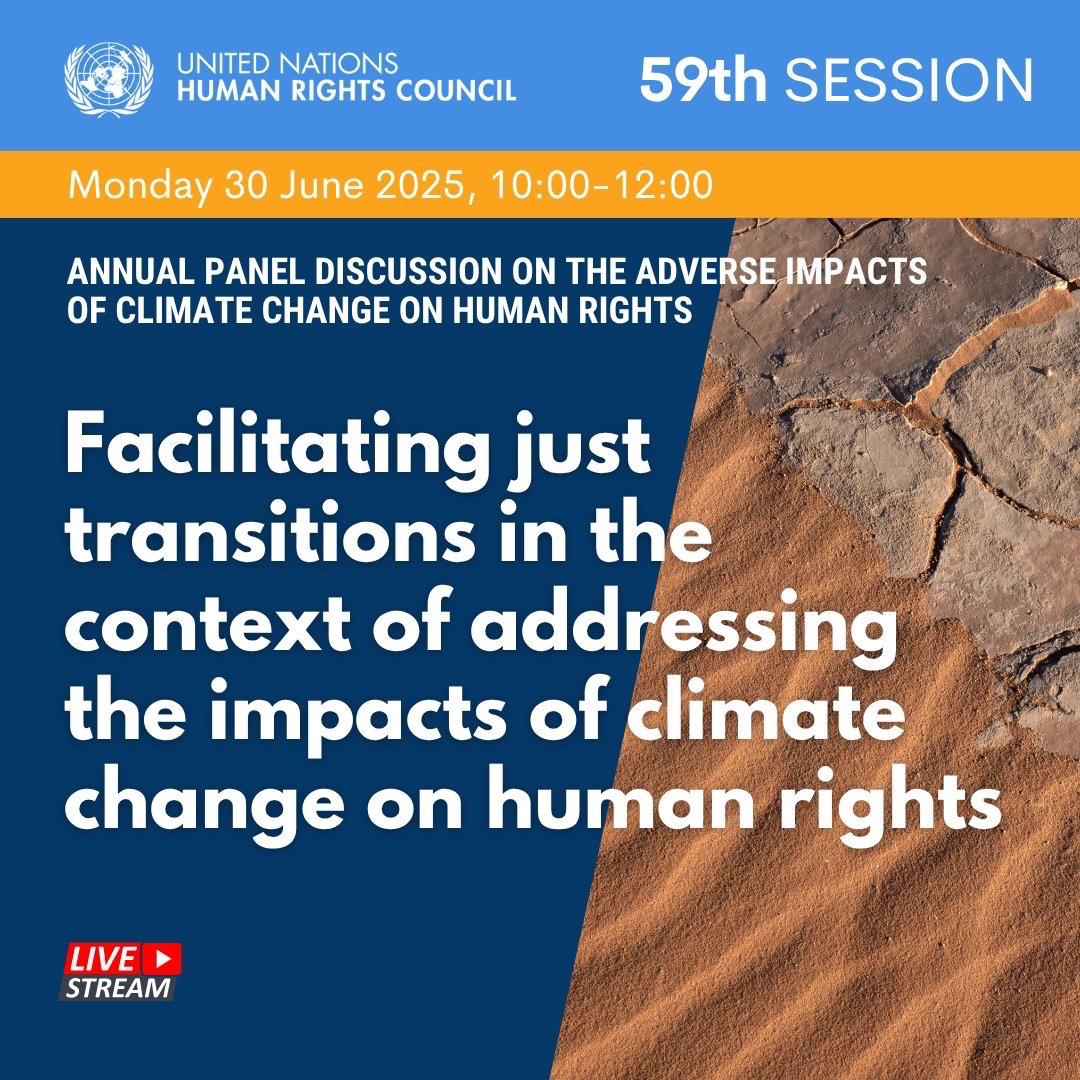
The National Human Rights Council (CNDH) took part on Monday, June 30, 2025, in the annual panel discussion on the adverse impacts of climate change, held during the 59th session of the United Nations Human Rights Council in Geneva.
This year’s discussion centered on how to promote a just transition that responds to growing climate challenges while addressing their deep implications for the enjoyment of human rights. The discussion also highlighted best practices and experiences from across the globe.
In its statement, the Council emphasized that “climate justice cannot be separated from social justice,” stressing the need to adopt a human rights-based approach in the design and implementation of climate policies and actions.
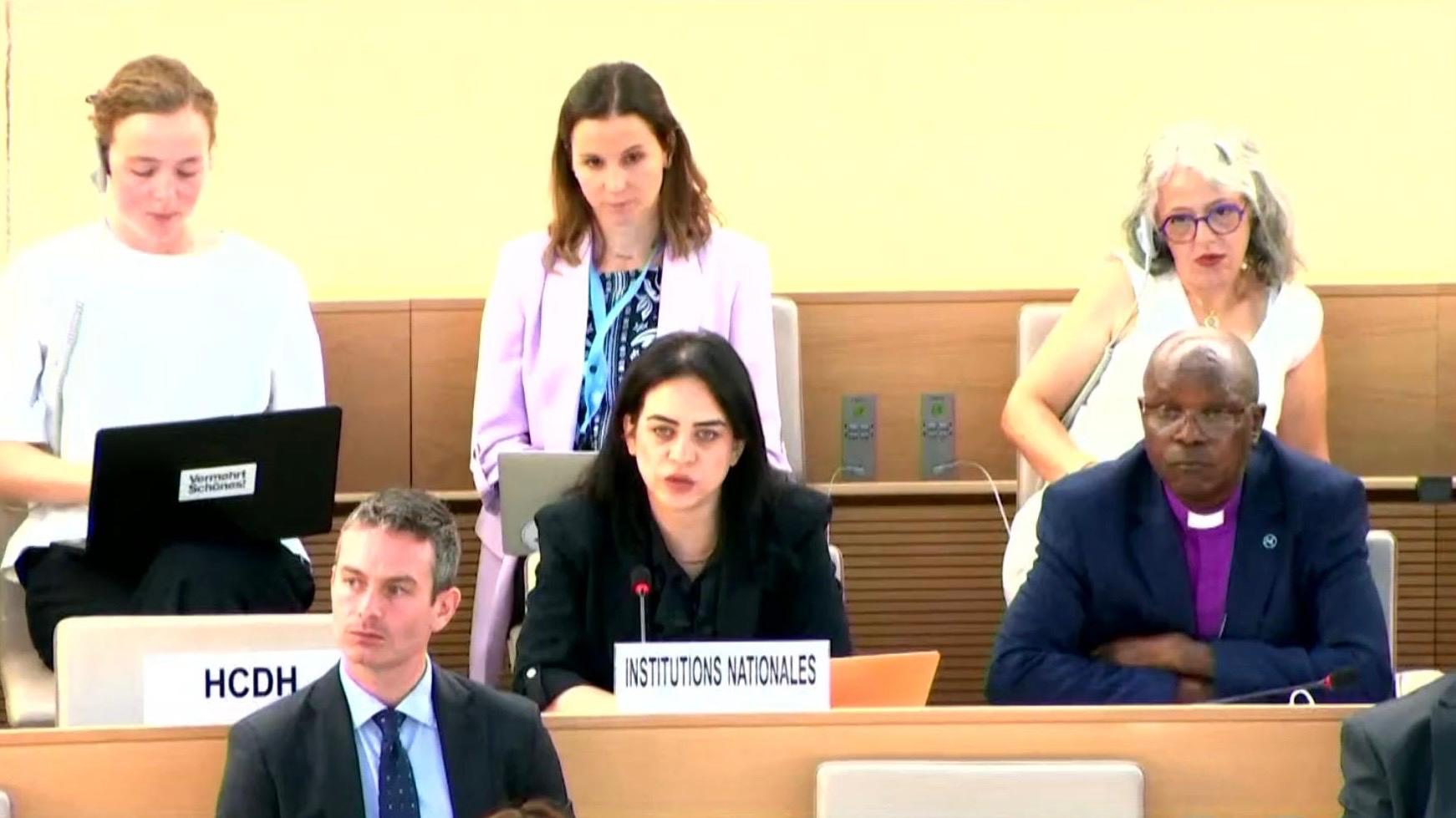
Opening the session, Volker Türk underscored that “the climate crisis is fundamentally a human rights crisis.” He warned that failing to adequately protect those most affected by climate change would only deepen global inequalities and injustices.
Mr. Türk also pointed to the risk of millions of job losses in the fossil fuel sector, alongside an uneven labor market transition, noting that 3.8 billion people worldwide still lack any form of social protection. In this context, the CNDH welcomed Morocco’s efforts to expand social protection, describing it as a key tool for mitigating the socio-economic impacts of this transition, particularly on employment.
To ensure a fair and inclusive transition, the Council proposed four main measures:
Consolidating environmental legislation into a unified legal framework that guarantees the effective enforcement of environmental human rights;
Strengthening coordination among policymakers to better protect vulnerable populations;
Expanding sustainable economic alternatives while providing vocational training to support the shift toward green jobs;
Supporting micro, small, and medium-sized enterprises in adapting to evolving environmental regulations.
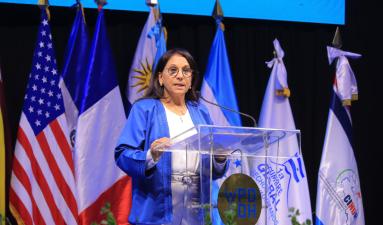
In a statement issued on the occasion, Ms. Amina Bouayach, CNDH Chairperson, highlighted that responding to climate change cannot be limited to technical or economic measures alone. Instead, she stressed, it must be firmly grounded in human rights principles, particularly justice, dignity, and equality.
She further emphasized that a just transition is not optional but essential to prevent the marginalization of vulnerable groups, especially those affected by drought and the loss of livelihoods. In this regard, the Council considers climate justice and social justice to be inseparable and advocates for their integration into public policies.
Addressing the global dimension of the crisis, Ms. Bouayach noted that climate change knows no borders, even though its impacts vary significantly across regions, reflecting disparities in countries’ capacity to adapt and respond. This reality, she argued, calls for stronger international solidarity.
She concluded by stressing that protecting human rights in the context of climate change requires a robust international alliance, one that goes beyond voluntary commitments toward binding mechanisms capable of holding states and institutions accountable for emissions reduction, while ensuring adequate financing for ecological transitions in the most vulnerable countries.
Ultimately, achieving climate justice depends on guaranteeing equitable access for Global South communities to technology, knowledge, and financial resources, an effort that calls for rethinking the very foundations of the international environmental protection system.


Read more