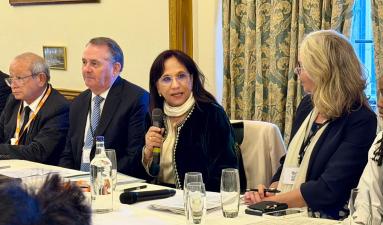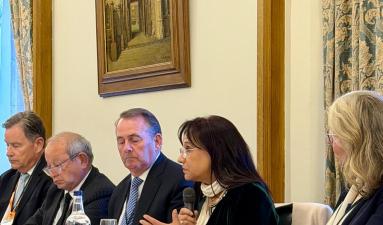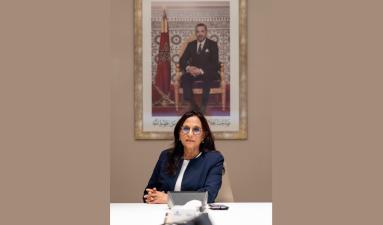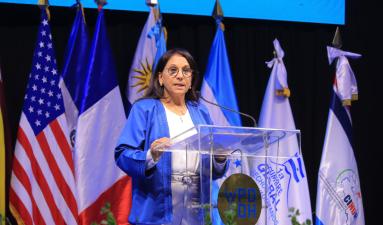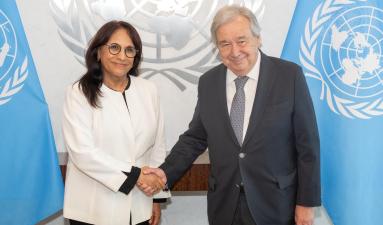
Ms. Amina Bouayach, Chairperson of the National Human Rights Council (CNDH), highlighted Morocco’s experience in the field of human rights, describing it as “the fruit of a profound and cumulative reform process with legal, political, social, and cultural dimensions that cannot be reduced to a mere series of isolated measures or reforms.” Rather, she stressed, it reflects “clear national choices that place human dignity at the heart of collective action.”
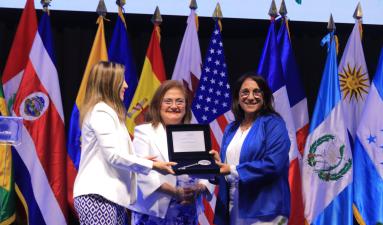
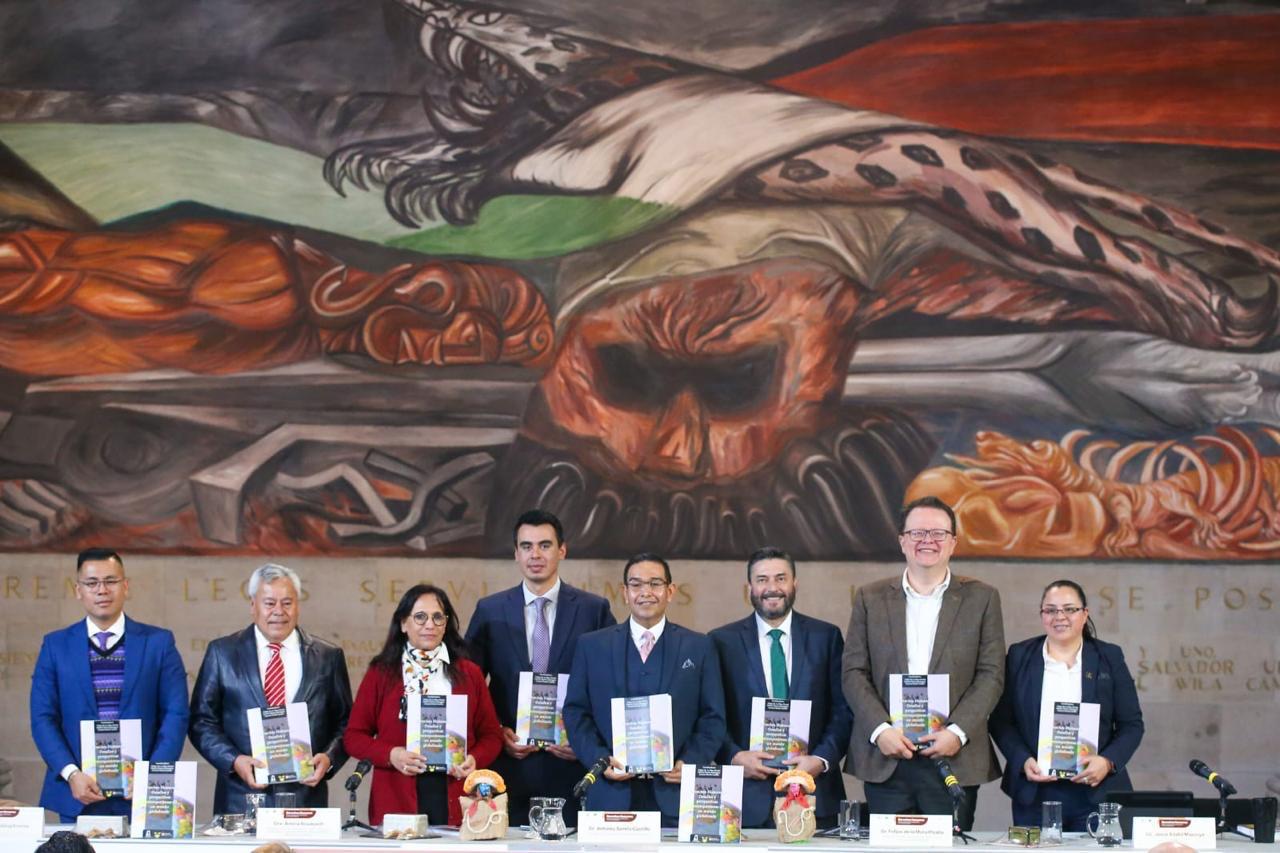
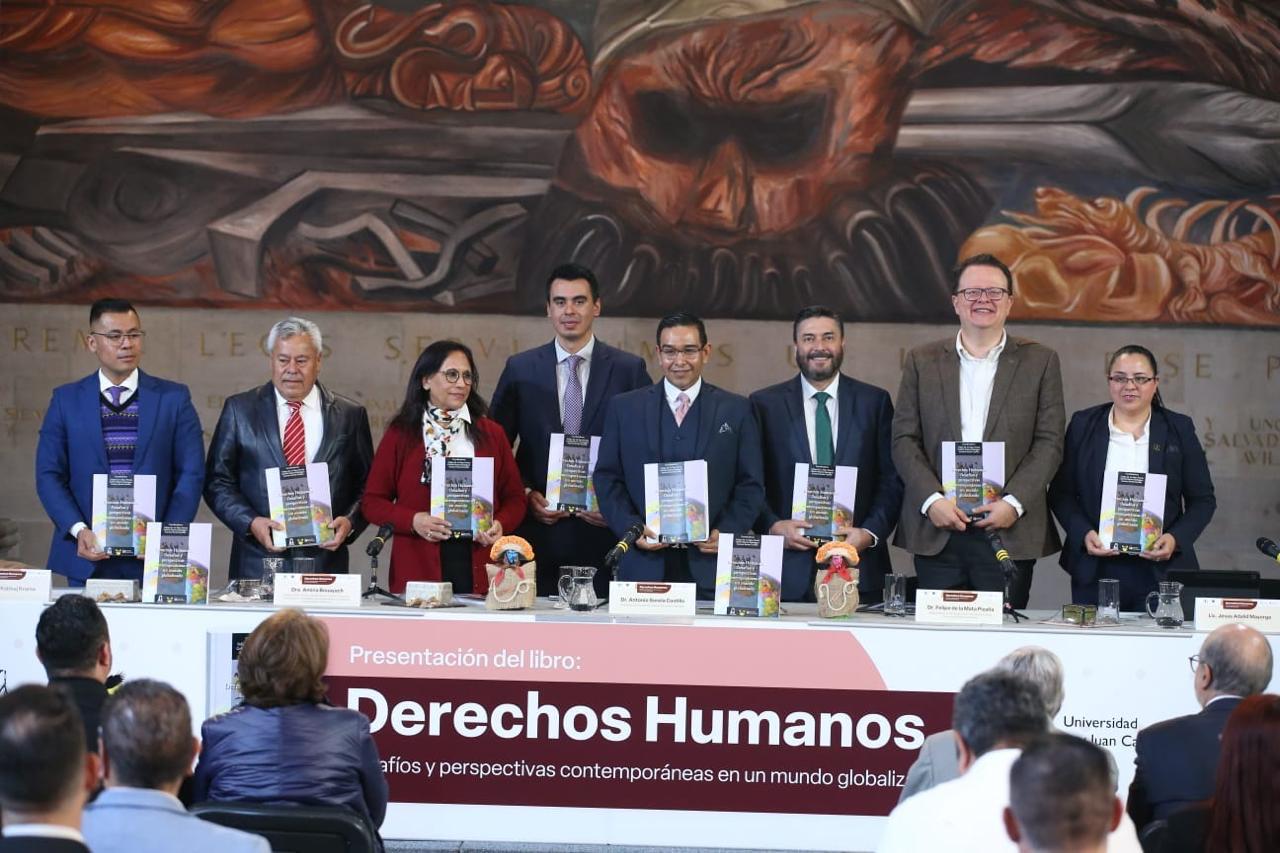
She delivered these remarks on Friday at the presentation launching the collective work “Human Rights: Contemporary Challenges and Prospects in a Globalized World,” held at Mexico’s Supreme Court (Suprema Corte de Justicia de la Nación). In this context, she emphasized that the advancement of human rights in Morocco goes hand in hand with the consolidation of democratic institutions, a process aimed at transforming human dignity from an abstract principle into a key pillar guiding constitutional, legislative, and institutional reforms, thereby establishing human rights as a regulatory framework for legislation and public policies.
During the event, the CNDH Chairperson outlined the foundations of the concept of a state that protects or defends human rights, as embodied in the Moroccan experience, identifying five fundamental principles: respecting the rule of law and preventing violations by the state itself; protecting human rights through both judicial and non-judicial mechanisms; promoting human rights through public policies; guaranteeing the effective enjoyment of rights through access to justice and equality before the law, particularly for vulnerable groups; and establishing accountability based on democratic oversight and the responsibility of public authorities.
Ms. Bouayach noted that over two decades ago, Morocco experienced a pivotal turning point that brought human rights to the center of public debate, strengthened citizen engagement, and led to the establishment of the Equity and Reconciliation Commission (IER) to address past violations. The Commission’s recommendations subsequently laid the foundation for major constitutional, legislative, and institutional reforms, helping to strengthen the democratic process and enhance the effective protection and promotion of human rights.
She also reiterated the three key pillars of Morocco’s reform approach: seeking consensus rather than compromise, devising solutions tailored to the national context, and ensuring broad participation and engagement of all stakeholders through a participatory approach encompassing all regions of the Kingdom.
In this regard, she highlighted the central role played by civil society in promoting the adoption of international human rights standards and advocating for their translation into concrete public policies.
While acknowledging that reform paths are rarely linear and often face debate, criticism, and implementation challenges, Ms. Bouayach emphasized that Morocco’s commitment to human rights has been reinforced across generations, becoming an irreversible strategic choice. She further explained that national action rests on two complementary approaches: a reactive approach addressing violations and a preventive approach that leverages human rights as a driver of comprehensive and sustainable development.
In concluding her remarks, Ms. Bouayach emphasized that Morocco is entering a more advanced stage, where the principle of linking responsibility with accountability is strengthened through more robust institutions and greater protection of rights, particularly for the most vulnerable groups. She noted that Morocco’s experience shows that building a state that safeguards human rights is a gradual, participatory process, grounded in dialogue and adapted to national realities, while fully embracing the universality of human rights in its three dimensions: prevention, protection, and promotion.
The CNDH Chairperson noted that the collective publication to which she has contributed is a unique collaborative effort, bringing together experiences from multiple regions and diverse contexts. It links global challenges with local realities, initiatives, practices, and solutions, all converging toward a single goal: defending human rights and safeguarding human dignity as a fundamental moral and political choice in a world marked by uncertainty and facing multiple crises (human rights funding, climate change, technological and AI-related risks to human rights and societies, and the decline of multilateral international action).
The publication, available at Mexico’s Supreme Court, was produced with the support and cooperation of Rey Juan Carlos University and Mexico's Electoral Court of the Federal Judiciary, among other institutions. It features contributions from numerous experts and specialists in law and human rights, primarily from Latin American countries (Mexico, Colombia, Brazil, Peru, and Ecuador) as well as from other countries, including Spain, Morocco, and Georgia.


Read more