Renewal across generations is not about replacing one generation with another. It is about building a relationship in which experience and fresh perspectives complement one another, and in which young people are recognised as active partners in shaping the present and the future. This requires meaningful dialogue, mutual learning and a shared commitment to building more inclusive, resilient and peaceful societies.
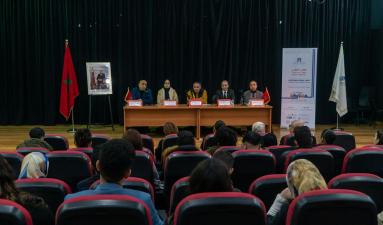
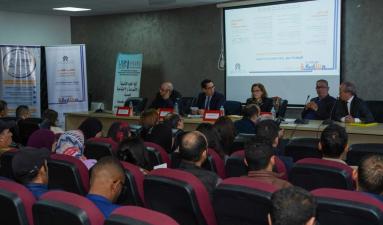
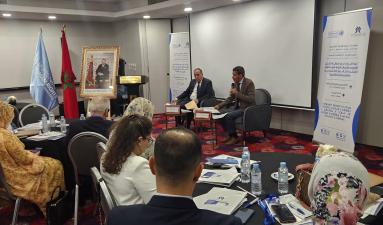
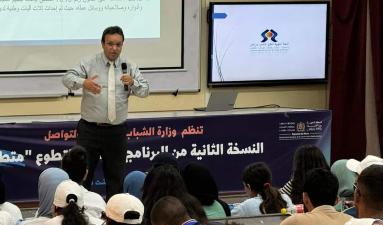
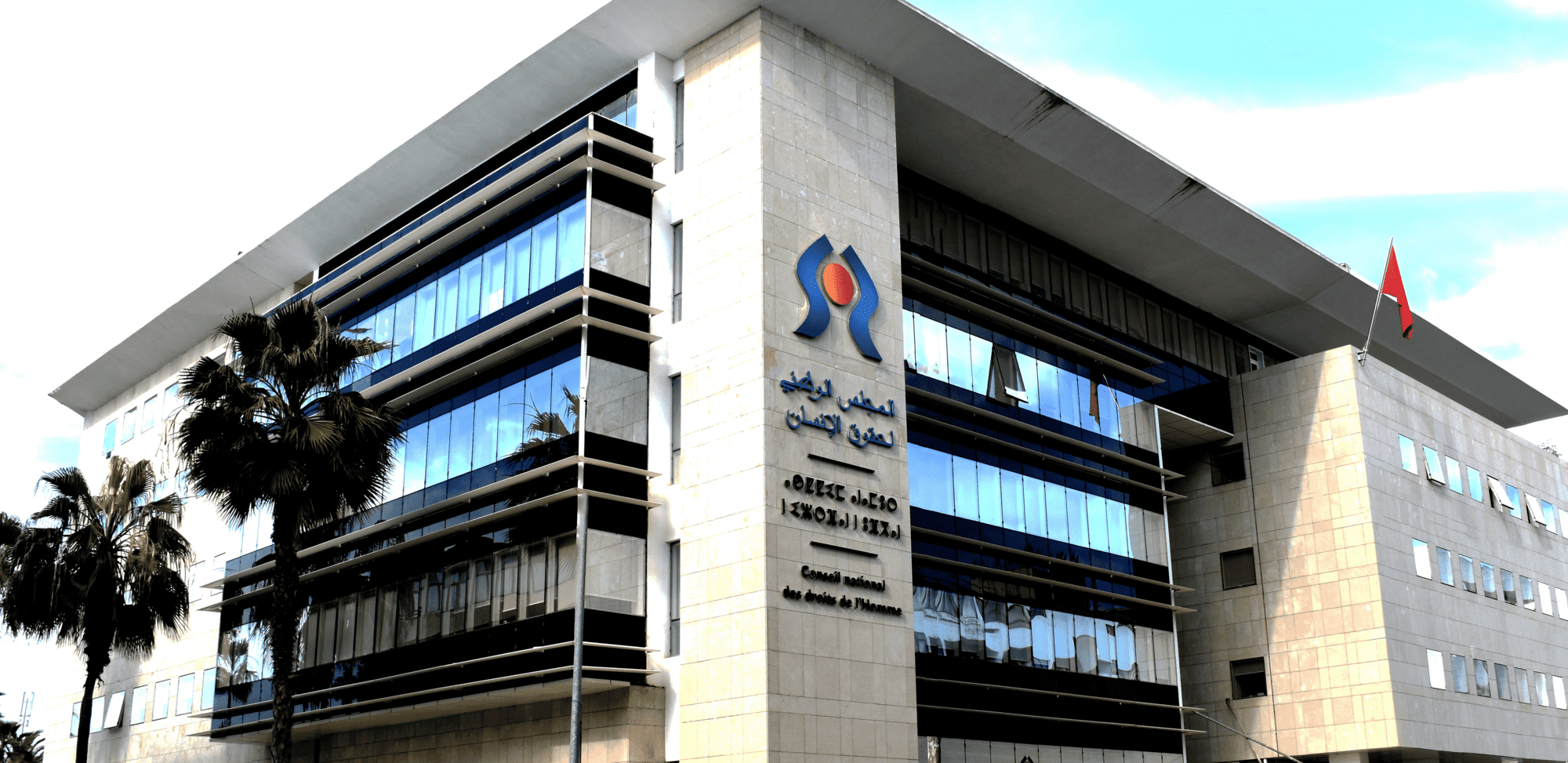
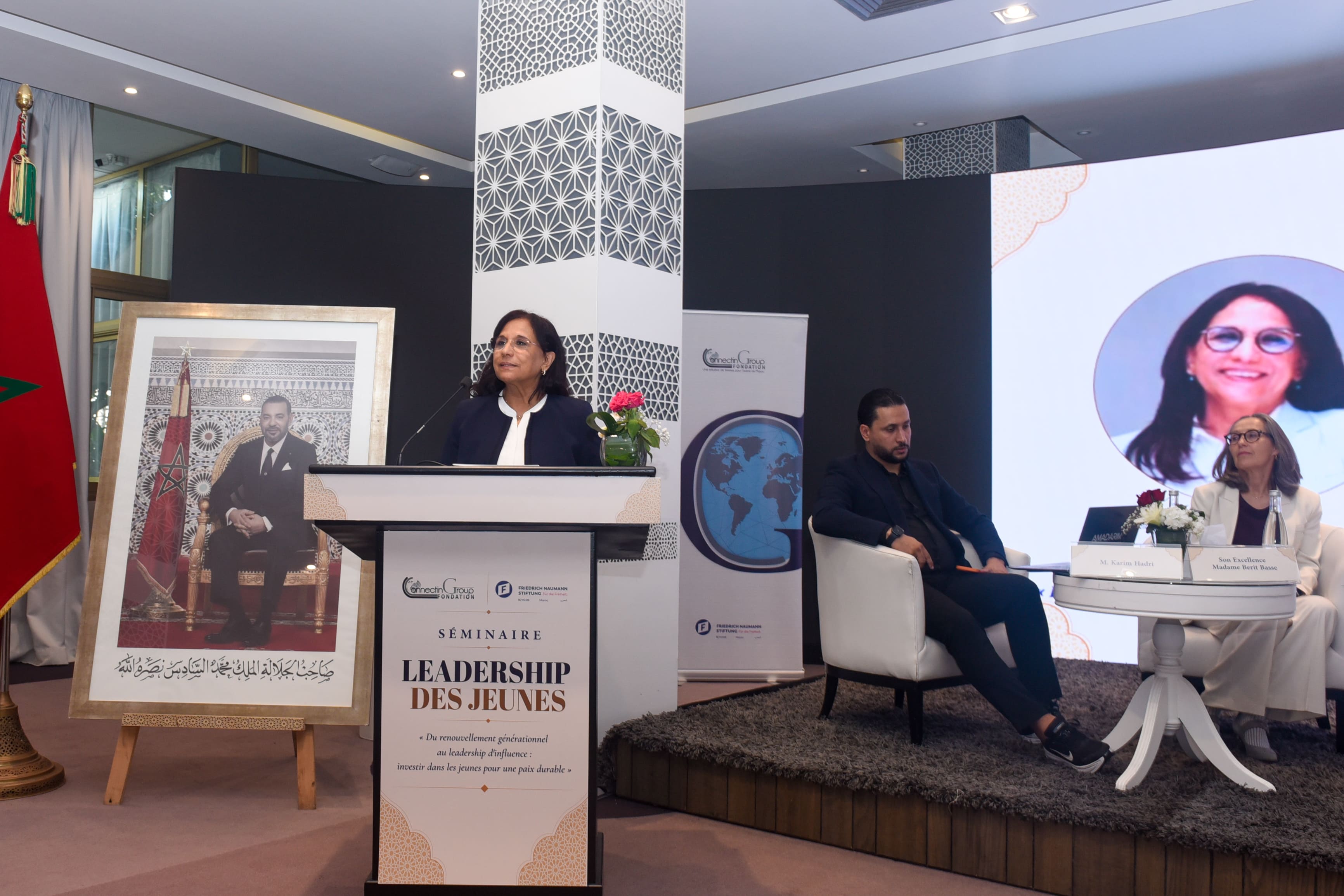
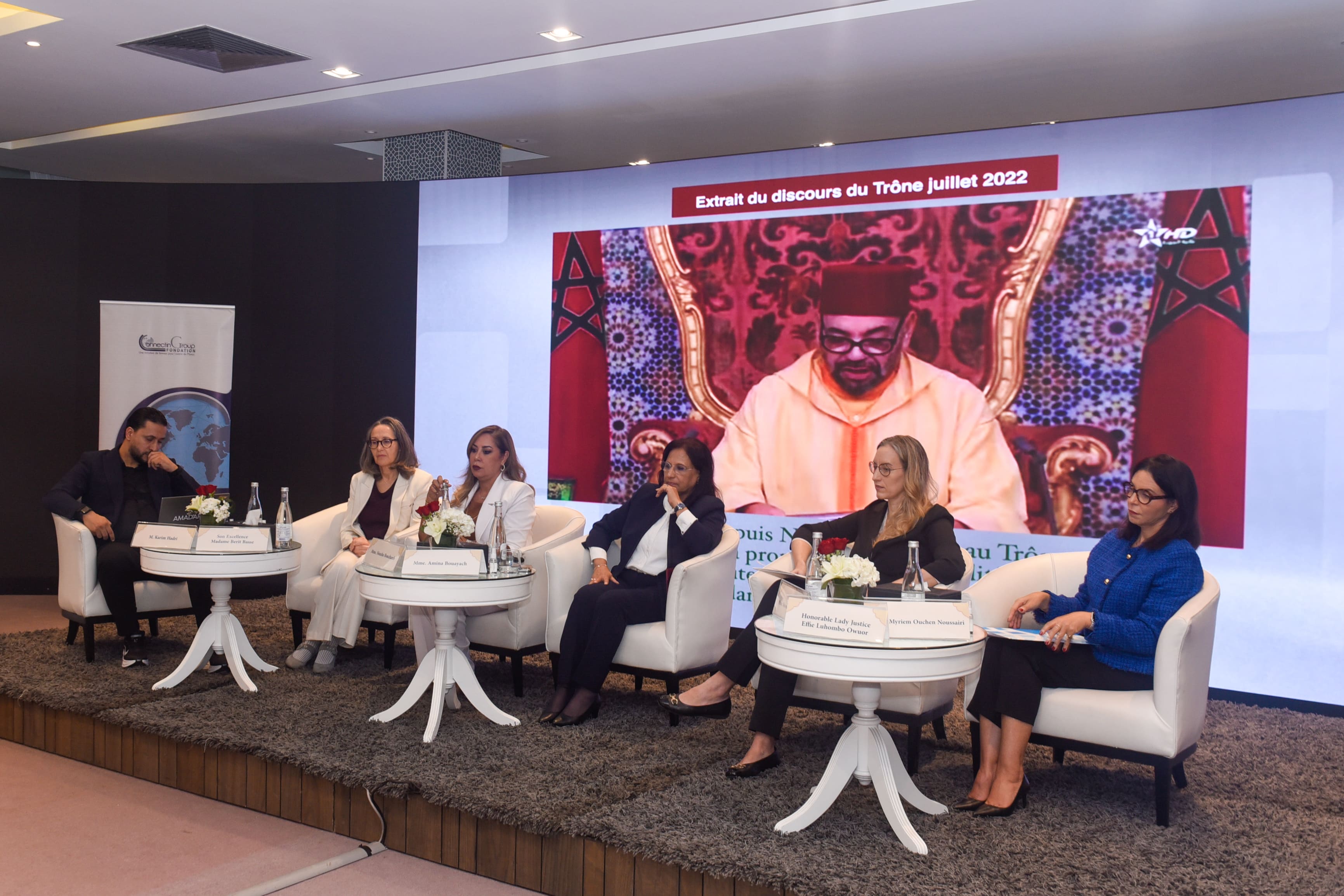
These were among the key messages conveyed by Ms. Bouayach, Chairperson of the National Human Rights Council (CNDH), during a meeting on youth leadership held on 23 October 2026 and organised by Connecting Group International and the Friedrich Naumann Foundation.
In her address, Ms. Bouayach highlighted the need to move beyond a one-way transmission of values and experience from older to younger generations. Instead, she called for a more reciprocal relationship in which knowledge and perspectives flow in both directions, allowing younger generations to contribute to the evolution of society while preserving the values that underpin peaceful coexistence. The challenge lies not in preserving these values unchanged, but in finding meaningful ways to put them into practice amid changing social and cultural realities.
This also means taking a closer look at how young people relate to the values inherited from previous generations. Their attitudes cannot be understood in isolation from the economic and social challenges they face or from their expectations of institutions. When institutions fail to embody the values they uphold, young people may question not the values themselves, but the way they are translated into practice.
Understanding these concerns therefore begins with listening. Young people’s calls for recognition, inclusion and participation reflect a broader demand for institutions that are more responsive to their needs and better equipped to engage with changing social realities. Addressing these expectations requires more than encouraging young people to participate; it calls for a genuine renewal of institutional practices and a willingness to give them a meaningful role in shaping collective decisions.
Ms. Bouayach stressed that youth leadership should not be viewed as a potential that will only be realised in the future. It is already evident in young people’s participation in public life, their role in mediation within their communities, their efforts to prevent tensions, and their capacity to develop new forms of solidarity and collective action.
These contributions demonstrate that young people are not simply beneficiaries of public policy or future leaders in waiting. They are already helping their communities navigate challenges, manage differences and develop responses based on dialogue and cooperation. Recognising this reality means creating opportunities for their initiatives to influence decisions and contribute to lasting social change.
The CNDH Chairperson emphasised that such opportunities must extend to young people from all backgrounds, particularly those who remain distant from centres of influence and decision-making. Investing in youth leadership requires acknowledging the diversity of young people’s experiences and the inequalities that shape their ability to participate. It also means ensuring that they can express their views, turn their aspirations into civic initiatives and work alongside others to develop solutions to shared challenges.
Ms. Bouayach also underlined that sustainable peace and social cohesion depend on the effective enjoyment of rights, a sense of fairness and recognition, and the ability to influence decisions that affect people’s lives. Shared values alone are not enough to sustain cohesive societies; people must also feel that their rights are respected, their voices are heard and their participation matters.
When young people have genuine opportunities to contribute to public affairs, their energy and creativity can help strengthen dialogue, mediation, innovation and solidarity. These are essential resources for upholding the rule of law and enabling societies to manage differences peacefully.
From this perspective, the crisis of trust between young people and institutions is not inevitable. Rebuilding trust requires a renewed relationship grounded in dialogue, mutual recognition and shared responsibility for upholding rights. It also calls for institutions to evolve and for generations to work together, combining accumulated experience with new ideas and aspirations.
The CNDH Chairperson concluded that renewal across generations requires a deliberate commitment to changing mindsets, creating new spaces for expression and creativity, and opening decision-making processes to young people. Their right to participate must extend beyond consultation to include a meaningful role in setting priorities and shaping collective choices.
The task is not to make room for a younger generation by displacing an older one, but to build a stronger partnership between them. By recognising young people as partners in the responsibilities of the present and empowering them to help shape the future, societies can turn renewal across generations into a force for rebuilding trust, strengthening social cohesion and advancing sustainable peace.


Read more