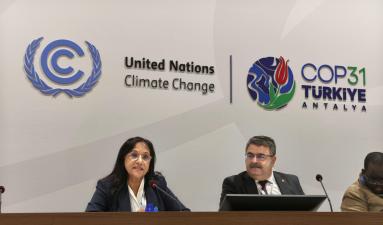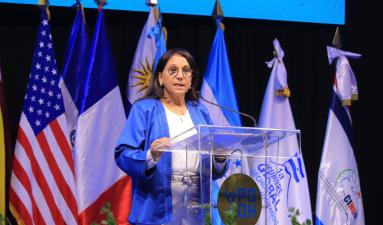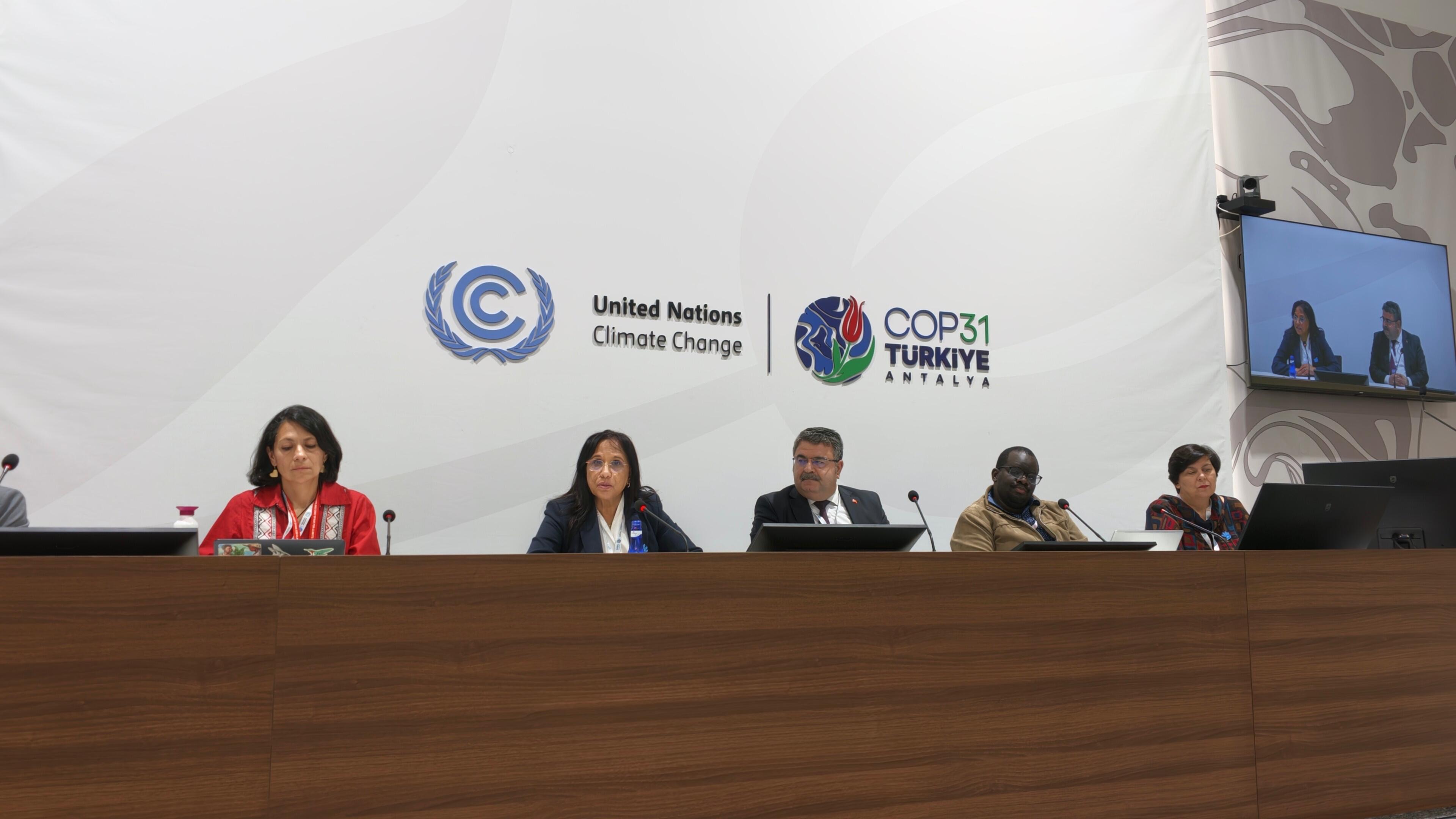
Ms. Amina Bouayach, Chairperson of the National Human Rights Council (CNDH), called on Tuesday, 10 November 2026, for human rights and climate justice to be placed at the heart of international climate policies and commitments. She warned that delays in taking effective climate action come at a human cost, with the most vulnerable and hardest-hit communities.
Speaking at the opening of an international meeting she chaired in Antalya, Türkiye, as part of the UN Climate Change Conference (COP31), Ms. Bouayach stressed that "climate change is fundamentally a human rights issue". Climate action, she noted, is not just an environmental priority but an urgent human rights concern, given its direct impact on a wide range of rights, including the rights to life, water, housing, health, a healthy environment and decent work, as well as rights related to migration and asylum. Women and girls are also disproportionately affected.
She added that climate justice cannot be achieved without placing human rights at the heart of climate policies and strategies. Climate change is not merely an environmental challenge; it is fundamentally a human rights and humanitarian issue, with the most vulnerable bearing the heaviest burden. Addressing these challenges, she highlighted, requires moving beyond commitments and pledges to concrete action that protects rights, strengthens the accountability of governments and businesses, and ensures that affected communities have a say in the decisions shaping their future.
The CNDH Chairperson further emphasized that delays in climate action have direct human consequences, from families losing access to safe water to people being forced to migrate or leave their homes. Those with the fewest resources and the least capacity to adapt, she noted, are often the most exposed to climate risks and their consequences.
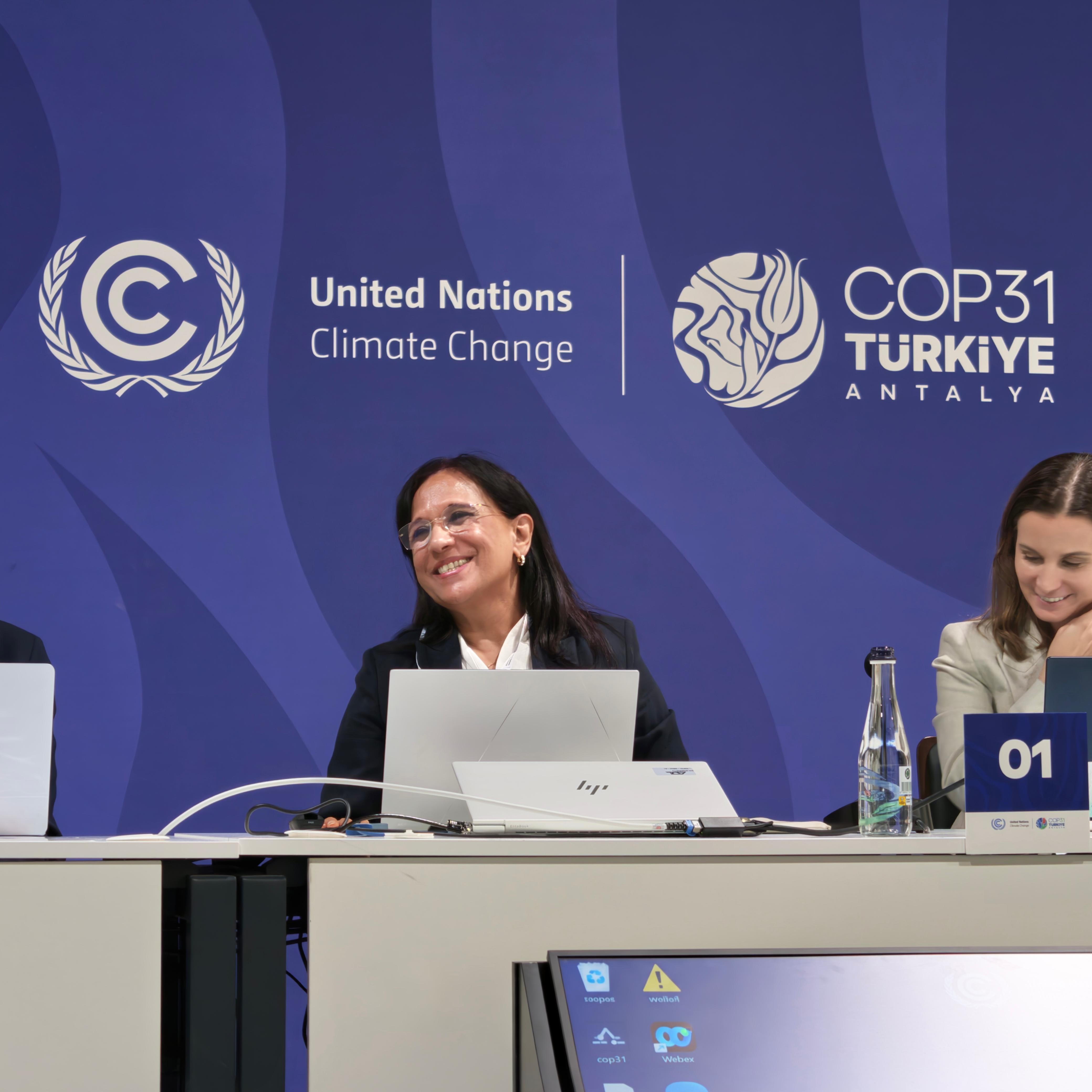
"Advancing human rights-based climate action and climate justice is one of our priorities as national human rights institutions," noted Ms. Bouayach, in her capacity as Chairperson of the Global Alliance of National Human Rights Institutions (GANHRI), which organised the meeting in the Blue Zone at the UN COP31.
The challenge today, she added, is to "move from international commitments and pledges to real action by accelerating emissions reductions and directing adaptation finance towards the communities most at risk".
She also called for the human rights implications of emerging technologies to be taken into account in decisions about their development and use, ensuring that the technological and economic changes associated with the climate transition do not create new risks or forms of discrimination.
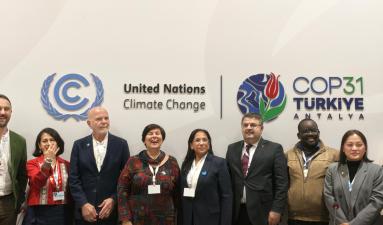
The event brought together heads and representatives of national human rights institutions (NHRIs), UN Special Rapporteurs, including the Special Rapporteur on human rights defenders and the Special Rapporteur on climate change and human rights, as well as international experts and other stakeholders working on human rights and climate justice.


Read more