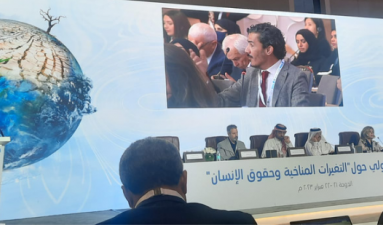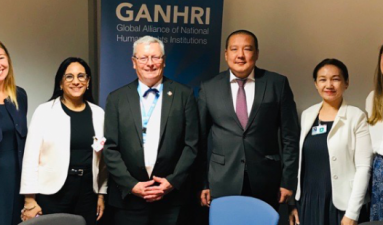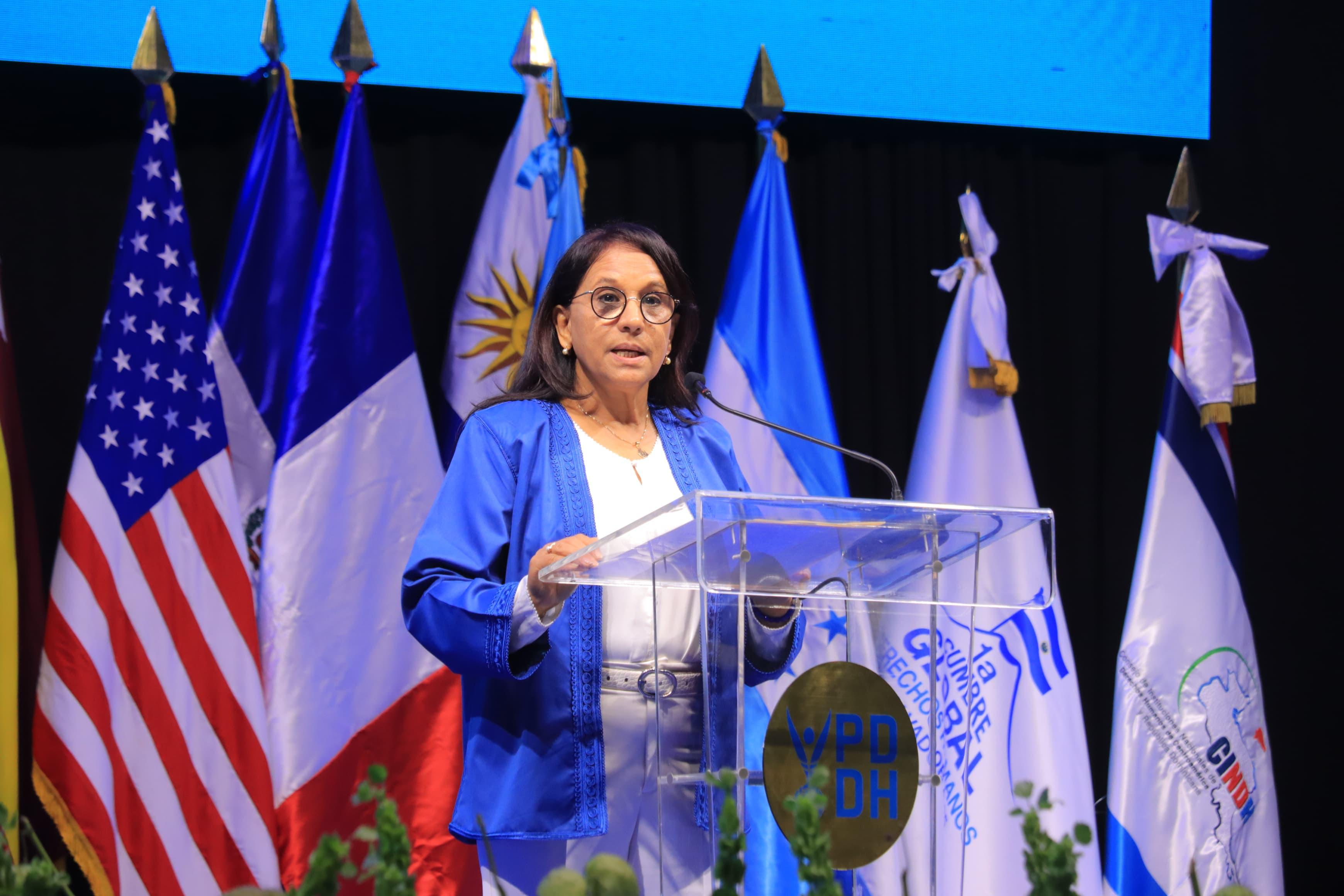
Environmental crises disproportionately impact the Global South, noted Ms. Amina Bouayach in her opening remarks at the opening of a Global Human Rights Summit held in San Salvador on September 2-4, 2025, speaking alongside officials from El Salvador, Latin America, and other regions.
The Chairperson of the National Human Rights Council (CNDH) and of the Global Alliance of National Human Rights Institutions (GANHRI) emphasized that these countries are shouldering the consequences of greenhouse gas emissions and climate change, despite not being directly responsible for them.
She further highlighted that the climate crisis carries profound implications for human rights. Among its most serious consequences are the forced displacement of populations and their exposure to serious social and economic hardships. Such realities, she explained, strengthen the imperative to place social justice at the very heart of international human rights debates on climate change and its various repercussions.
In this context, Ms. Bouayach noted that social justice and the protection of the environment and of human rights are intrinsically linked. Any international dialogue on climate action must recognize global disparities and address the disproportionate effects of climate change on local communities in the Global South.
Concluding her remarks, the GANHRI Chairperson renewed her call for strengthened cooperation between national and international institutions to address the human impact of climate-related disasters, particularly on the most vulnerable populations.
“The climate crisis, at its core,” Bouayach emphasized, “is a human rights crisis, as it poses a profound threat to fundamental rights, particularly for the most vulnerable communities, which are the most exposed to its harsh consequences.”


Read more