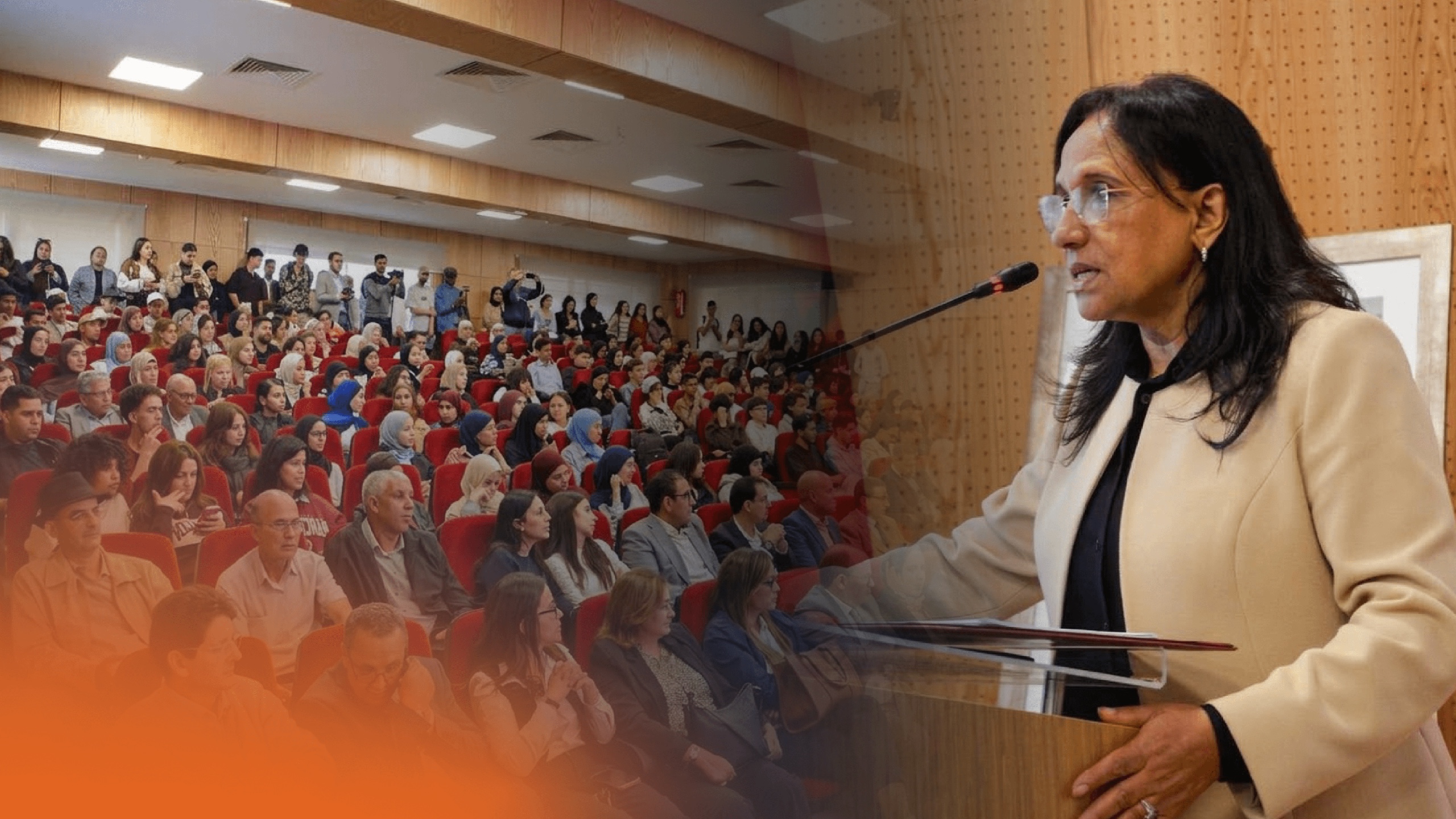
Amina Bouayach, Chairperson of the National Human Rights Council (CNDH), called for education systems to embody human rights principles in their everyday practices, stressing that building a culture of "learning through rights" requires a fundamental shift that goes beyond simply complying with established standards.
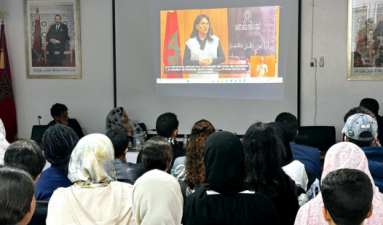
Speaking at the opening lecture at the Faculty of Education Sciences in Rabat on 3 November 2026, Ms. Bouayach noted that this commitment must be reflected in transparent communication that respects learners' autonomy and protects their personal data, as well as in fair assessment systems that give them the opportunity to express themselves and challenge any decision that could affect their educational journey and future.
"The credibility of education depends on whether the human rights values taught in classrooms are reflected in the way educational institutions actually operate, both in person and online." Against the backdrop of rapid digital transformation and the growing use of artificial intelligence, she also questioned whether education and training professionals are equipped to put human rights standards, established since the 1960s, into practice.
The CNDH Chairperson highlighted the need to translate these principles into everyday practice through communication that respects learners' independence and autonomy. She warned of the contradiction in teaching the right to privacy while allowing learners' personal data to be used or exploited without their prior knowledge or a clear explanation.
She also called for fair and transparent assessment methods that allow learners to demonstrate how they arrived at their answers and the effort behind their results, cautioning that unequal access to technology should not result in unequal recognition of learners' achievements.
These safeguards, she added, must be accompanied by the right to have decisions reviewed and challenged. Educational institutions should therefore be required to explain their decisions and provide clear procedures and transparent channels through which learners can seek redress.
Ms. Bouayach's message is part of a broader call to make educational institutions spaces where rights are protected and practices are constantly reviewed. She emphasized that steering digital transformation in a way that expands access to learning while safeguarding learners' dignity is "a shared public and professional responsibility", essential to fostering a human rights culture and enabling younger generations to take an informed and active role in shaping their future.


Read more