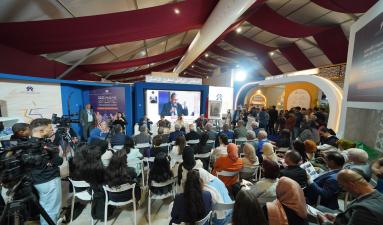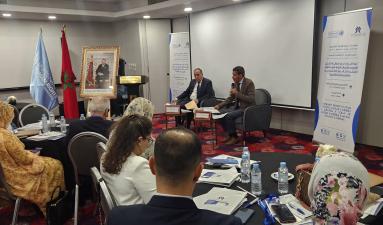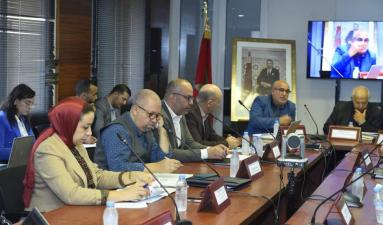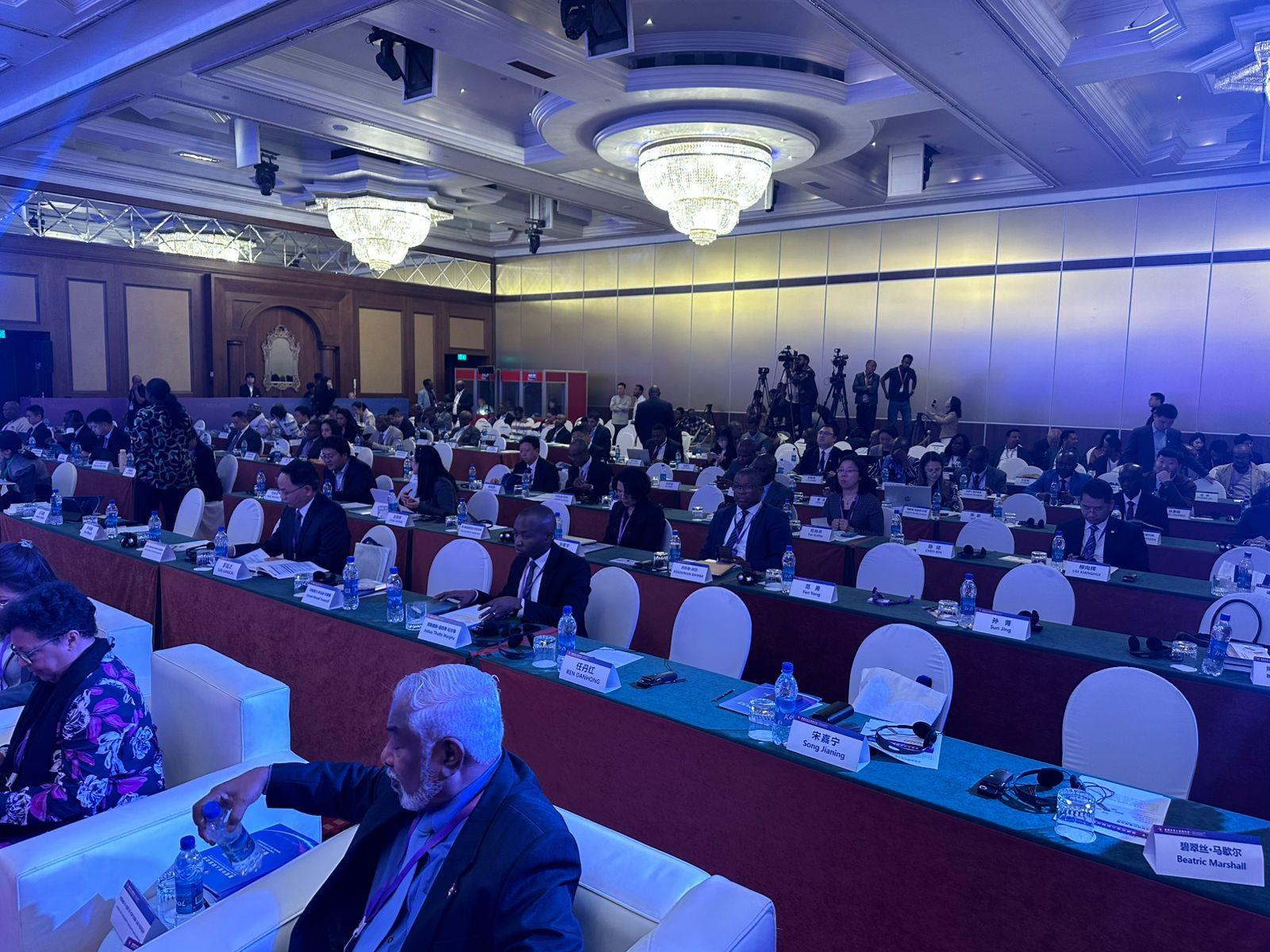
The National Human Rights Council (CNDH) participated in the First China-Africa Human Rights Seminar, held in Addis Ababa, Ethiopia, on August 22, 2025. The event brought together approximately 200 participants from Africa and China, including representatives of national human rights institutions (NHRIs)
During the event, the CNDH, represented by Mr. Abderrafie Hamdi, Director of the Monitoring and Protection Directorate, stressed the need for a cooperation model that balances economic growth with the full and effective respect for fundamental rights and freedoms. He emphasized that the dignity of African citizens must be placed at the heart of all development efforts, highlighting that the right to development cannot be effectively realized without their active participation.
The Council further emphasized that development must be sustainable, inclusive, and equitable to ensure a lasting and meaningful impact. In this context, it highlighted the responsibilities of companies and contractors, stressing their obligation to fully adhere to the UN Guiding Principles on Business and Human Rights. The Council underlined that economic activities should promote the realization of human rights rather than result in their violation.
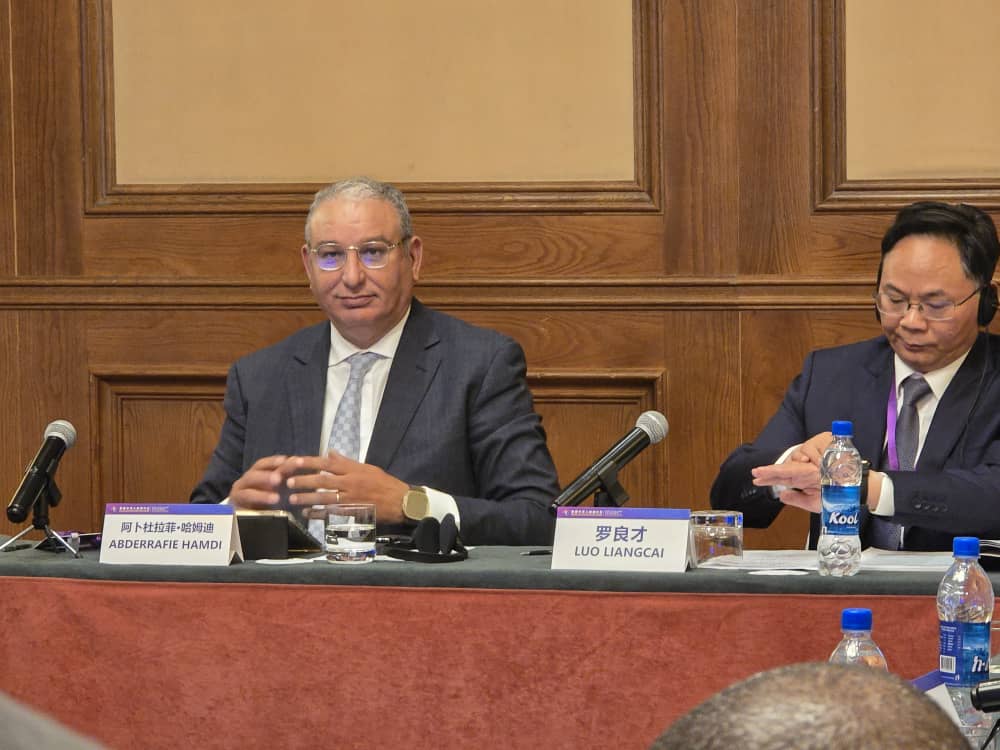
Addressing the China-Africa partnership, Mr. Hamdi explained that CNDH supports cooperation founded on solid principles, including the right to development, social justice, and sustained efforts to reduce poverty.
The CNDH emphasized the pivotal role that national human rights institutions should play, advocating for their systematic inclusion in China-Africa partnerships. It highlighted that these institutions can play a crucial role in assessing the social and environmental impacts of projects, fostering citizen participation, and facilitating dialogue between governments, businesses, and civil society to develop credible and sustainable solutions.
The Council noted that China-Africa cooperation, based on historical solidarity and mutual respect, should be strengthened by aligning it with the universal right to development. This requires investing in education and healthcare, creating decent jobs, encouraging civic participation, and including vulnerable groups.


Read more