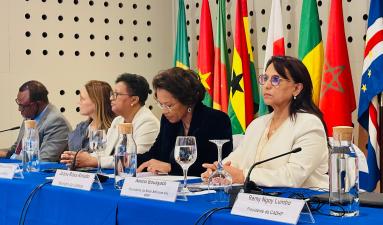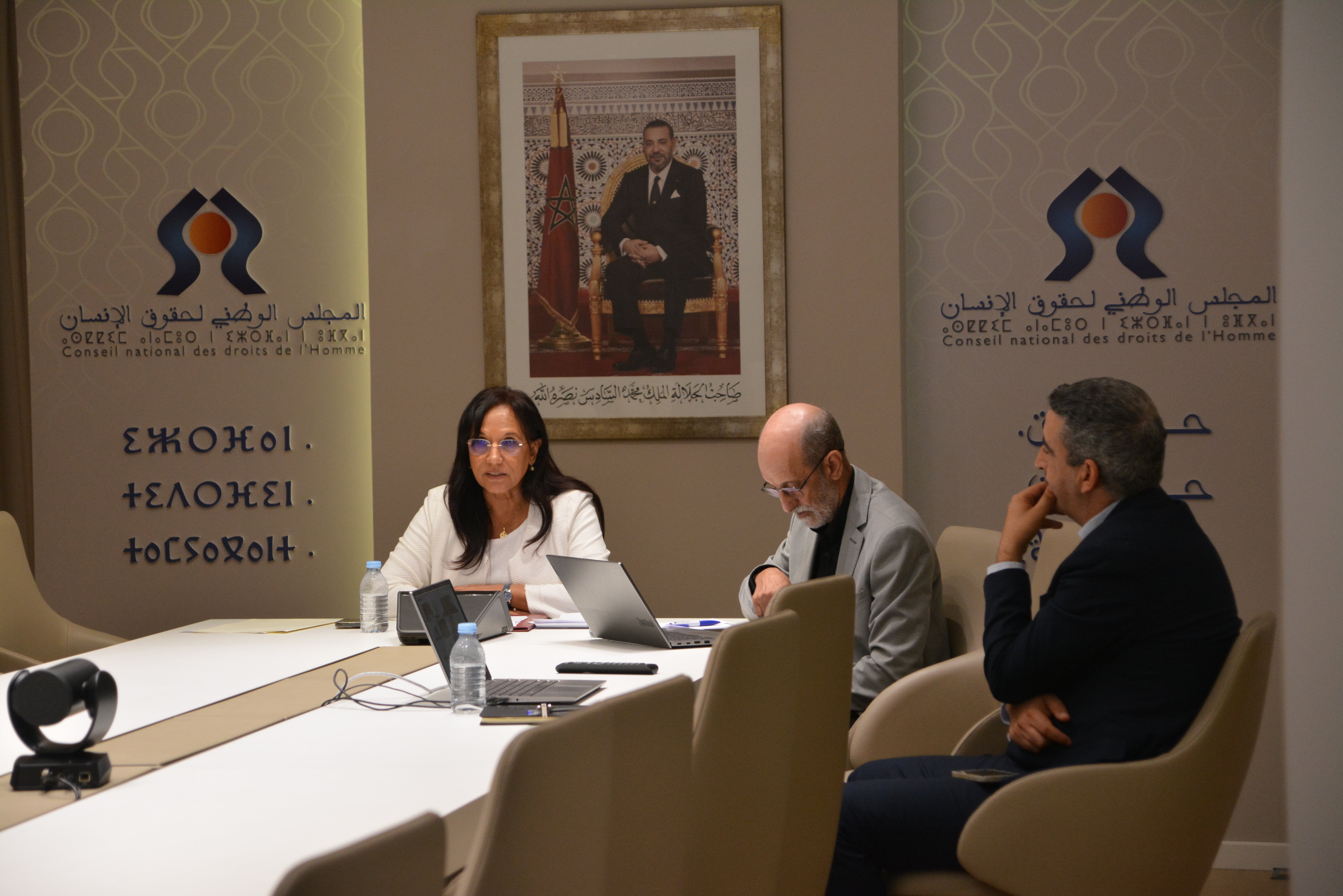
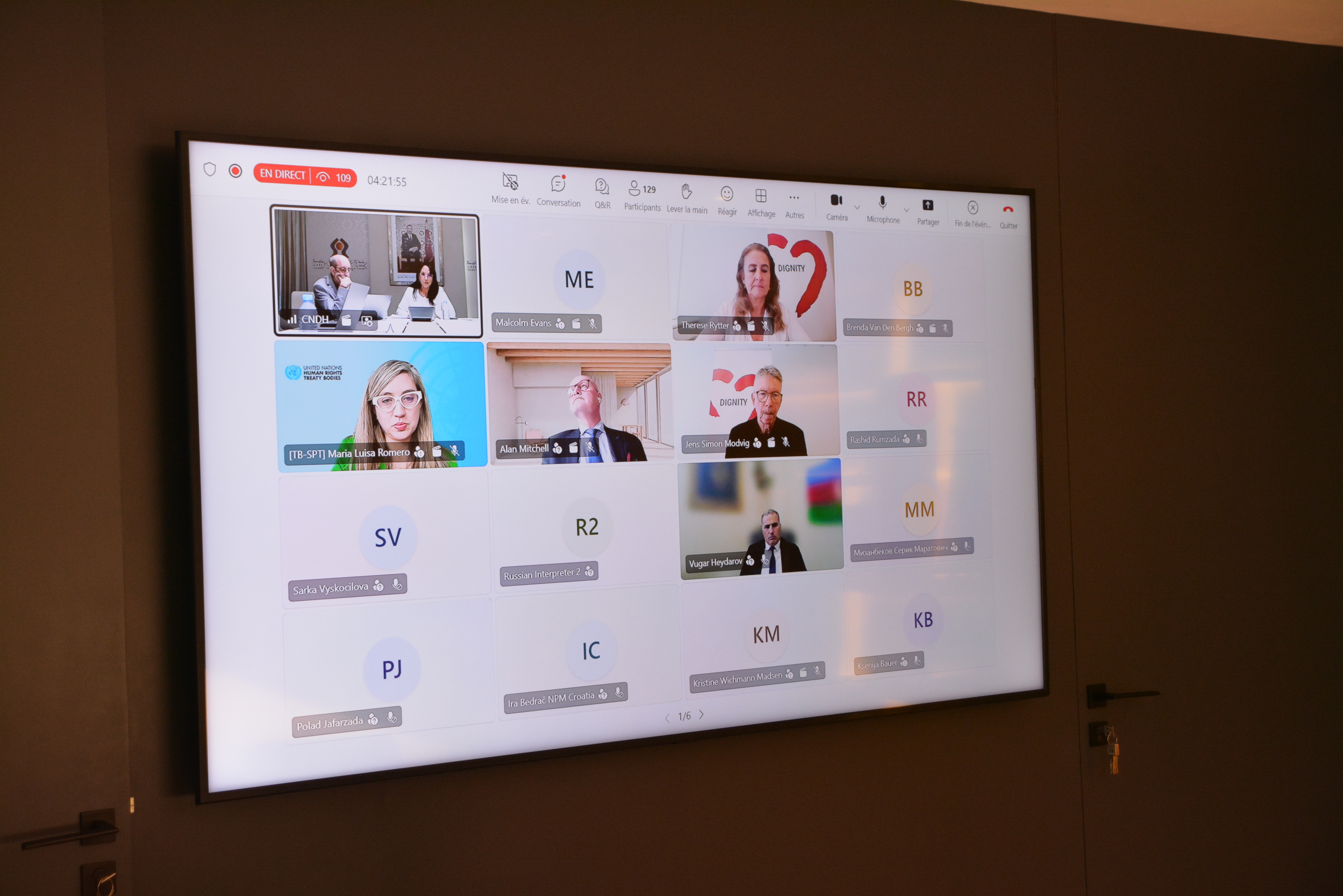
Preventing torture is a shared responsibility, rooted in the protection of human dignity in places where people are deprived of their liberty. This was the central message from Ms. Amina Bouayach, Chairperson of the National Human Rights Council (CNDH), during the main session of an international meeting on “Monitoring Prisons: Methodology, Best Practices and Challenges,” organized by DIGNITY - Danish Institute Against Torture on September 29, 2026.
Ms. Bouayach highlighted four key priorities guiding the work of Morocco’s National Preventive Mechanism against Torture (NPM): following up on and implementing recommendations arising from visits, monitoring and conducting thematic visits, digitizing working mechanisms, and strengthening its working methodology.
She stressed that monitoring should not be limited to identifying shortcomings. It should also be used to understand conditions, support reform, follow changes over time, and measure their impact.
In this context, she reaffirmed the importance of “Torture Prevention by Design,” an approach that seeks to integrate torture-prevention principles and standards proactively from the earliest stages of developing any system or practice. The aim, she explained, is to make prevention part of institutional structures, procedures, and everyday practices, before a potential risk becomes a violation and before addressing it becomes a matter of responding after the fact.
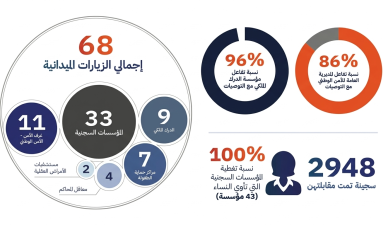
Drawing on Morocco’s experience, the CNDH Chairperson noted that the CNDH/NPM has conducted 223 preventive visits to places of deprivation of liberty across all 12 regions of the Kingdom since its establishment.
These visits, she emphasized, are not an end in themselves. Their recommendations only have real value when they produce tangible results. Ultimately, the effectiveness of prevention should be measured by whether people deprived of their liberty are safer and whether their dignity is protected.
She also highlighted the positive response to the Mechanism's recommendations and the institutional dialogue between preventive bodies and the institutions responsible for protecting rights and human dignity in places of deprivation of liberty. According to her, implementation of the NPM's recommendations ranges from 70% in prisons to between 86 and 96% in places of deprivation of liberty under the responsibility of the National Security Directorate and the Royal Gendarmerie.
It is worth noting that over the period 2023–2024, the NPM/CNDH also conducted a comprehensive national study on the conditions of women detainees in all 43 Moroccan prisons accomodating women. The study was based on 2,500 confidential interviews and produced 4,200 findings, which resulted in specific recommendations addressing gender-related issues in the prison system.


Read more