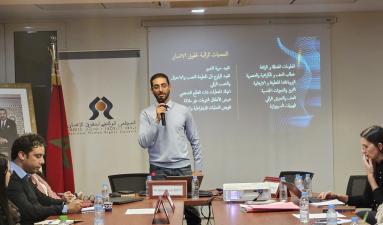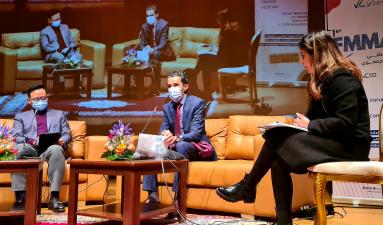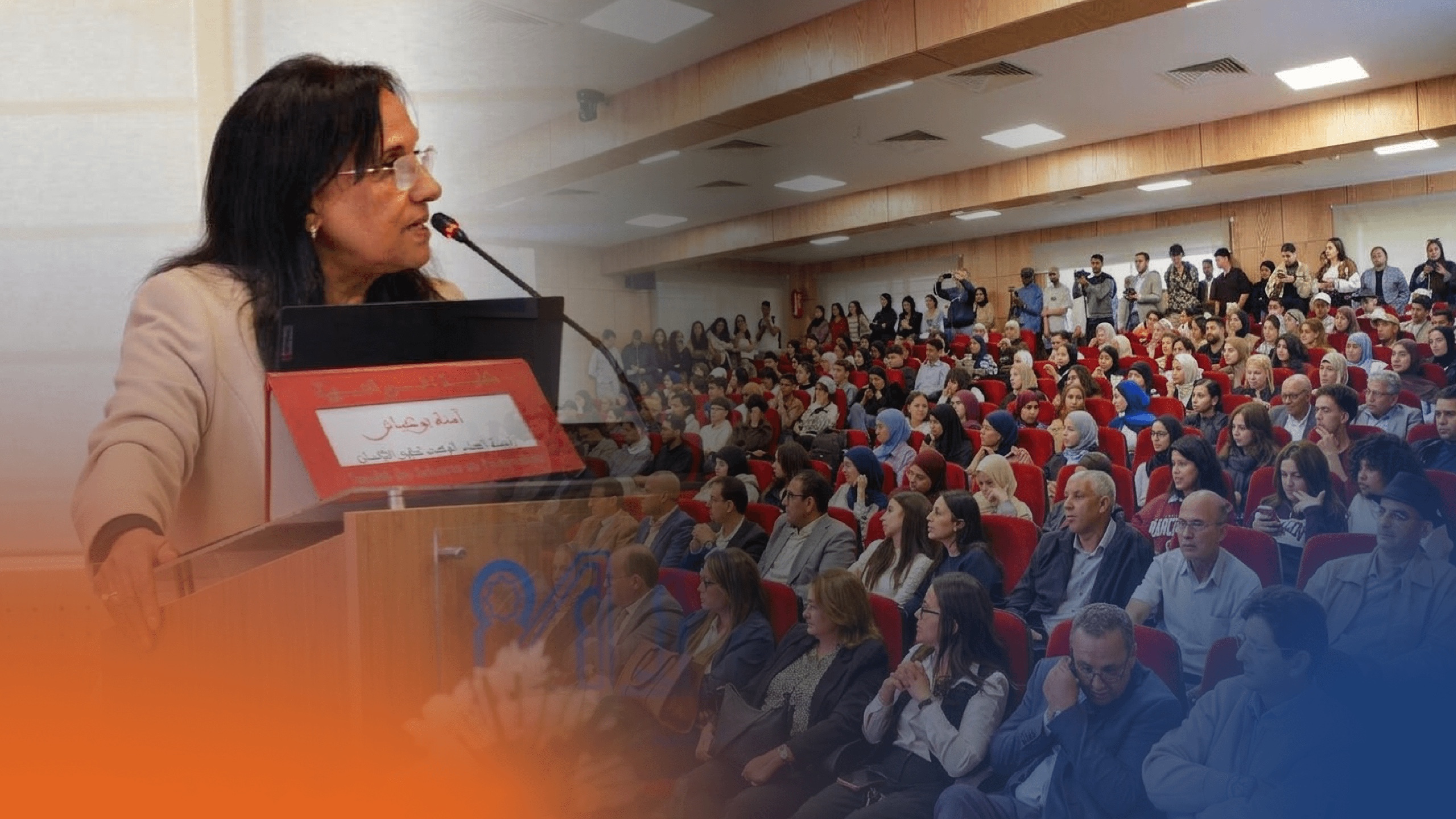
The Faculty of Education Sciences and the National Human Rights Council (CNDH) have launched a partnership to promote human rights education and strengthen the integration of human rights principles into teaching and educational practice. The partnership was launched on Tuesday under the theme "Human Rights Education and Education Professionals: From Formal Commitments to a Rights-Based Transformation of Educational Practice".
Delivering the opening lecture, Ms. Amina Bouayach, the CNDH Chairperson, underlined that the challenge is no longer simply to promote international human rights standards in education, but to ensure that they are reflected in everyday educational practice. This means making dignity, equality, freedom and participation part of daily life in educational institutions, while ensuring that these principles remain relevant in the face of rapid digital change.
Ms. Bouayach recalled the development of international standards governing education and teaching professions, from the 1966 ILO/UNESCO Recommendation concerning the Status of Teachers to UNESCO's 1974 Recommendation on Education for International Understanding, Cooperation and Peace and Education relating to Human Rights and Fundamental Freedoms, revised in 2023 to address emerging challenges, including digital transformation. This evolving framework, she noted, raises a fundamental question: how can human rights standards translate into meaningful changes in the way education is delivered?
She pointed out that the growing use of digital platforms, algorithms and artificial intelligence is changing how knowledge is created and shared, how learners learn, and how people interact within and beyond educational institutions. These changes call for a fresh approach to putting human rights principles into practice. Respect for dignity, for example, means protecting learners from humiliation, exposure and cyberbullying online. Equality requires addressing disparities in access to digital devices, internet connectivity and technological tools, while participation means involving both learners and education professionals in decisions about how these technologies are used and how they affect the learning experience.
Against this backdrop, the CNDH Chairperson called for a shift from learning about human rights to learning through and for human rights, so that the educational process itself reflects the values it seeks to teach. This should be evident in the way learners are treated, how their personal data is handled, how assessment criteria are communicated, and whether they are given the opportunity to explain their work and challenge decisions affecting their educational journey. The credibility of human rights education, she stressed, ultimately depends on the consistency between what learners are taught about their rights and what they actually experience, both in classrooms and in digital environments.
She also emphasized the need for clear safeguards as AI becomes increasingly used in education, particularly in assessment, student guidance, support and decision-making. These safeguards must ensure human oversight, transparent decision-making and the possibility of challenging and reviewing decisions. Learners should know who is responsible for decisions affecting them and understand the reasons behind them, with clear channels available to seek a review. At the same time, teachers' professional autonomy must be protected, and they must be involved in selecting and evaluating digital tools. This also calls for stronger initial and ongoing training for all education professionals.
In closing, Ms. Bouayach stressed that this transformation requires public policies and institutional support that provide the necessary time, resources and guidance, clearly define responsibilities, and establish transparent rules for selecting and using digital tools and assessing their impact. The broader objective, she said, is to ensure that digital transformation expands access to education and strengthens a culture of human rights, turning international commitments into everyday educational practices that genuinely protect and uphold learners' rights.


Read more