The year 2024 was marked by a dynamic and sustained legislative momentum in Morocco, bringing about significant challenges related to strengthening legal guarantees. This stands out as a key takeaway from the overall assessment of the human rights situation, particularly as the year witnessed the launch of several major legislative reforms alongside the maturation of others shaped by years of public debate.
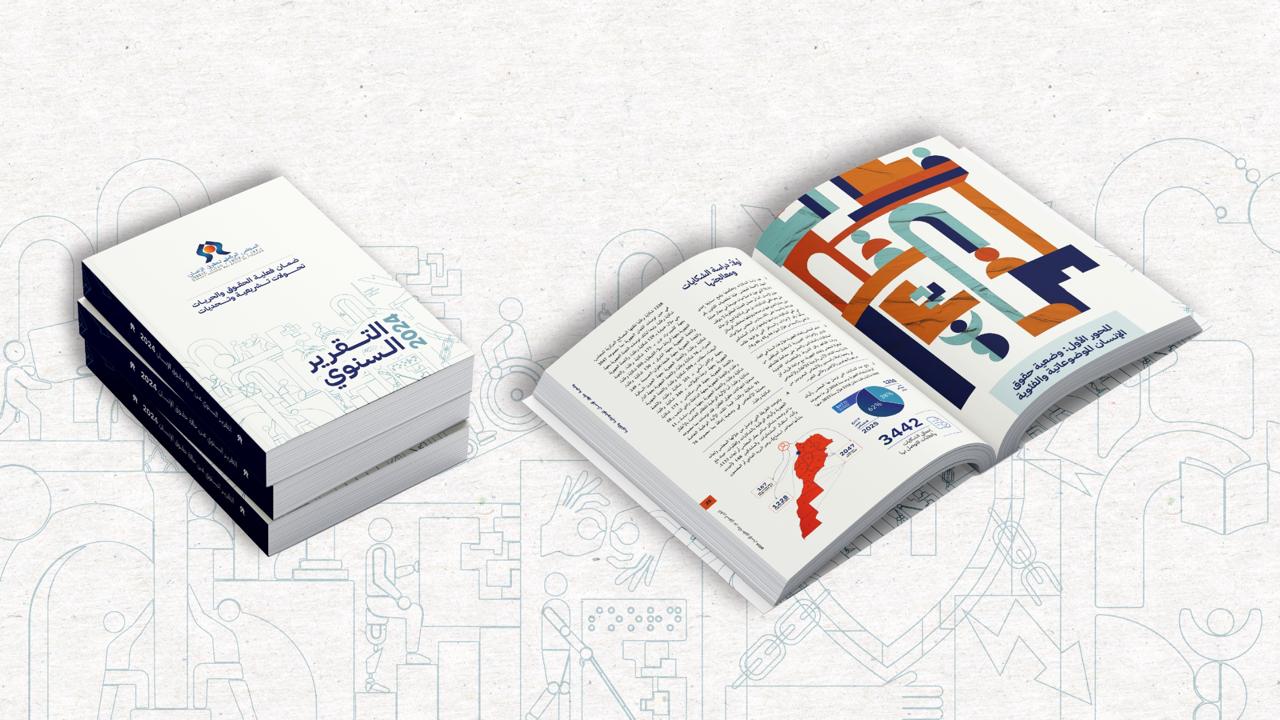
Among the most prominent developments was the reform of the Family Code, which became a central focus of national dialogue throughout the year. According to the National Human Rights Council’s (CNDH) 2024 annual report, the Family Code is a fundamental pillar for the effective integration of women’s and children’s rights into public policies, with the aim of improving the status of women and girls and ensuring stronger protection for children.
In 2024, Morocco witnessed broad societal engagement, reaffirming the country’s established national approach to addressing human rights and freedoms. This approach rests on three key principles: (i) seeking consensus rather than compromise, (ii) developing solutions suited to the national context, and (iii) including and actively engaging all stakeholders, thereby promoting a participatory process across the Kingdom’s 12 regions.
National institutions, political parties, civil society organizations, human rights groups, activists, and citizens took an active role in discussions on the Family Code and potential reforms. While the debate was occasionally affected by misinformation and targeted campaigns, it nonetheless reflected a wide-ranging public dialogue.
According to the CNDH, the memoranda submitted by these stakeholders represented a collective effort to review twenty years of the Family Code’s implementation, identify its gaps, and propose solutions to further strengthen the rights of women and girls, as well as to advance the rights of children and families.
2024 Reforms: Alternative Sentencing, Civil Procedure, and the Right to Strike
In 2024, Morocco also saw the adoption of the Alternative Sentencing Law (July 2024), marking an important step in rethinking the philosophy of punishment within the country’s criminal justice system after years of discussion and debate.
The 2024 Annual Report praised the positive response to several recommendations from the CNDH (May 2022 Memorandum). At the same time, it emphasized that the effectiveness of these “rights-friendly” sanctions depends on proper implementation, sufficient resources, and the necessary conditions for activation, alongside awareness campaigns and capacity-building initiatives. When effectively applied, alternative sanctions can promote justice, enhance opportunities for rehabilitation and reintegration, and contribute to community services that benefit everyone.
The draft Code of Civil Procedure also reached an advanced stage of adoption in 2024. This reform aims to modernize litigation processes, simplify procedures, and improve access to justice, including through expanded use of digital tools for dispute resolution. The 2024 Human Rights Report reaffirmed the 43 recommendations previously issued by the National Human Rights Council (February 2022). These include incorporating a preamble highlighting constitutional and international frameworks and the reformist philosophy, as well as measures to strengthen fair trial guarantees, establishing a parallel legal aid system, safeguarding the rights of children and persons with disabilities, ensuring proportionality in court fines, protecting parties’ privacy, and reinforcing judicial independence.
Finally, 2024 saw the submission of draft Organic Law No. 97.15 on the conditions and procedures for exercising the right to strike to both houses of Parliament. The Council viewed this legislative initiative as a landmark moment, ending a legal gap that had persisted for over six decades. The law aims to establish clear, constitutionally grounded rules for exercising this fundamental right, in line with international human rights standards, while ensuring proper institutional regulation.
To be continued…
Human Rights 2024
Ensuring the Effectiveness of Rights and Freedoms
Legislative Transformations and Challenges


Read more