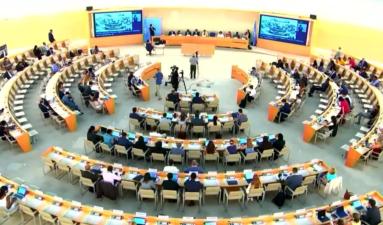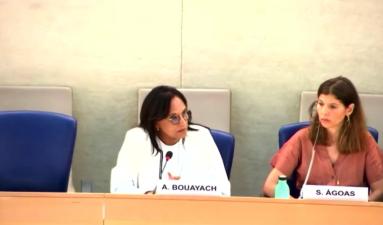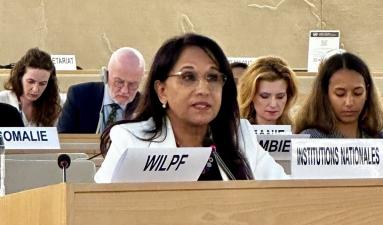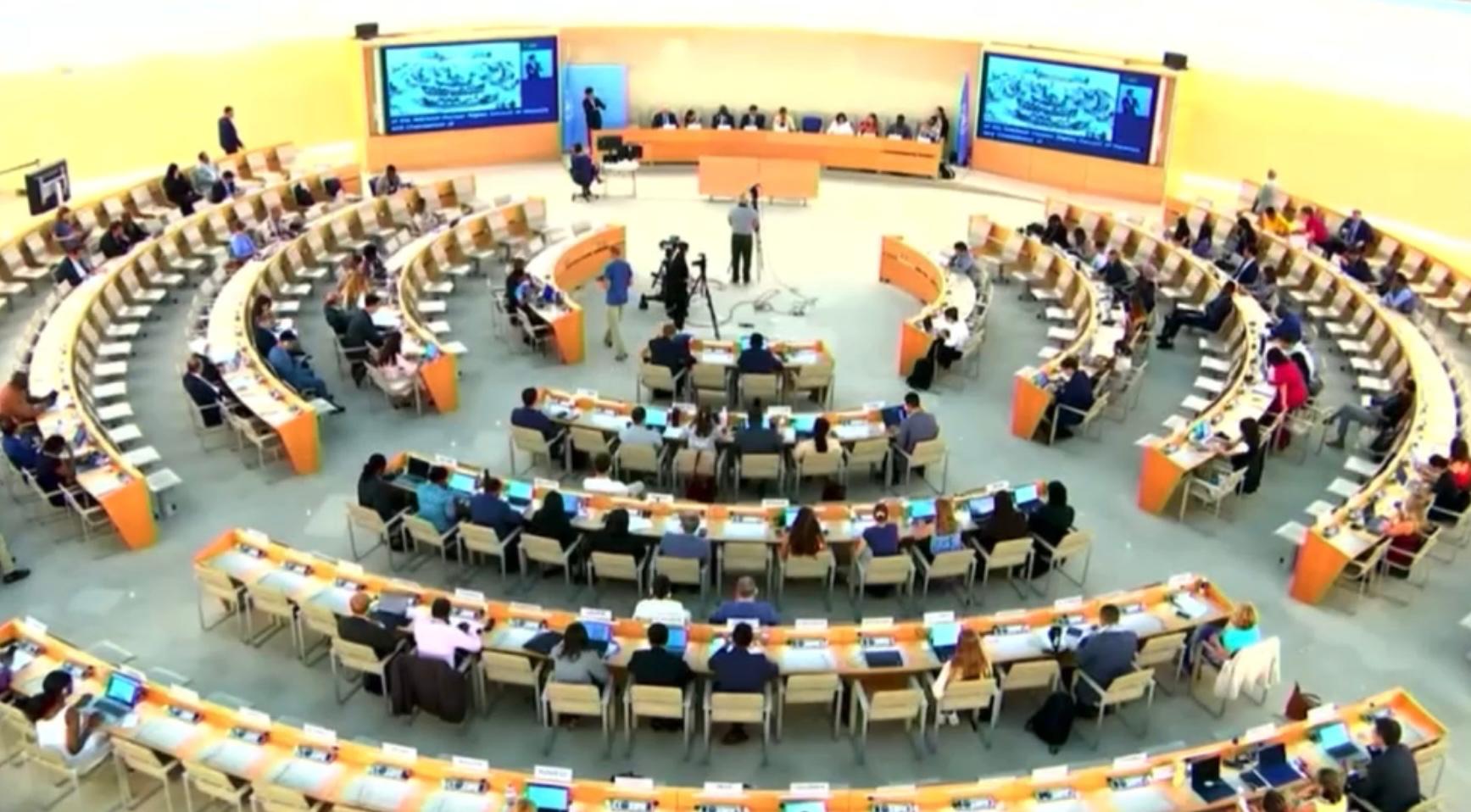
At a panel discussion on financing sustainable development in line with economic, social and cultural rights obligations held within the framework of the 61st session of the Human Rights Council, the National Human Rights Council (CNDH) emphasized the importance of adopting an equitable and inclusive approach to development financing, with particular emphasis on comprehensive tax reform.
The CNDH the social and economic reforms implemented by Morocco in this regard, notably the expansion of social protection programs, alongside the allocation of substantial resources in the 2026 national budget to priority sectors such as health and education. It also pointed to increased funding dedicated to promoting the Amazigh language and culture, as part of broader efforts to strengthen cultural and linguistic diversity.
Despite these advances, the Council stressed that significant challenges remain in achieving the full realization of economic, social, and cultural rights. These include improving the quality of public education, addressing school dropout rates, enhancing access to education for girls in rural areas, ensuring equitable access to quality healthcare, and expanding employment opportunities for young people.
The Council, represented by Ms. Malak Bensghir, Head of the United Nations System Division, emphasized that tax reform remains a key lever for financing sustainable development. While commending ongoing efforts to strengthen the tax system and improve revenue collection, the CNDH called for these reforms to be implemented in an equitable, inclusive, and sustainable manner. It stressed the importance of grounding such efforts in the principles of equity, social solidarity, and territorial cohesion, in order to ensure a more balanced distribution of resources and stronger support for economic, social, and cultural rights.


Read more