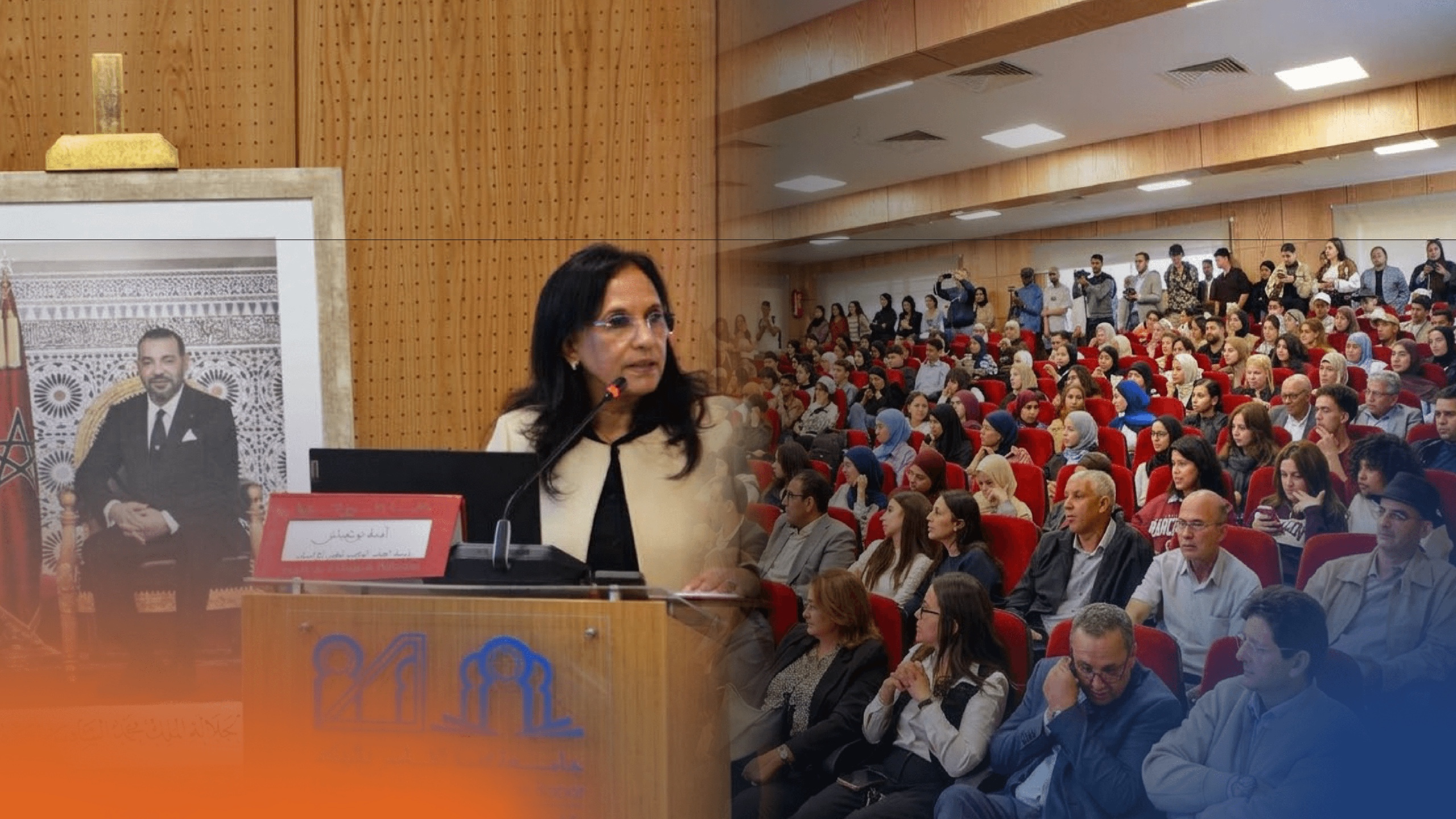
Ms. Amina Bouayach, Chairperson of the National Human Rights Council (CNDH), has called for greater emphasis on critical thinking and intellectual independence in education, as rapid advances in artificial intelligence reshape how knowledge is produced, accessed and shared.
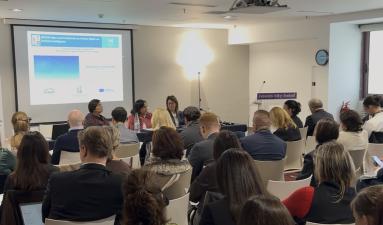
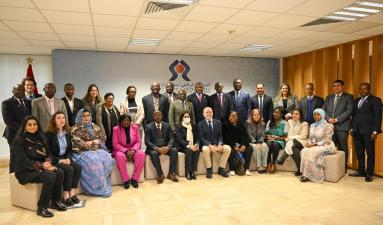
She made the remarks during a meeting marking the launch of a partnership between the Faculty of Education Sciences and the CNDH, held under the theme "Human Rights Education and Education Professionals: From Formal Commitments to a Rights-Based Transformation of Educational Practice".
Ms. Bouayach noted that AI tools can now generate explanations and texts, analyse problems and suggest solutions in seconds. But the ability to produce a convincing answer does not necessarily mean that the answer is correct, just as having a solution does not mean understanding the problem. This, she stressed, calls for a rethink of education's role: beyond helping learners access information, education must equip them to understand it, verify its accuracy, question the assumptions and evidence behind it, and consider its limitations and alternatives.
She explained that intellectual independence does not mean avoiding digital tools, but knowing how to use them without giving up one's ability to think, judge and make independent decisions. This requires learners to develop the ability to ask questions, verify and compare information, explain their reasoning and reconsider their views when new evidence emerges. Such skills are particularly important in a digital environment where algorithms influence what information people see and what remains hidden, making critical thinking essential to forming independent opinions and participating meaningfully in society.
The CNDH Chairperson also highlighted the need to adapt teaching and assessment methods to these changes. Rather than focusing solely on final answers, assessments should take into account how learners reach their conclusions and the effort behind them. This could include comparing AI-generated responses with reliable sources, identifying errors and generalisations, exploring different solutions to the same problem, and asking learners to explain and defend their choices.
She further underlined the importance of updating both initial and ongoing training for education professionals, combining human rights knowledge with pedagogical skills and a critical understanding of technology. This also means rethinking the role of teachers: not simply as providers of information, but as guides who help learners build knowledge, ask questions, verify information and develop their own reasoning, while preserving their intellectual independence.
In closing, Ms. Bouayach stressed that the real challenge for education in the age of AI is to prepare learners who can question ideas and decisions, understand their implications and think independently, rather than simply receive information. This requires ensuring that digital transformation expands access to learning, promotes a culture of human rights and keeps technology at the service of learners and their rights, while preserving the human dimension of education.


Read more