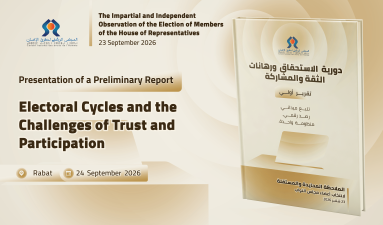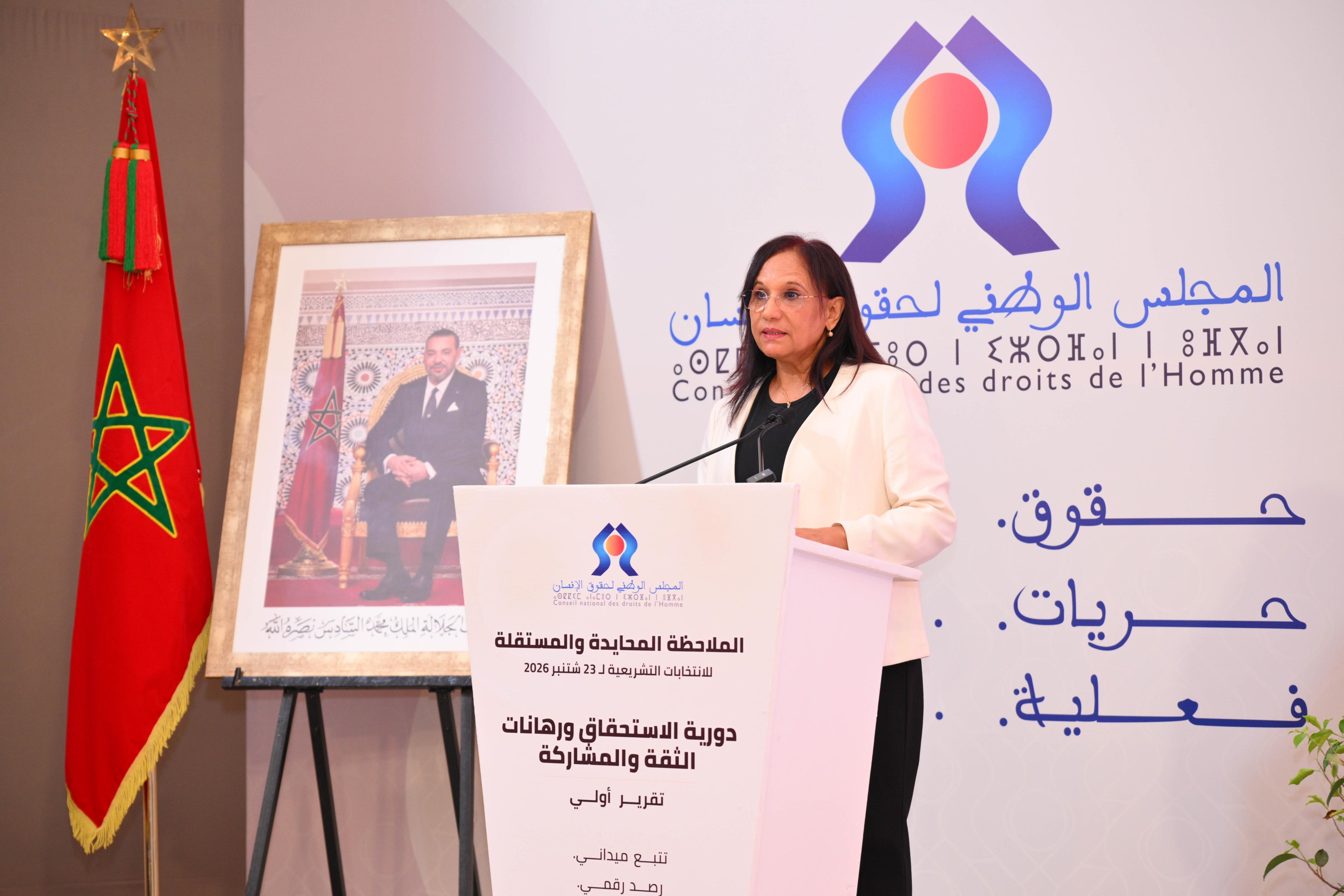
The National Human Rights Council (CNDH) presented, on Thursday, September 24, its preliminary findings and conclusions on its observation of Morocco’s 2026 legislative elections. The presentation followed the completion of its observation mission and the announcement of the preliminary election results.
Presenting the report, titled “Electoral Cycles and the Challenges of Trust and Participation,” CNDH Chairperson Ms. Amina Bouayach said that voting day took place in a “generally normal atmosphere,” with some instances of discussion and disagreement that did not affect the overall conduct of the electoral process.
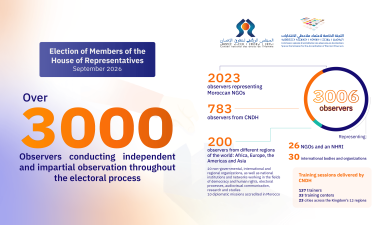
This conclusion was based on information collected by the Council’s observers, who were deployed across 3,915 polling stations, as well as by international observers present at 1,644 polling stations.
Bouayach noted one exception: two incidents at two polling stations at Al Quds School in Tangier, which were also observed by both CNDH and international observers and which raised concerns about the integrity of the voting process at those stations.
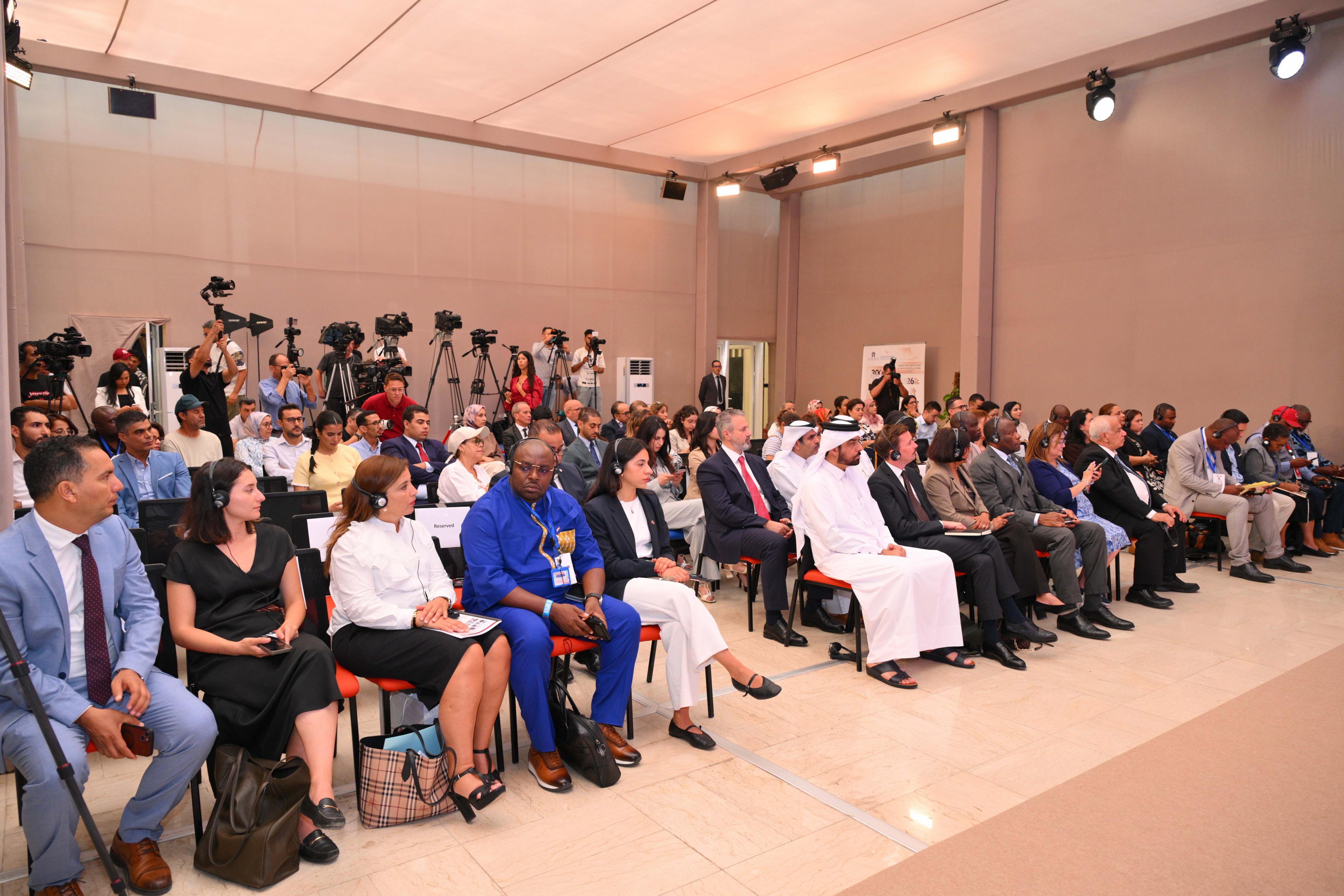
In this regard, Ms. Bouayach noted that the CNDH had heard from the heads and members of both polling stations and would refer a report on the incidents to the Public Prosecutor’s Office.
She added that an investigation had been opened into the two incidents, stressing the importance of informing the public of the outcome of the investigations and any measures taken, while respecting legal safeguards and the rights of all parties.
"Opening an investigation is an important first step, but its value is ultimately strengthened when the public is able to know how the investigation concluded and how the incidents were addressed, including the measures taken to safeguard the integrity of the vote."
It is worth noting that the CNDH’s observation covered more than 8.9% of the legislative elections, exceeding the international benchmark of 3–5%. On voting day, the Council’s observers were deployed across 733 municipalities out of 1,538, covering 82 prefectures and provinces.


Read more