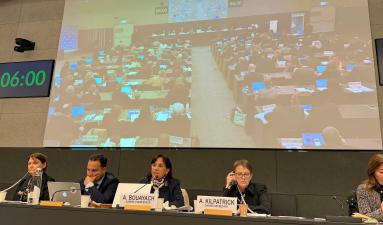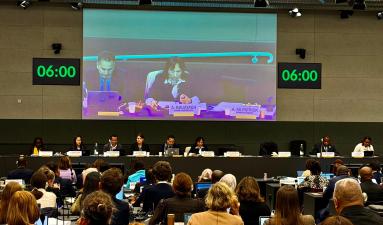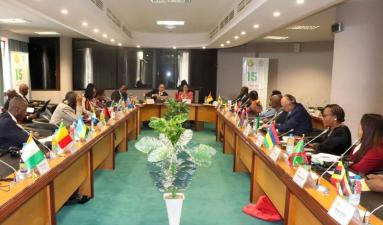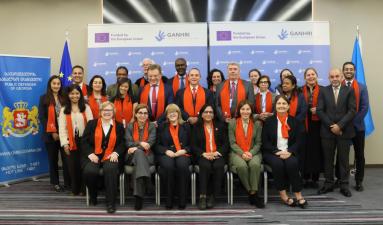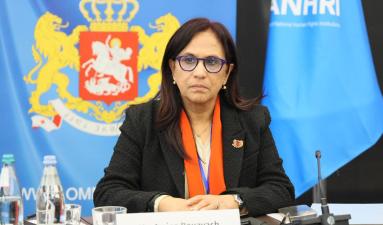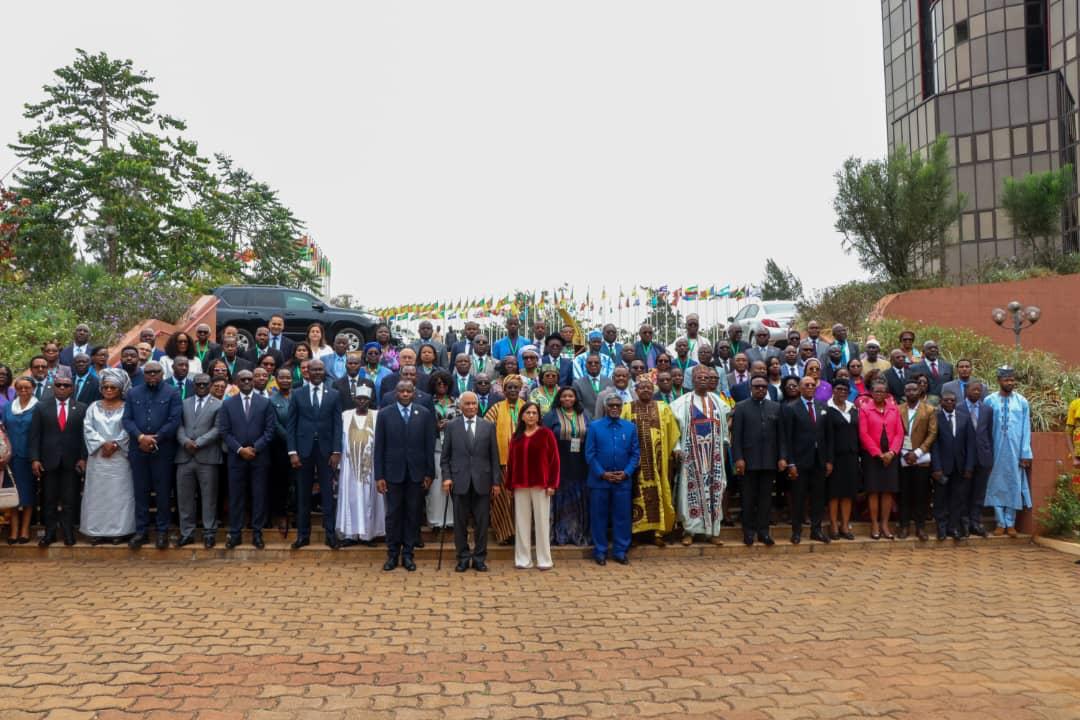
“Africa is facing growing challenges that threaten the effectiveness of rights and freedoms, which calls for reinforcing the human rights protection system and consolidating the rule of law as a cornerstone of stability, governance, and development across the continent.” This came in the opening remarks of Ms. Amina Bouayach, Chairperson of the Global Alliance of National Human Rights Institutions (GANHRI) at the 15th Biennial Conference of the Network of African National Human Rights Institutions (NANHRI) held in Yaoundé, Cameroon.
During the event, which brought together experts and representatives of the international system, the African Union, and various African and international human rights organizations and bodies, the Chairperson of the National Human Rights Council (CNDH) reiterated that both the African and international landscapes are witnessing a decline in multistakeholder engagement in human rights work, alongside a rise in political, security, economic, and environmental crises.
Ms. Bouayach stressed the need to rethink approaches to strengthening the effective protection of human rights, assessing states’ compliance with their human rights obligations, and providing both individuals and institutions with mechanisms to defend rights and freedoms across the continent.
She further underlined that the African and international systems are not in competition, but rather operate in a complementary relationship. International agreements provide a normative framework, while regional mechanisms play a fundamental role in interpreting these standards and adapting them to local contexts.
Addressing the challenges facing the international human rights protection system, she highlighted a range of constraints hindering the effectiveness of rights and freedoms in Africa. Among them are the insufficient use of legal mechanisms, limited institutional resources, the persistent gap between international commitments and national legislation, and the limited access to justice for broad segments of the population.
She also highlighted the impact of security, climate, and health crises, noting that such pressures weaken states’ ability to meet their human rights obligations.
Ms. Bouayach underscored that acknowledging implementation challenges reflects both awareness and ambition. Recognizing these gaps, she noted, is an essential step toward bridging the divide between legal texts and lived realities. “Through such efforts, Africa can consolidate the rule of law whenever injustice or violations arise and reinforce public trust in justice and institutions.”
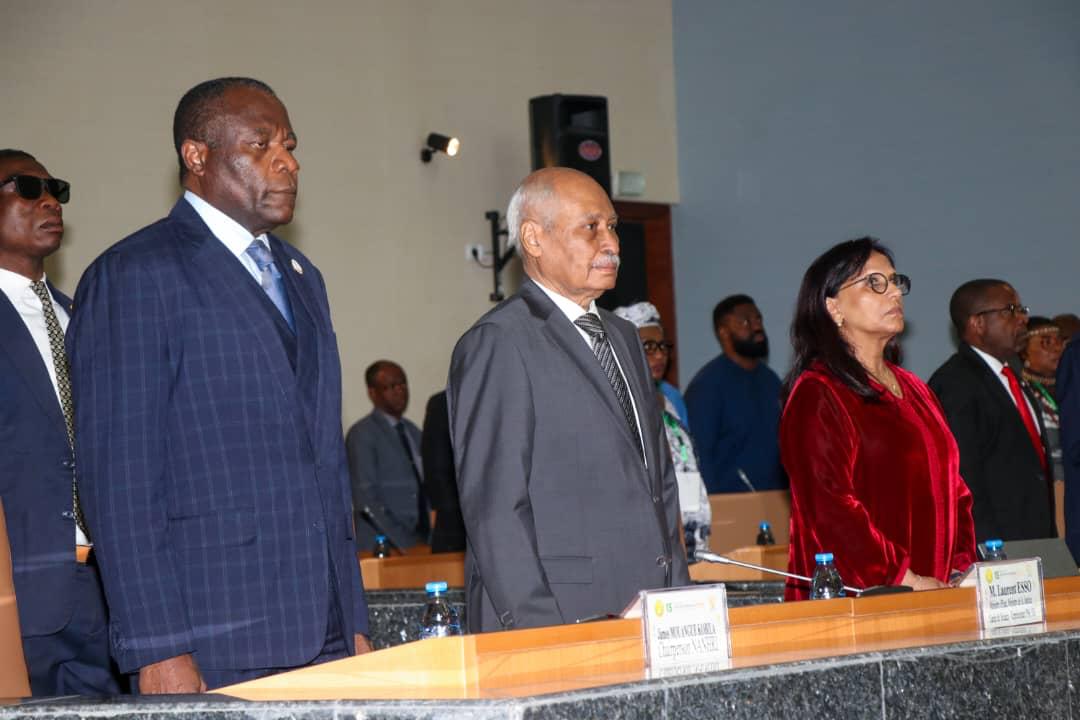
“I firmly believe that we have the necessary resources to build an Africa grounded in the rule of law,” affirmed Amina Bouayach, the first African Chairperson of GANHRI.
She added that the continent has legal instruments, jurisprudence, and practices that enrich the universal human rights framework. The challenge, however, lies in establishing structures, mechanisms, and procedures that clearly enshrine human rights as the foundations of resilience, stability, and social cohesion.
The Chairperson of GANHRI and of the CNDH emphasized the pivotal role of National Human Rights Institutions (NHRIs) in protecting rights and freedoms. This includes monitoring public policies and assessing their impact, documenting violations, and promoting a culture of human rights within societies. “However, despite expanded mandates, NHRIs continue to face limited authority, fragile independence, and insufficient financial resources, undermining their effectiveness,” she noted.
She therefore called for strengthening legal and institutional safeguards to guarantee the independence of NHRIs and to enable them to fully carry out their mandates in line with the Paris Principles.
Concluding her remarks, Ms. Bouayach highlighted that a major challenge facing several African countries lies in translating international and regional commitments into concrete legislation and public policies grounded in human rights. Making dignity, justice, and equality the core pillars of governance, she affirmed, is essential to achieving a shared ambition: consolidating the rule of law in Africa and ensuring the effective realization and full respect of rights and freedoms for all.


Read more