“We will not be able to achieve the SDGs, nor will we effectively address environmental and climate challenges, if human rights continue to be sidelined in development strategies and policies.”
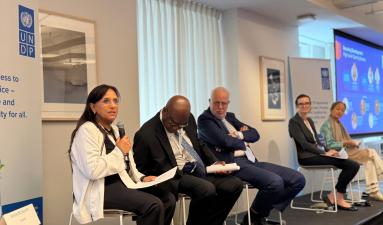
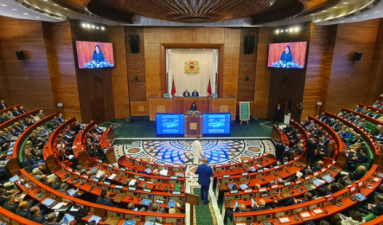
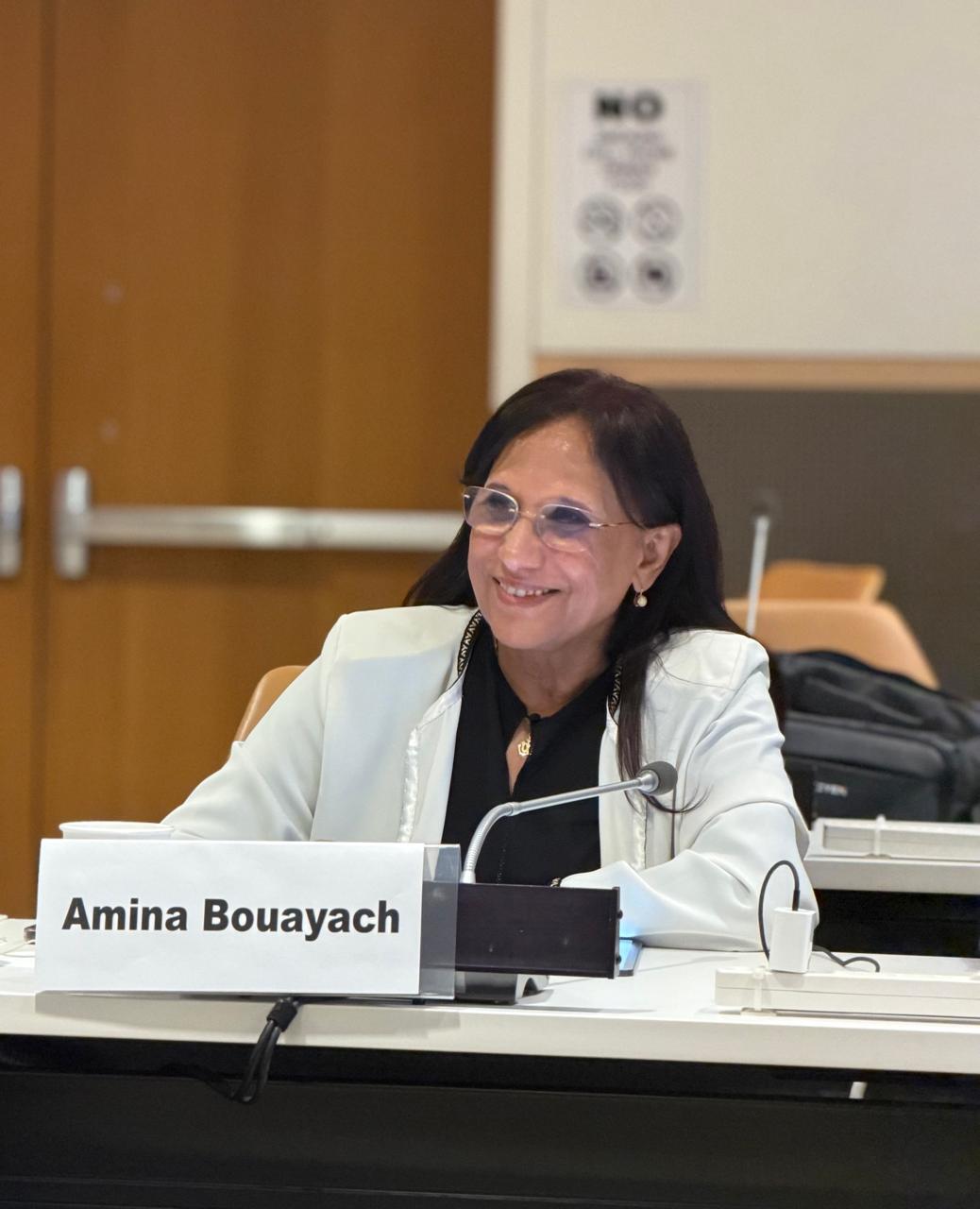
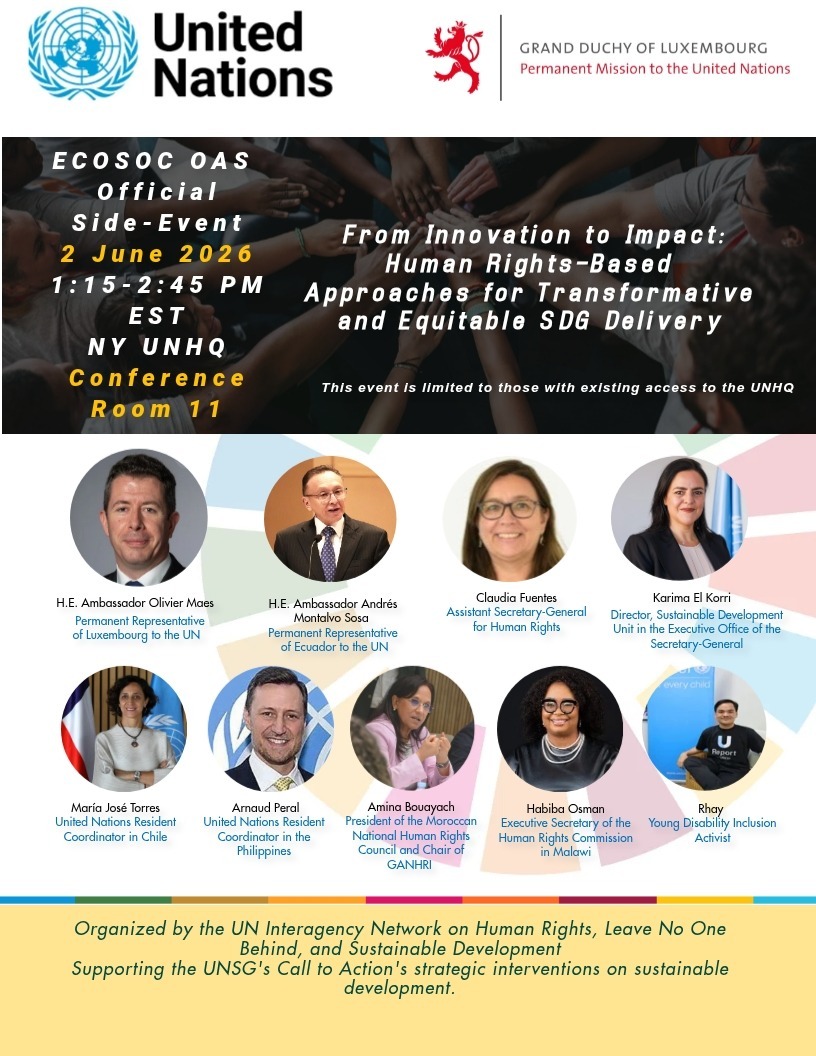
With these words, Ms. Amina Bouayach, Chairperson of the National Human Rights Council (CNDH) and of the Global Alliance of National Human Rights Institutions (GANHRI), opened her address at the United Nations Headquarters in New York during an official meeting of the United Nations Economic and Social Council (ECOSOC) held on Tuesday, 2 June 2026. The event was organized under the theme: “From Innovation to Impact: Human Rights-Based Approaches for Transformative and Equitable SDG Delivery.”
She reiterated her call to place human rights at the heart of development and environmental policies, stressing that the SDGs cannot be achieved through approaches that separate development from human rights, climate action, and environmental protection.
She emphasized that human rights, environmental justice, and sustainable development are deeply interconnected priorities that cannot be addressed in isolation. In a world undergoing profound digital and technological transformation, she argued, the central challenge is our ability to make innovation a genuine tool for advancing human rights, protecting the most vulnerable groups, reducing inequality and discrimination, and strengthening justice, including environmental and climate justice.
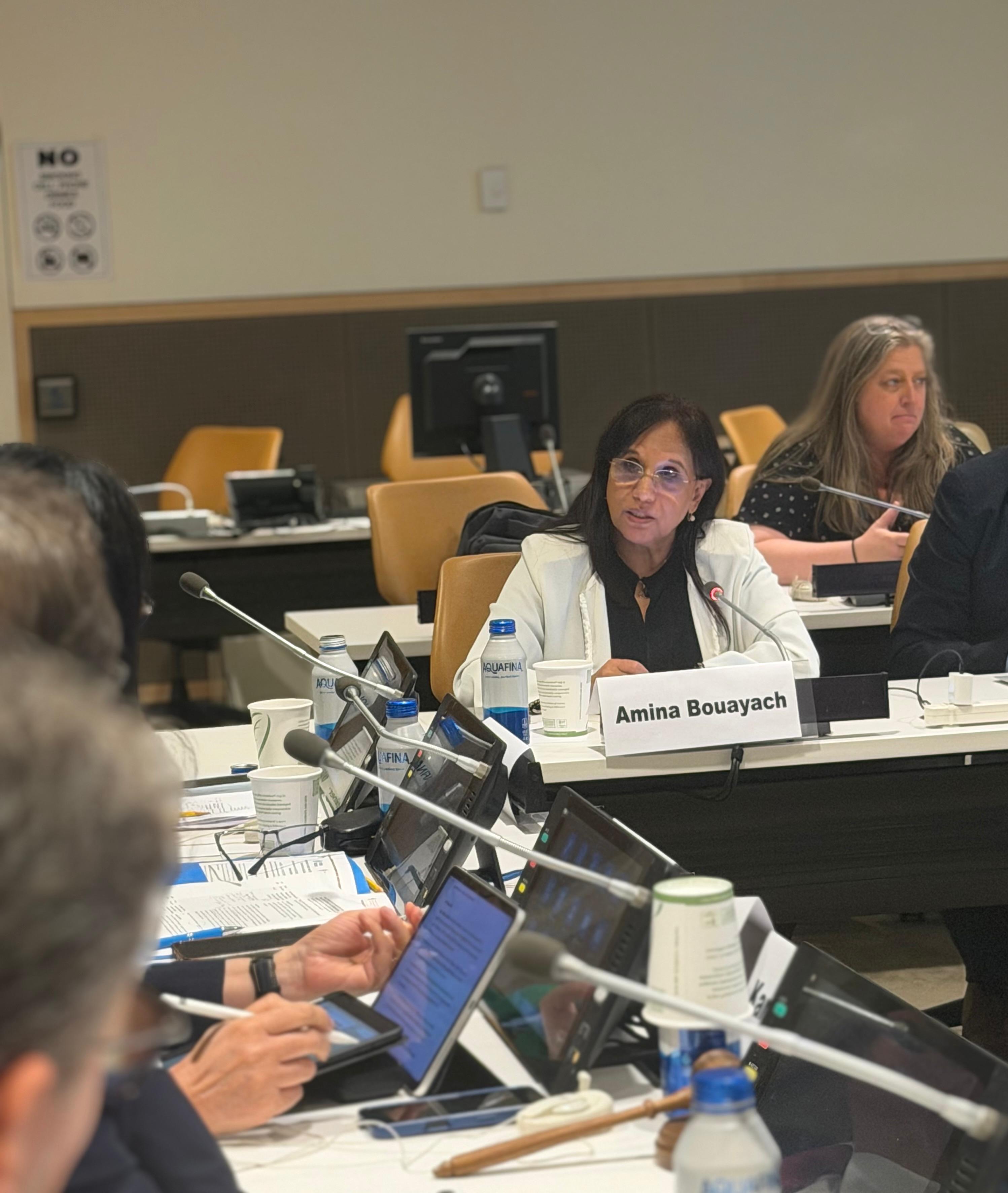
The CNDH Chairperson delivered her remarks during a meeting coordinated by the UN Interagency Network on Human Rights, LNOB, and Sustainable Development. The event formed part of broader efforts to support the implementation of the strategic actions outlined in the UN Secretary-General’s Call to Action for Sustainable Development and took place on the sidelines of the high-level opening session of the UNDP’s annual conference.
Addressing discussions on the role of National Human Rights Institutions (NHRIs) in the digital and technological sphere, the GANHRI Chairperson underscored a vision in which genuine innovation is measured not only by technological advancement but also by its capacity to improve people’s lives and promote equality, justice, and human rights.
She noted that NHRIs engagement with environmental and climate issues has grown steadily through years of fieldwork and international advocacy. This experience has reinforced a fundamental conviction: sustainable development cannot be achieved without respect for human rights. Today’s environmental and climate challenges, she said, highlight the need for more inclusive public policies that place people and human dignity at the center of development processes.
Reflecting on the progress made since the adoption of the 2030 Agenda, Ms. Bouayach explained that NHRIs have expanded their mandates beyond the protection of fundamental rights and freedoms to include environmental and climate concerns. This evolution has required the development of new expertise, innovative tools, and stronger cooperation among stakeholders at both national and international levels. She also stressed that protecting environmental defenders is an essential component of advancing environmental justice and ensuring meaningful community participation in decision-making.
In a message directed to international policymakers and those involved in the governance of digital spaces and artificial intelligence, Ms. Bouayach called for a broader understanding of innovation. Innovation, she argued, extends beyond technology and digital solutions to include new forms of governance, more effective mechanisms for citizen participation, and improved methods for monitoring public policies and evaluating their impact on rights and freedoms.
She outlined two key challenges facing the international community today: ensuring that the benefits and opportunities created by innovation are shared equitably, and ensuring that innovation actively contributes to the promotion of human rights rather than reinforcing inequalities or deepening vulnerabilities.
She welcomed the growing international recognition that human rights, environmental protection, sustainable development, and innovation are intrinsically linked. Responding to increasingly complex global challenges, she argued, requires stronger partnerships, greater exchange of expertise, and collective solutions that transcend national borders.
From New York, the hub of major United Nations decisions on development and security, Bouayach continues to lead the advocacy efforts of NHRIs in promoting an approach that places human rights at the center of multilateral action and sustainable development.
Concluding her remarks, she stressed that the success of development policies should not be measured solely by technological progress, but by their ability to effectively protect human rights, reduce inequalities, and strengthen environmental and social justice.“There can be no sustainable development, no environmental justice, and no ethical and responsible innovation without the effective realization of human rights.”


Read more