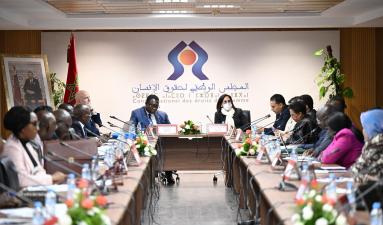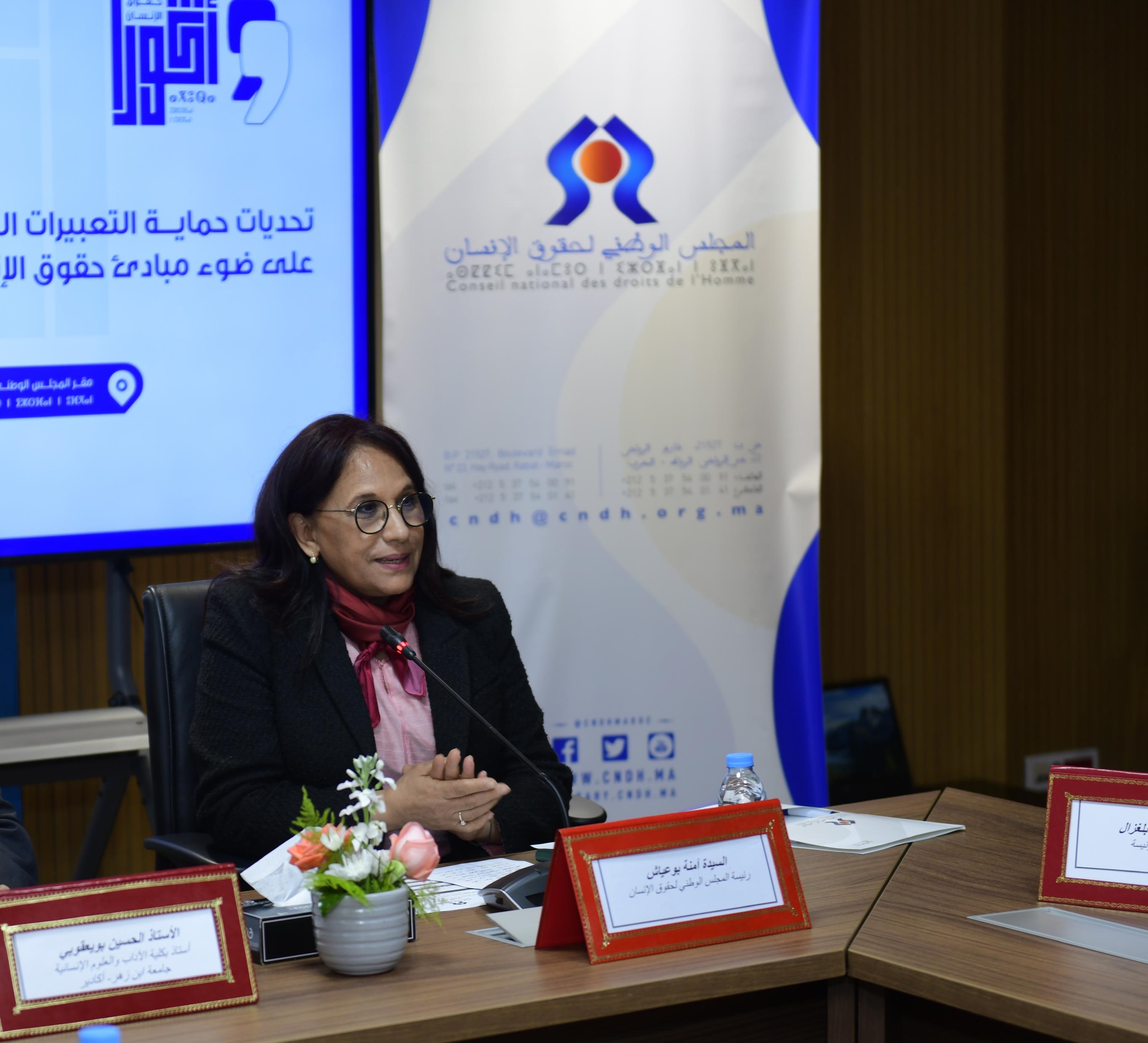
Ms. Amina Bouayach, Chairperson of the National Human Rights Council (CNDH), emphasized during the opening of the fifth session of the Human Rights Agora in Rabat that protecting cultural expressions in Morocco is a priority. This is not a luxury or a secondary issue, she said, but “a fundamental pillar for ensuring the economic, social, and cultural rights of citizens.”
Speaking during a panel discussion organized and hosted by the Council, Ms. Bouayach stressed that Morocco, with its rich historical heritage drawing on Amazigh, Arab, Hassani Saharan, African, Andalusian, and Mediterranean influences, needs more than ever a clear strategy to protect and promote its cultural diversity. She underlined that cultural expressions can serve as a key driver of sustainable development, calling for their integration into the economic cycle, particularly through the promotion of cultural industries, the strengthening of scientific research in this field, and the use of technology and artificial intelligence.
She added that Morocco is preparing to host major international events over the coming decade, which represents an opportunity to significantly expand the scale and revenue of its cultural industries. The success of this effort, she stressed, requires a human rights-based approach that ensures territorial equity and access to shared cultural heritage.
Ms. Bouayach also highlighted the challenges facing this heritage, including destruction and neglect that threaten rock art and engravings found across various regions of Morocco, from the east of the country to the south, including the Atlas Mountains.
In light of these challenges, she renewed the CNDH's call for the establishment of a comprehensive national strategy for heritage protection, based on strengthening scientific research and laying the foundations of a national and territorial cultural industry.
She further noted that developing cultural industries and mobilizing the necessary financial resources from both the public and private sectors, along with leveraging artificial intelligence and technological progress to increase the added value of the cultural sector, must be accompanied by a growing commitment to linking cultural industry strategies primarily to a system of values and human rights.
The CNDH Chairperson also called for the strengthening of the protection of cultural expressions as a collective responsibility requiring the combined efforts of all stakeholders to preserve and enhance this cultural heritage.


Read more