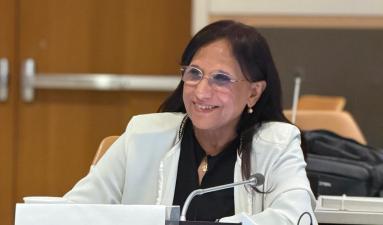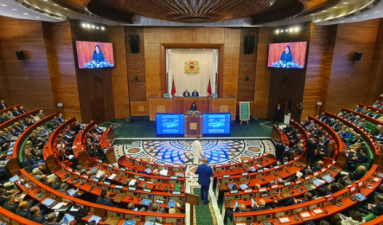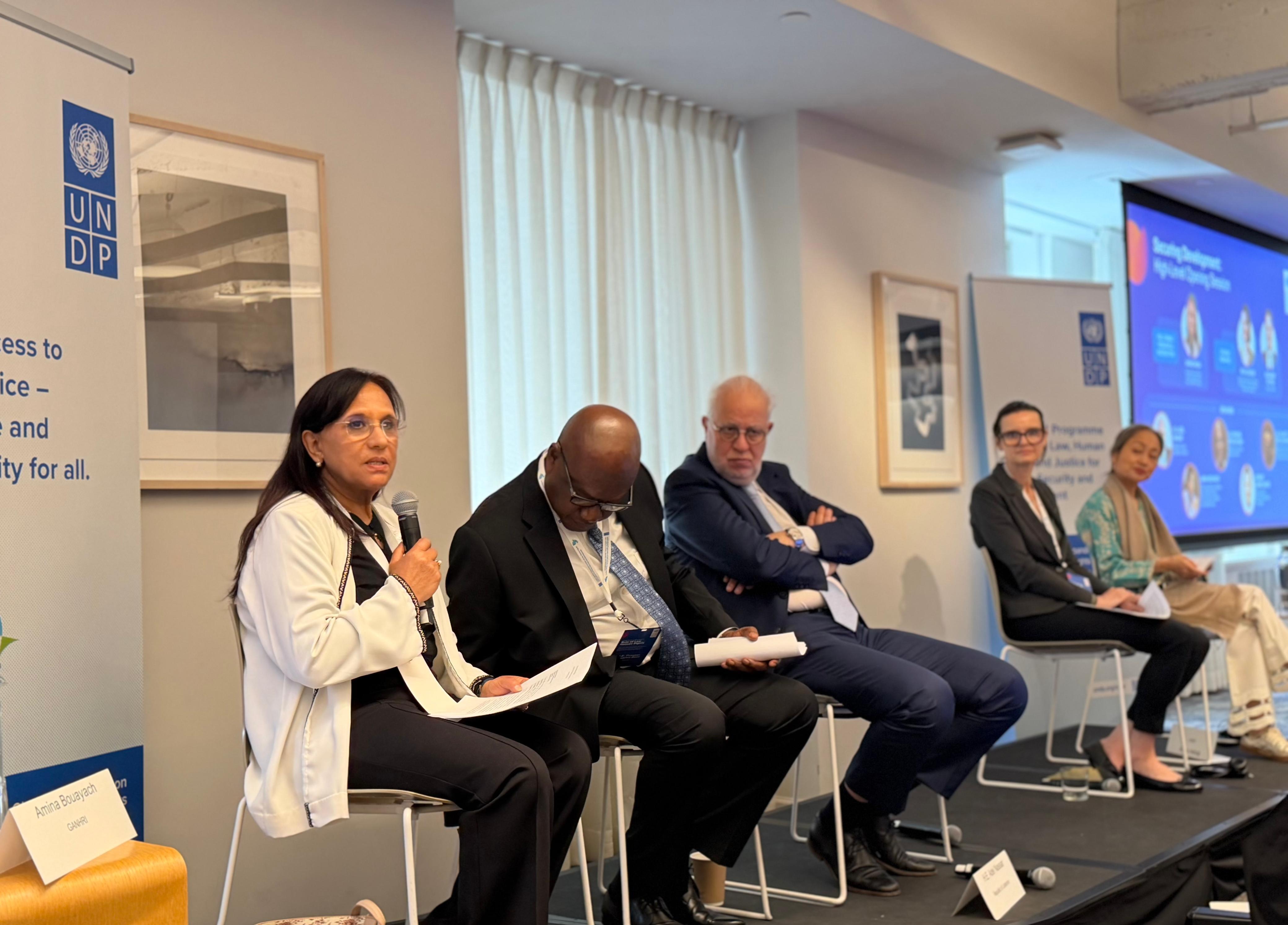
At a time when crises are multiplying and divisions are deepening across the globe, Ms. Amina Bouayach, Chairperson of the National Human Rights Council (CNDH) and of the Global Alliance of National Human Rights Institutions (GANHRI), delivered a powerful appeal to the international community during the 2026 UNDP Annual Meeting.
Speaking at the high-level opening session of the three-day conference in New York, Ms. Bouayach warned that the world is facing a challenge that runs deeper than security, economic, or climate crises: a profound crisis of trust. “This crisis is increasingly undermining the relationship between citizens and institutions at national, regional, and international levels, particularly at a time when funding for human rights and development is under pressure and multilateral cooperation is weakening,” she emphasized.
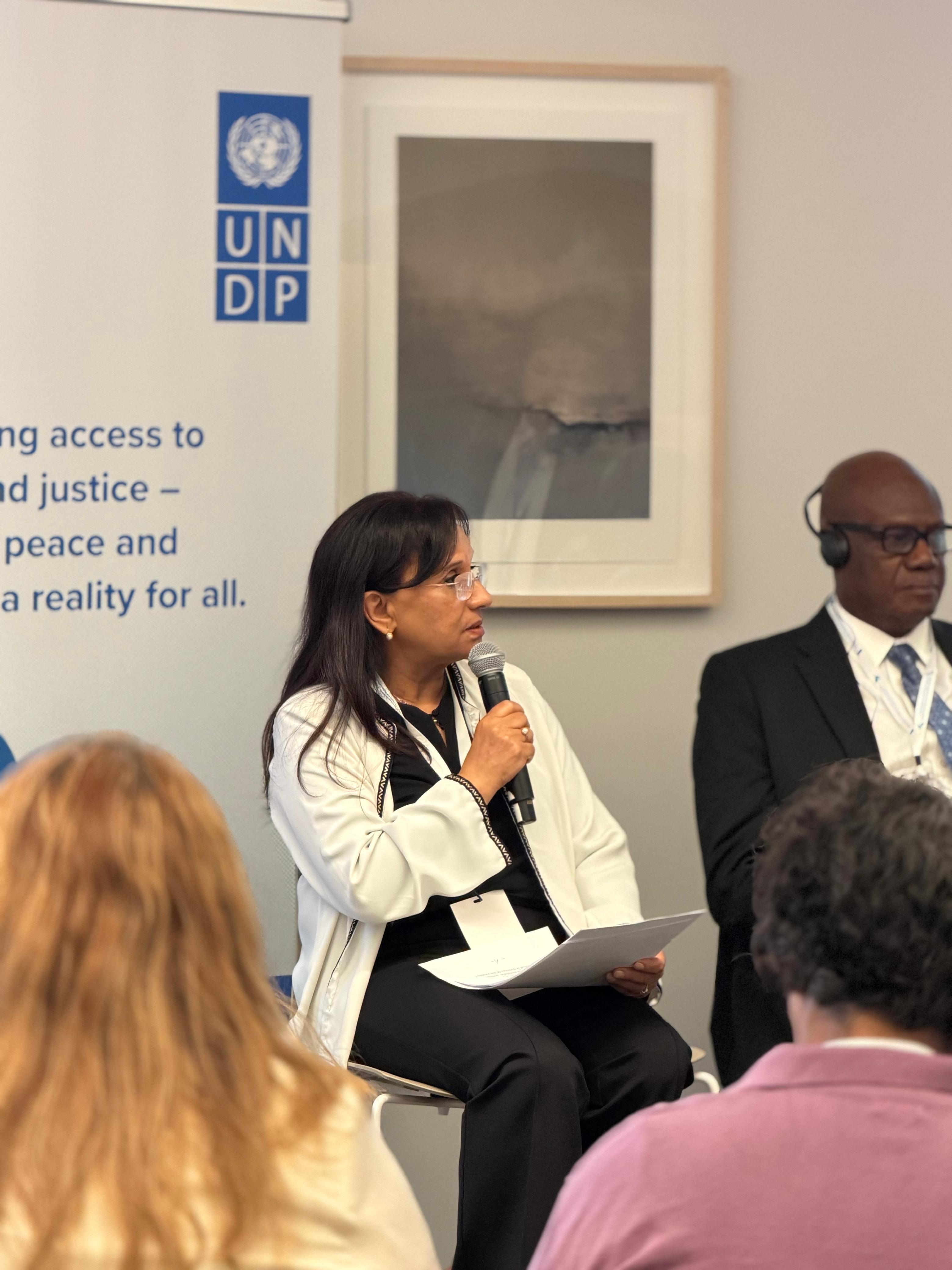
The CNDH Chairperson emphasized that this growing distrust does not reflect a rejection of institutions themselves. Rather, it stems from a declining belief in their ability to act fairly, effectively, and in a coordinated manner. The persistence of armed conflicts, the continued violation of international law without meaningful accountability, and widening social and economic inequalities, she noted, have all contributed to a rising sense of frustration and disillusionment among people around the world.
She added that the perception of injustice has become nearly universal. Many people increasingly feel that the rules are not applied equally to everyone and that the burden of global crises is disproportionately borne by the most vulnerable. As confidence in institutions’ ability to protect rights, uphold equality before the law, and deliver justice continues to erode, the cohesion and stability of societies are placed at growing risk.
Against this backdrop, the GANHRI Chairperson called for a fundamental shift in how crises are approached. Development, security, human rights, and the rule of law, she stressed, should not be treated as separate agendas but as interconnected pillars of a common goal: building more just, stable, and resilient societies.
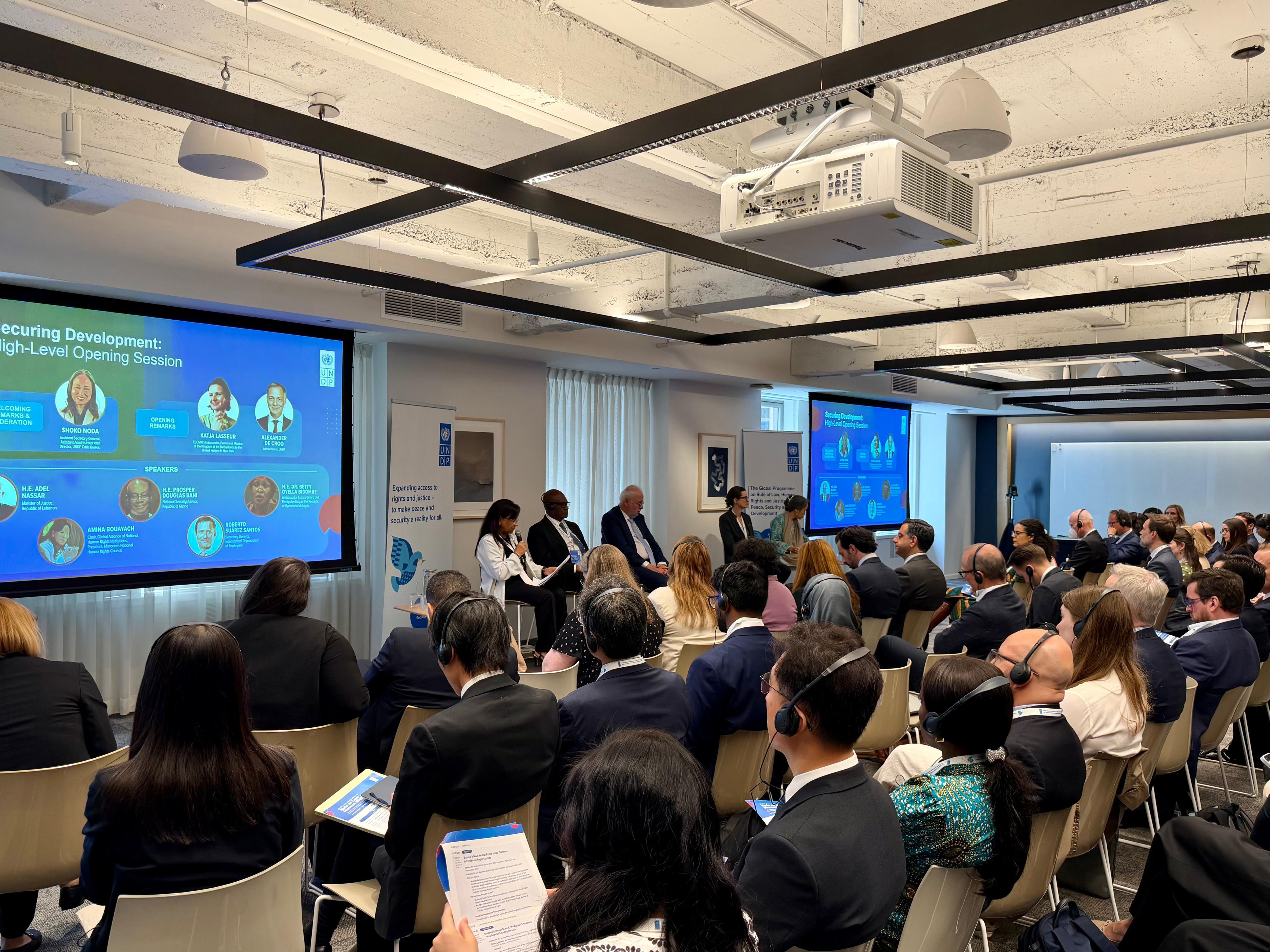
She also highlighted the importance of prevention, describing it as both more effective and less costly than responding to crises after they erupt. Serious human rights violations rarely occur without warning, she noted; they are often preceded by clear signs such as discrimination, exclusion, restrictions on fundamental freedoms, and the spread of hate speech. This reality underscores the crucial role of national human rights institutions in identifying early warning signs, raising awareness, and helping rebuild trust between governments and citizens.
Ms. Bouayach expressed concern about the mounting pressures facing National Human Rights Institutions (NHRIs) worldwide, particularly as resources dedicated to human rights, democratic governance, and preventive mechanisms continue to decline. Supporting NHRIs, she argued, should not be seen as an expense but as a strategic investment in peace, stability, and sustainable development.
Addressing international policymakers, she stressed that the challenge today is not a lack of understanding of the crises facing humanity, nor uncertainty about the principles that should guide international action. The real challenge, she said, lies in generating the collective political will necessary to turn those principles into tangible improvements in people’s everyday lives.
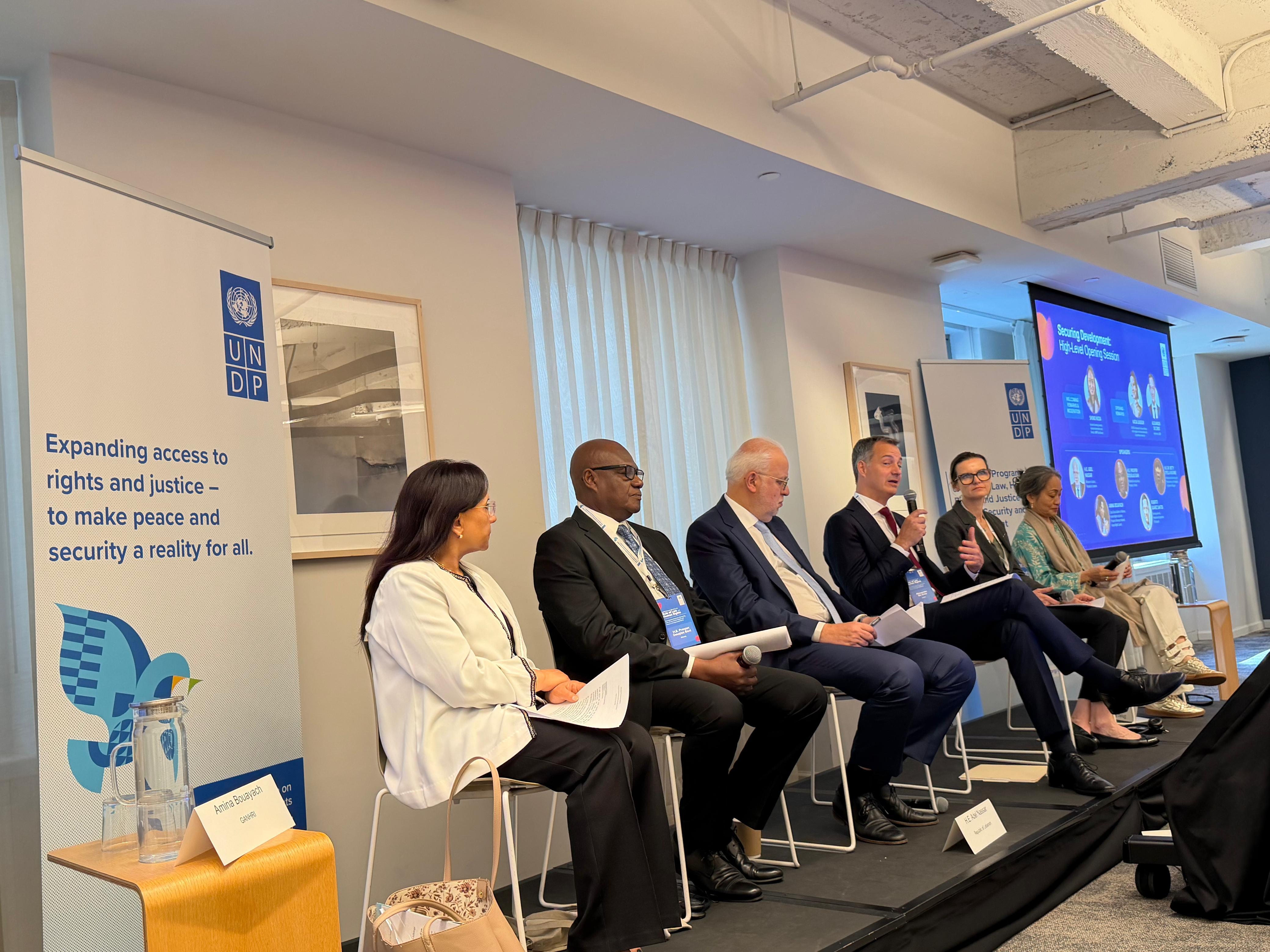
Concluding her address, Ms. Bouayach issued a global call to restore trust which is one of the defining challenges of our time. Building a more just and equitable world, she underscored, requires a renewed collective commitment to human rights, the rule of law, and effective multilateral cooperation.
Her message was ultimately a call to reinvigorate the global human rights agenda and strengthen international engagement in the service of development, peace, and human dignity.


Read more