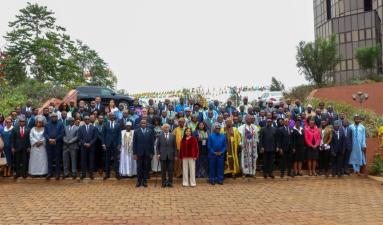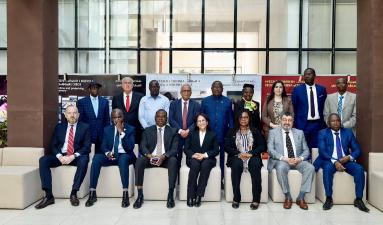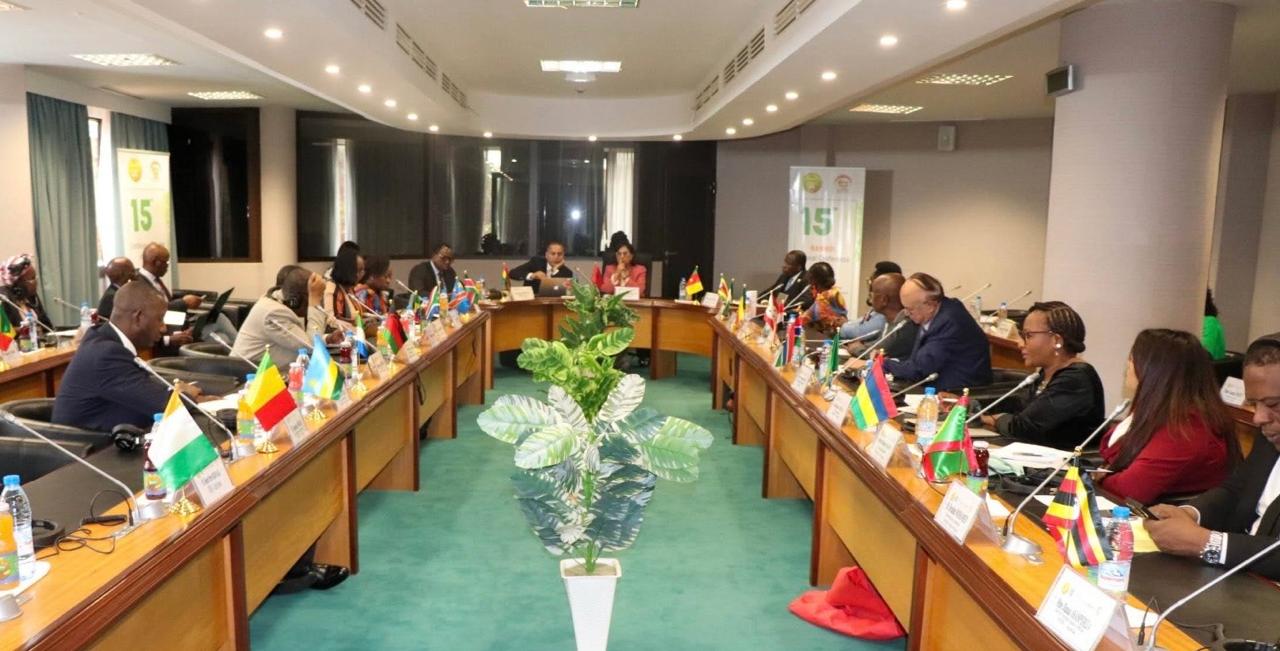
Ms. Amina Bouayach, Chairperson of the National Human Rights Council (CNDH), chaired a meeting of the African Working Group on Migration of the Network of African National Human Rights Institutions (NANHRI) in the Cameroonian capital, Yaoundé. Held on February 4, the meeting brought together heads and officials of national human rights institutions (NHRIs) from Morocco, Nigeria, Zimbabwe, Mauritania, the Democratic Republic of Congo, and Kenya, the member states of the group. It also included representatives from Egypt, Togo, Senegal, South Africa, Rwanda, Mauritius, Zambia, Burkina Faso, Equatorial Guinea, Cabo Verde, Burundi, Ghana, Cameroon, and Ethiopia.
Bouayach imparts "significant dynamism" to the work of NANHRI's Working Group on Migration
The meeting reviewed the Working Group’s achievements since its establishment. Highlights included progress in training, advocacy, coordination, and capacity building. Under Ms. Bouayach’s leadership, the group has organized training sessions, shared experiences on refugee protection and migrant rights during crises, and promoted the socio-economic integration of migrant workers. It has also taken part in regional and international forums, helping to amplify the voices of African NHRIs on migration issues.
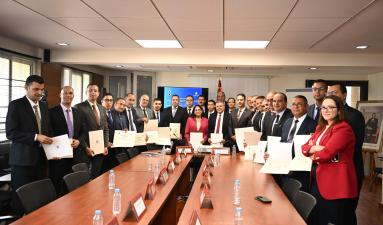
In this context, the meeting highlighted the significance of the cooperation agreement signed in Rabat in April 2025 with the UN Committee on the Protection of the Rights of All Migrant Workers and Members of Their Families (CMW), marking a major milestone in the Working Group’s work.
The agreement established a structured framework for collaboration, knowledge sharing, and coordinated advocacy, aimed at encouraging states to ratify the International Convention on the Protection of the Rights of All Migrant Workers and Members of Their Families and to strengthen its implementation. It also reflects a shared commitment to safeguarding the rights of migrants and their families while fostering sustainable partnerships between African NHRIs and the UN system.
Members of the Working Group on Migration, NANHRI’s leadership, and participating institutions commended the momentum achieved under Bouayach’s chairmanship. They highlighted the Group’s dynamism at both continental and international levels, particularly in the context of the Rabat Agreement.
The meeting also provided an opportunity to renew calls for the protection of migrant and refugee women, particularly in the face of rising anti-migration discourse, and to exchange strategies for advancing these rights across Africa.
In her opening remarks, the CNDH Chairperson highlighted the concerns of human rights defenders over the continued lack of ratification of the International Convention on the Protection of the Rights of All Migrant Workers and Members of Their Families.
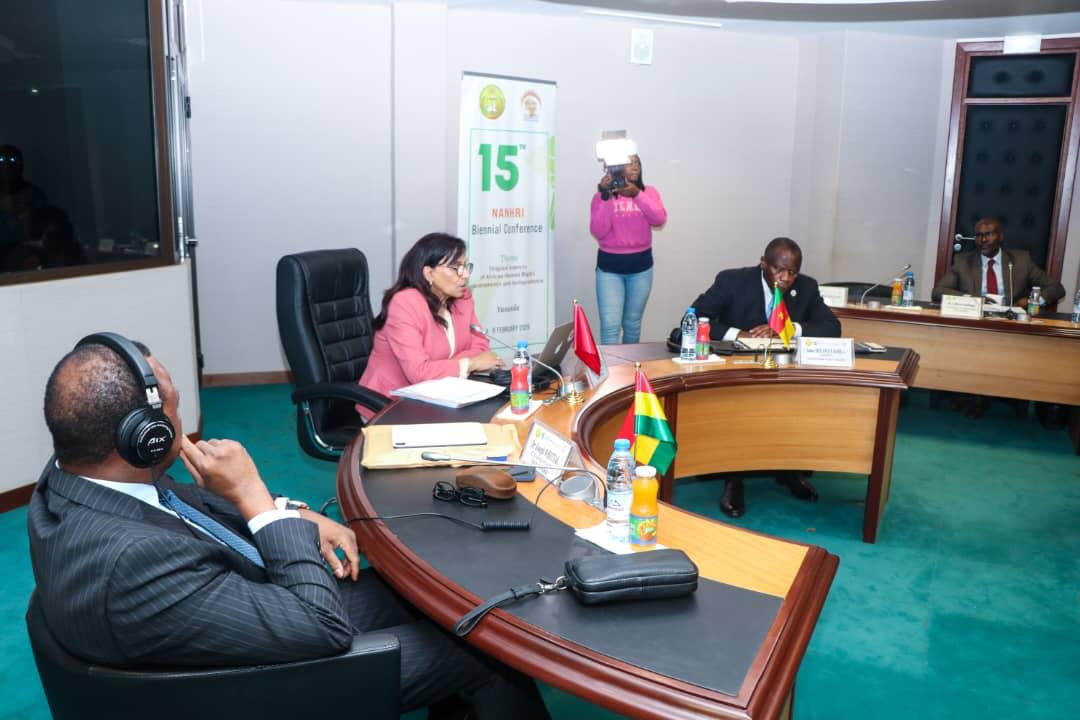
She highlighted that this gap hinders the effective and comprehensive protection of migrants’ rights and limits the ability of human rights defenders to fully carry out their work in this field.
“We aspire to strengthen the protection and promotion of human rights,” Ms. Bouayach added, underlining the need to advocate for the universal ratification of the Convention and to reinforce legal and institutional mechanisms that safeguard the rights of migrants and refugees. “Upholding human rights in the context of migration,” she stressed, “is a cornerstone for achieving development and stability, requiring the collective commitment of states and relevant institutions.”
It is worth noting that not all countries in the Northern Hemisphere have ratified the International Convention on the Protection of the Rights of All Migrant Workers and Members of Their Families, which guarantees fundamental human rights for all.
Alongside African and international human rights defenders, the CNDH Chairperson had highlighted the significance of this Convention, in force since 2003, as a binding international framework that safeguards the rights and dignity of migrants, while emphasizing its alignment with other global instruments, such as the Marrakech Compact for Safe, Orderly, and Regular Migration, which help prevent exploitation and strengthen protection mechanisms in host countries.
The CNDH Chairperson called for intensified African advocacy and coordination and for increased involvement of NHRIs in migration issues at both regional and international levels. She stressed the importance of unifying African stances, developing joint initiatives to influence public policies, integrating human rights into migration management, and holding the African human rights system accountable for fulfilling its regional and international commitments.
She further highlighted the pivotal role of NHRIs in monitoring migrants’ conditions, advocating for the harmonization of national legilsation with international standards, increasing public awareness of migrants’ rights, and facilitating access to protection and redress mechanisms.
It is worth noting that Morocco, through the CNDH Chairperson, currently chairs the African Working Group on Migration. Established in Marrakech at the end of 2018, the group institutionalizes migration as a key focus within the NANHRI.
Reflecting on the meeting, Ms. Bouayach emphasized the ongoing support for the group’s efforts, highlighting the importance of strengthening joint work to advance an African human rights-based approach to migration and address the growing challenges it faces across Africa and globally.


Read more