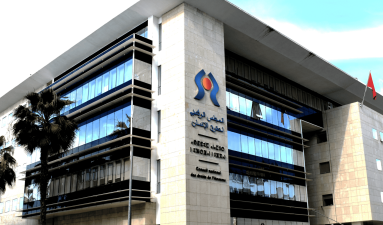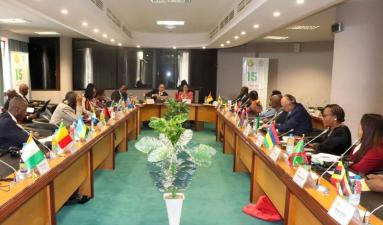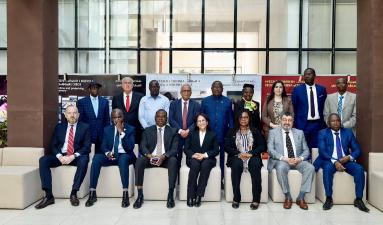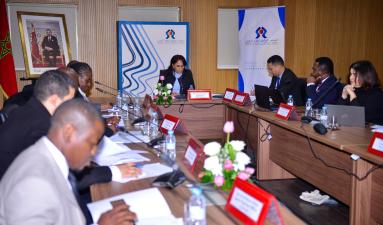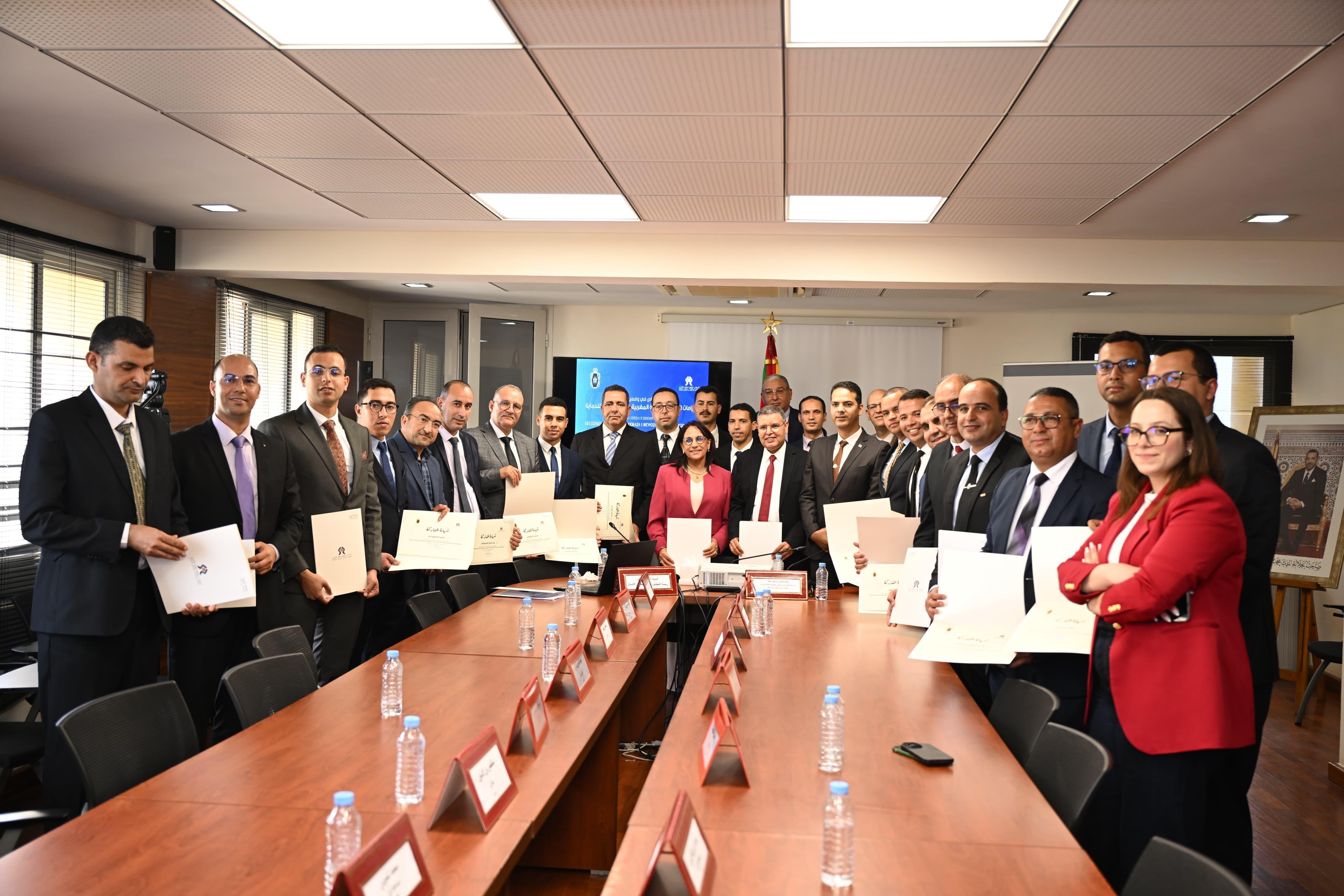
The Rabat Human Rights Institute hosted last week (May 26–30) a first-of-its-kind training course for officials from the Royal Gendarmerie of Morocco on “International obligations of the Kingdom of Morocco and the national framework for the protection of migrants’ rights.”
The initiative reflects the two institutions’ shared commitment to a human rights-based approach to the humane management of migration within security functions, through specialized training that combines legal knowledge, institutional experience, and field practice.
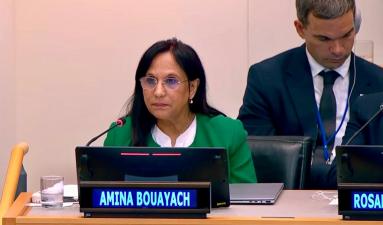
On this occasion, Ms. Amina Bouayach, CNDH Chairperson, stressed the importance of this training in supporting the implementation of recommendations issued by the UN Committee on the Protection of the Rights of All Migrant Workers and Members of Their Families. She emphasized that strengthening the capacities of law enforcement officials is a national priority for ensuring a more effective, humane, and coordinated approach to migration governance, in line with international human rights standards and commitments.
She further noted that the convergence of institutional will and effort reflects a shared adherence to fundamental principles: human dignity, equality, and justice.
“Through this shared strategic and ethical commitment, we are consolidating the foundations of a responsible, effective, and results-oriented public action,” noted Ms. Bouayach. She added that this initiative reflects Morocco’s sovereign and voluntary choice to implement human rights standards by linking legal knowledge with operational skills, with the aim of improving governance, strengthening the rule of law, and enhancing trust between officials and migrants, regardless of their legal status, particularly in a context of rapid regional and global transformations that place migration and migrant protection at the center of today’s human rights concerns.
From training to practice: Strengthening migrants’ rights protection within the Royal Gendarmerie
The training represented a significant milestone in reinforcing the Royal Gendarmerie’s capacities in the protection of migrants’ rights. It featured in-depth discussions on national and international legal frameworks, as well as Morocco’s national strategy on migration and asylum.
The Royal Gendarmerie ensured broad participation by representatives from all training schools, centers, and territorial units, with the aim of disseminating acquired knowledge across the institution. This step is seen as strategic in expanding rights-based understanding and embedding a human rights culture as a core component of professional practice within the Gendarmerie.
A representative of the Royal Gendarmerie noted that the training strengthened existing instruction on the International Convention on the Protection of the Rights of All Migrant Workers and Members of Their Families, which is already taught across Gendarmerie training institutions. He highlighted that more than 15,900 personnel have benefited from such training over the past four years.
The Royal Gendarmerie also confirmed that the outcomes of this session will be integrated into all training centers and field units, in order to further strengthen the human rights dimension in daily operational practice.
Institutional cooperation between human rights and security actors
Beyond its academic and technical content, the initiative stood out for the strong and growing coordination between the National Human Rights Council and the Royal Gendarmerie of Morocco.
Ms. Bouayach praised this exemplary cooperation, particularly the engagement with the National Preventive Mechanism against Torture (NPM) in territorial units of the Royal Gendarmerie and the implementation of its recommendations, which reached a rate of 95%. She described this as “clear evidence of sustained institutional commitment to supporting human rights and reinforcing prevention as a cornerstone of the national human rights system.”
For its part, the Royal Gendarmerie reaffirmed its commitment to facilitating the work of the NPM in its territorial units and ensuring prompt responses to its recommendations. It also expressed appreciation for the strong spirit of cooperation and mutual trust with the CNDH, highlighting its contribution to training programs and the active participation of its personnel in human rights seminars and workshops organized by the Council.
This convergence of efforts, Ms. Bouayach emphasized, reflects a strategic and ethical choice grounded in human dignity, equality, and justice.
Through such joint initiatives, she concluded, Morocco is strengthening the foundations of a responsible and effective public service that places the protection of human rights at its core.
The closing session also reviewed both the theoretical and practical aspects of the training program, with the aim of improving daily professional practice in line with human rights standards. Both institutions expressed their commitment to integrating participants’ recommendations into future training programs and extending them across territorial levels. Participants were also provided with a practical guide for trainers to facilitate knowledge sharing within their respective units.
The training concluded with broad consensus that it contributes to updating strategies, refining approaches, and improving governance in migration management, not as a temporary measure, but as part of a deeper ethical and strategic commitment that places the protection of human dignity at the center of all protective interventions.


Read more