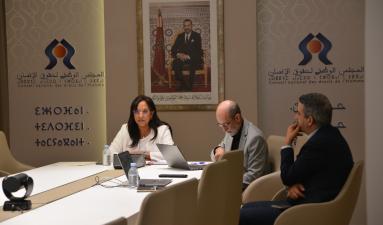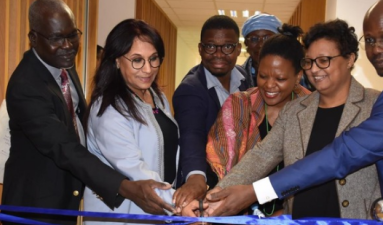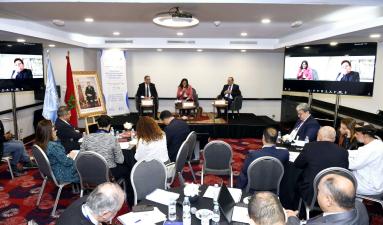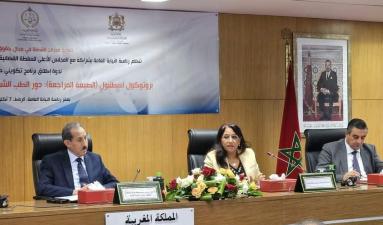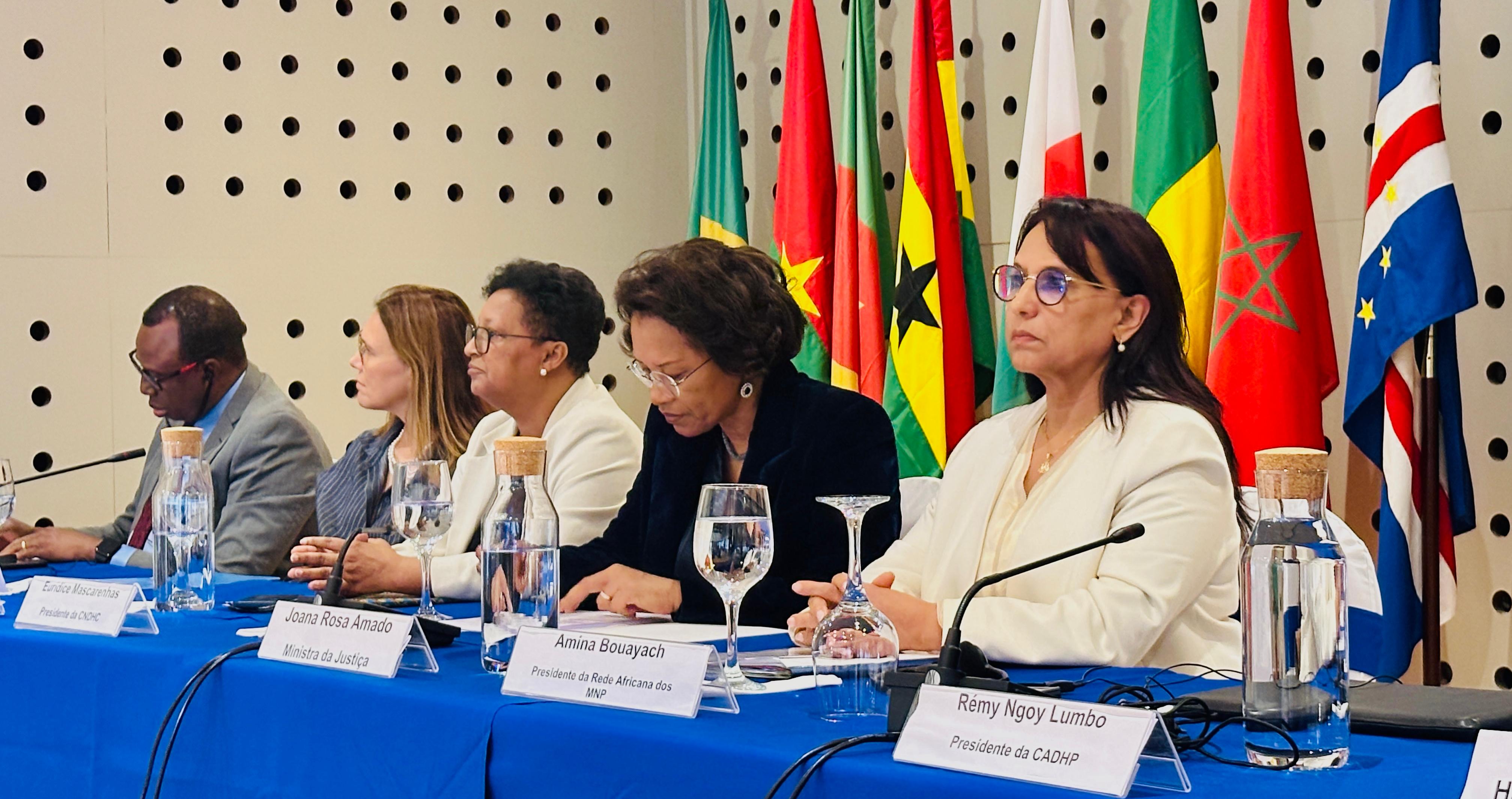
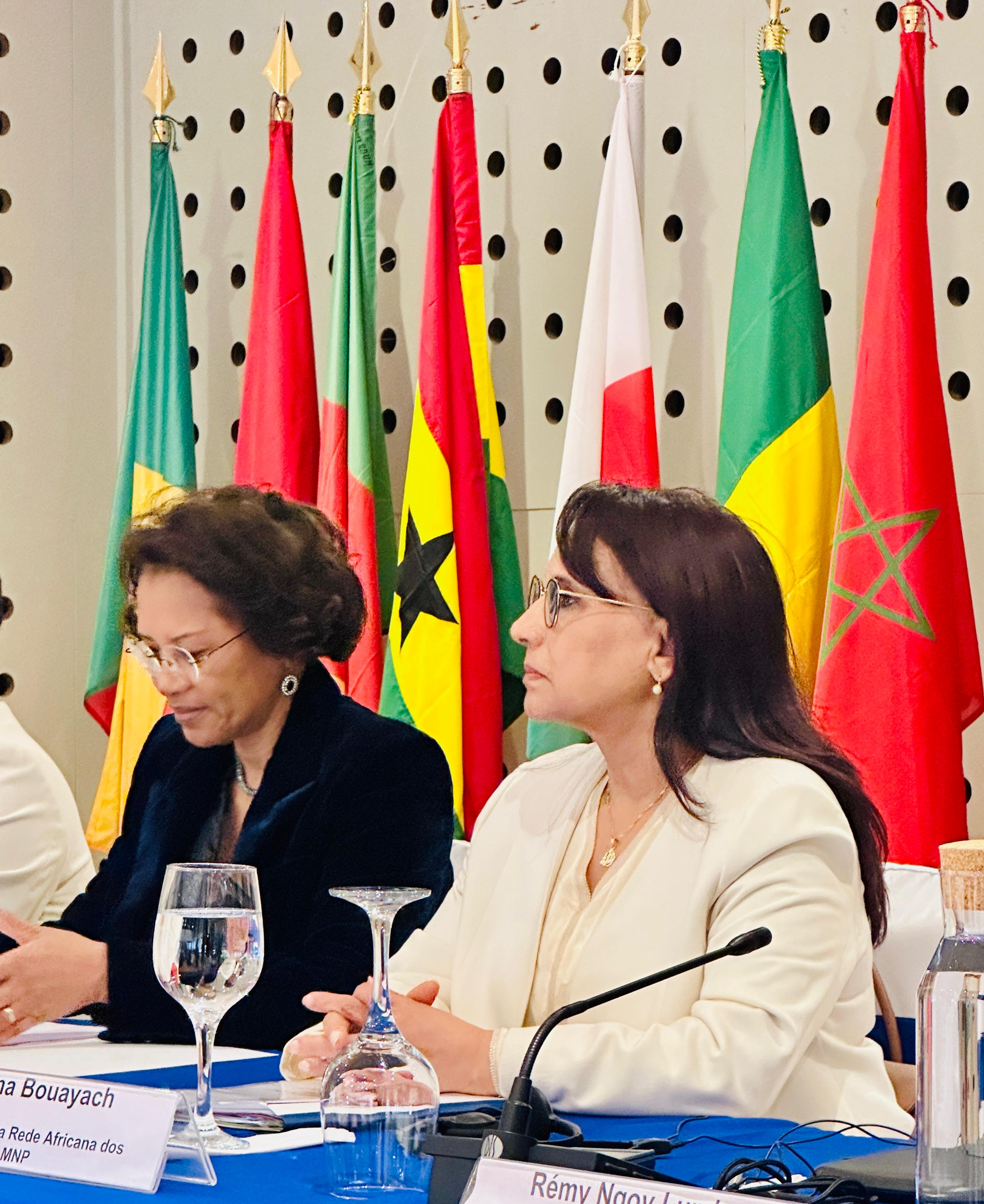
Ms. Amina Bouayach, Chairperson of the African National Preventive Mechanisms Network (ANPMN), is convening with her African counterparts in Praia, the capital of Cape Verde, for the Network’s third annual conference, following earlier editions in Marrakesh and Cape Town.
Across both sides of the Atlantic, human rights advocates and leaders of human rights institutions and organizations from Africa’s five regional groups convene this week in Praia, Cape Verde, with a clear message: torture has no place in Africa’s present or future.
“Zero torture is not just a slogan; it is a concrete and achievable objective,” stressed Ms. Bouayach, who also chairs Morocco’s National Human Rights Council (CNDH), which hosts the Network’s permanent secretariat. “It requires robust prevention mechanisms, strengthened transparency, and the responsible use of technology.”
Held on June 25–26, 2025, the conference focuses on “Technology and the Prevention of Torture.” Over two days, participants, including heads and representatives of national preventive mechanisms (NPMs), alongside African and international experts and organizations, will work to advance the continent-wide vision of “Zero Torture in Africa.”
Opening the high-level segment, Ms. Bouayach described the conference as “a further step toward collectively shaping a more humane future for Africa.” She was joined by Cape Verde’s Minister of Justice, the Chairperson of the African Commission on Human and Peoples’ Rights, representatives of the United Nations and its Subcommittee on Prevention of Torture, as well as leaders of national and regional human rights institutions, including the Network of African National Human Rights Institutions (NANHRI).
Discussions will explore a wide range of critical issues, from the role and impact of digital technologies in preventing torture, to the sharing of national experiences in using such tools during monitoring visits and reporting processes. Participants will also examine ways to enhance the operational capacity of national mechanisms through digital innovation, while addressing the ethical and legal challenges related to data protection and the safeguarding of individual privacy. The conference will also host statutory meetings of the Network, including sessions of its General Assembly and Steering Committee.
Building on the foundations laid in Marrakesh and further strengthened in Cape Town, the Praia conference marks a new phase in consolidating an integrated and effective African framework for torture prevention. Initiated through a joint effort by Morocco and South Africa, this process continues to reinforce South-South cooperation and deepen coordination among national mechanisms across the continent.
Key institutional milestones are also expected, including the adoption of the Network’s internal regulations and visual identity, the designation of an East African representative, and the announcement of the host country for the fourth conference.
Notably, the CNDH has been entrusted by the General Assembly to host the Network’s permanent secretariat. The Network itself was established under the “Marrakesh Declaration,” endorsed in South Africa, which serves as a foundational framework for a collective African approach and a coherent continental vision for the prevention of torture.
“Africa does not need to replicate external models; it must innovate its own solutions,” Ms. Bouayach affirmed in closing. “This is an African initiative, driven by Africa, for Africa, and led by Africans for the benefit of all.”
In addition to Morocco and Cape Verde, the conference brings together national preventive mechanisms from Senegal, South Africa, Niger, Benin, Burkina Faso, Togo, Tunisia, Rwanda, Madagascar, Mali, Mauritania, Mozambique, and Nigeria. Participating partners also include the African Commission on Human and Peoples’ Rights, the Subcommittee on Prevention of Torture, the Association for the Prevention of Torture, NANHRI, and Dignity – Danish Institute Against Torture.


Read more