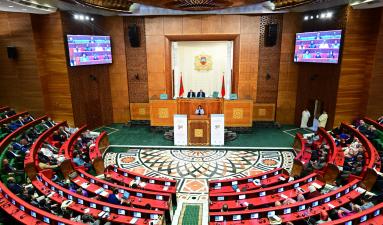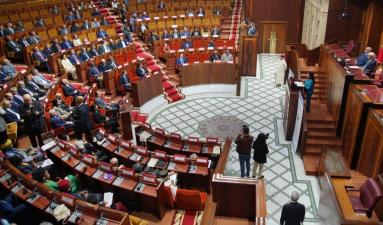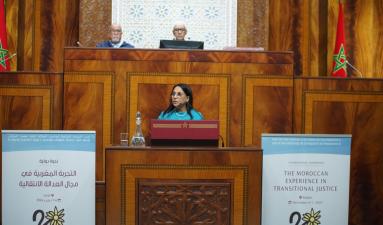
In December 2024, under the dome of the Moroccan Parliament, the United Nations High Commissioner for Human Rights, Volker Türk, described Morocco’s experience in transitional justice as a “landmark” and pioneering model in the global history of transitional justice. As the UN’s top human rights official, Türk praised the Moroccan experience as a distinguished example in the field.
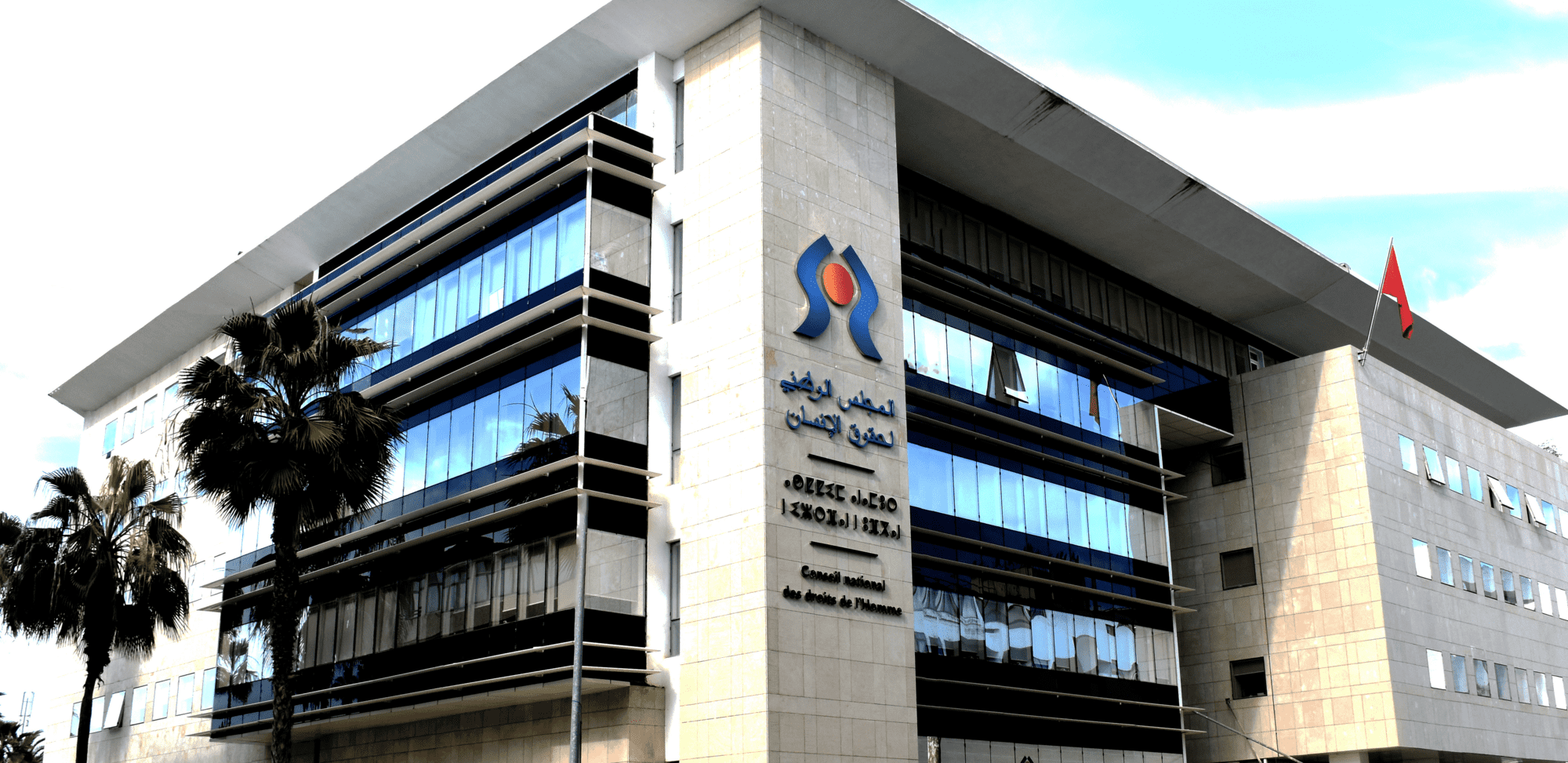
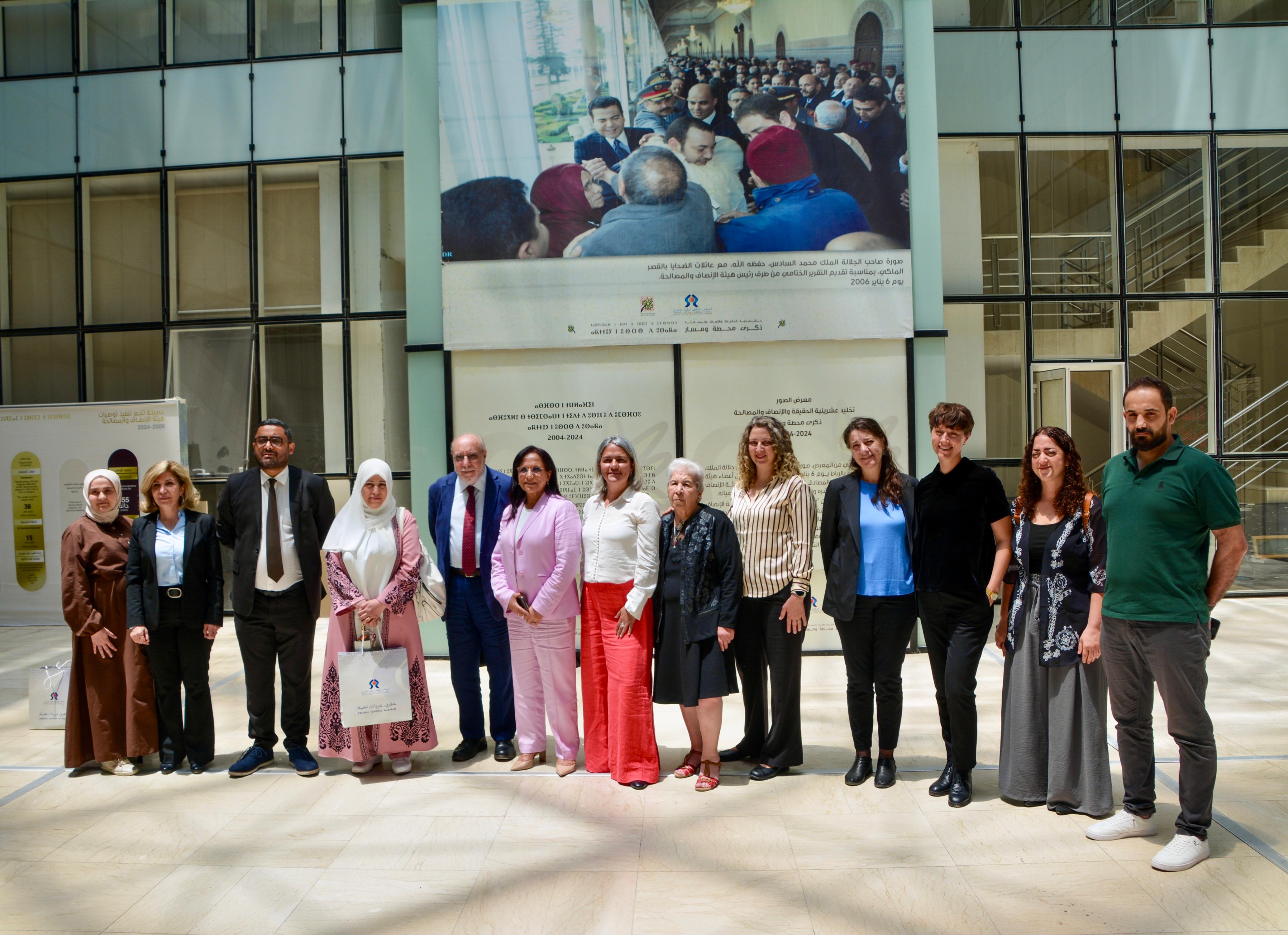
Yesterday, Tuesday, May 19, at the headquarters of the National Human Rights Council (CNDH) in Rabat, the United Nations once again commended Morocco’s transitional justice model. This time, the recognition came from UN Assistant Secretary-General Karla Quintana Osuna of Mexico, who previously served as Mexico’s National Commissioner for the Search for Missing Persons and later as Head of the Federal Public Defense for Victims.
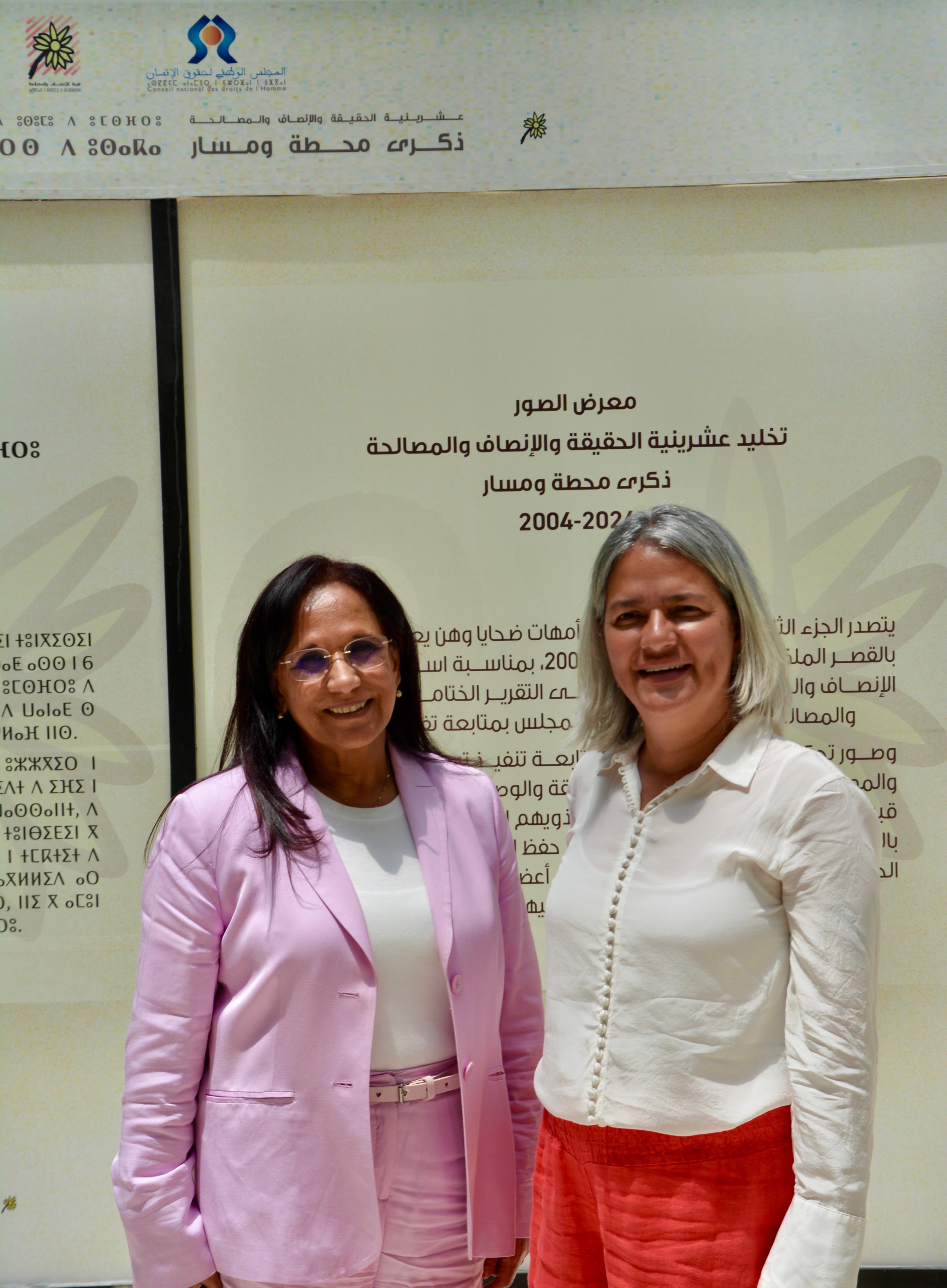
“A successful experience,” the UN official declared at the opening of her remarks during a meeting with Ms. Amina Bouayach, CNDH Chairperson, alongside members of the Advisory Board of the Independent Institution on Missing Persons in the Syrian Arab Republic, chaired by Karla Quintana herself. The chair of the advisory board, herself a former Syrian victim and member of a victims’ family representing the victims’ constituency, stated: “We are proud” of Morocco’s transitional justice experience, not only because it was the first national experience of its kind in the Middle East, North Africa, and the Islamic world, but also because of its foundations, outcomes, and approach, particularly its genuine political will and the central role played by civil society, victims’ families, and women.
The visit by the UN independent institution and members of its advisory board, established to ensure the participation of families of the missing, survivors, and civil society in the institution’s work, reflects the key role the CNDH has played, and continues to play, in Morocco’s transitional justice process and the follow-up implementation of its recommendations. The CNDH was the institution that originally recommended the establishment of the Equity and Reconciliation Commission (IER), and later provided its members with technical, logistical, and expert support. Subsequently, King Mohammed VI entrusted the CNDH with overseeing the implementation of the Commission’s recommendations, another distinctive Moroccan practice in the field of transitional justice and the role of national human rights institutions.
“Transitional justice is a national process that restores justice for victims, uncovers the truth, and looks toward the future,” noted Ms. Bouayach, who welcomed the UN and Syrian delegation alongside the CNDH committee responsible for implementing transitional justice recommendations, as well as directors and advisers overseeing various dimensions of the process.
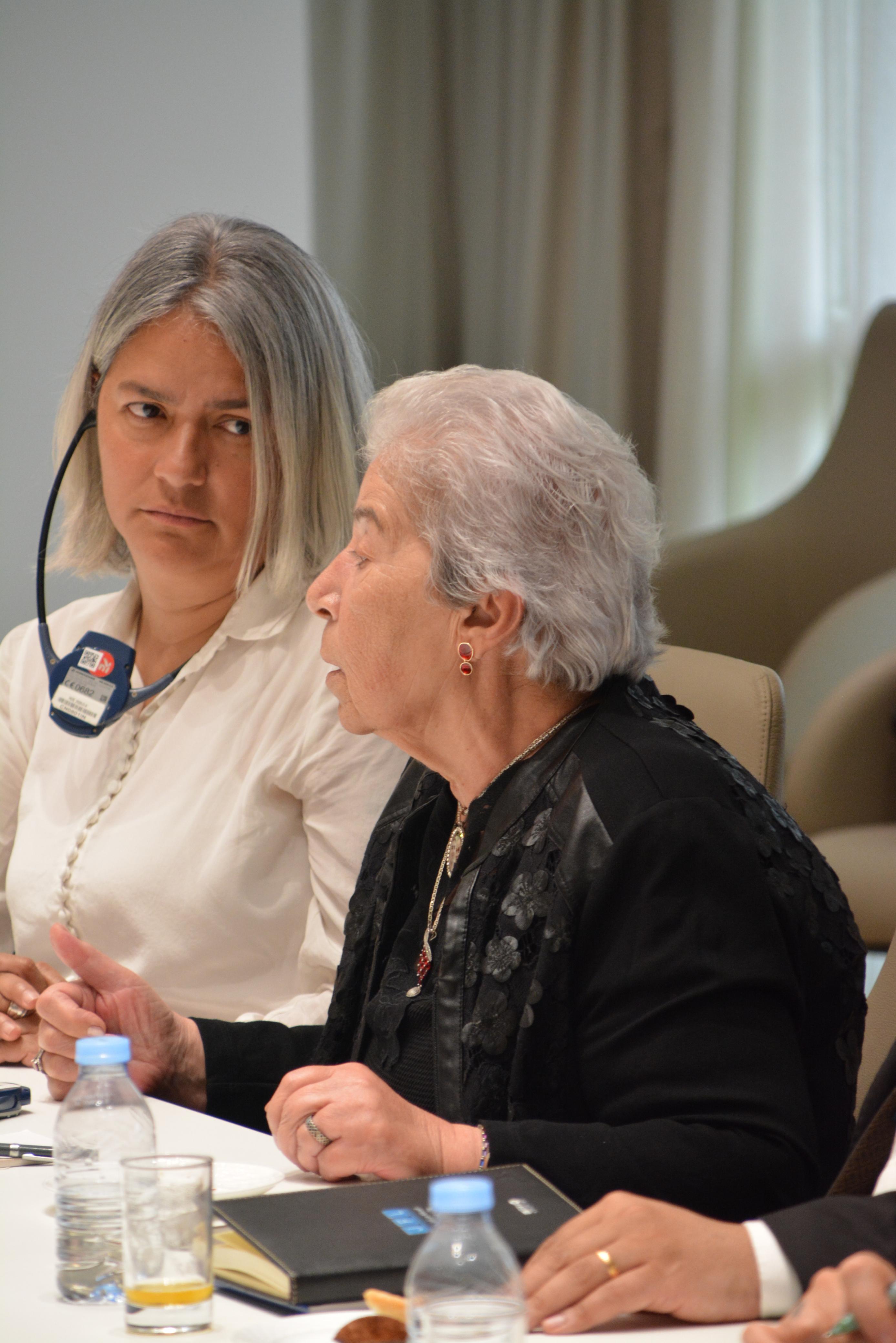
According to the CNDH Chairperson, Morocco’s transitional justice experience, from which the UN institution on missing persons in Syria seeks to draw lessons and inspiration, embodied a sovereign and voluntary decision backed by a collective societal conviction to break with a past marked by human rights violations. Morocco’s experience, she explained, went beyond uncovering the truth and providing both individual and collective reparations to victims and rights holders. It also focused on reconciliation, preserving memory, reform, and guarantees of non-recurrence.
Ms. Bouayach described transitional justice in Morocco as one of the major reform projects undertaken by the country during the 21st century, through which a uniquely Moroccan approach to human rights issues gradually took shape and became firmly rooted. Participation, consultation, consensus-building, and the search for solutions tailored to the national context, she added, were the foundations upon which Morocco built a path based on listening to its collective memory and confronting past abuses, not merely for documentation or compensation, but to foster national ownership and shape a future grounded in reconciliation, justice, dignity, and human rights.
Addressing members of the advisory board of the Independent Institution on Missing Persons in the Syrian Arab Republic, who expressed strong interest in Morocco’s experience and Syria’s future, the CNDH Chairperson explained that Morocco’s distinctive model introduced innovative approaches that moved away from ready-made solutions. Instead, Morocco pursued paths that were gradually built through a shared commitment between the state and society: social dialogue, collective national ownership, and genuine political determination to turn the page on past abuses without denying or erasing them, while continuously transforming the tragedies of the past into lessons, opportunities, and drivers of broader social participation.
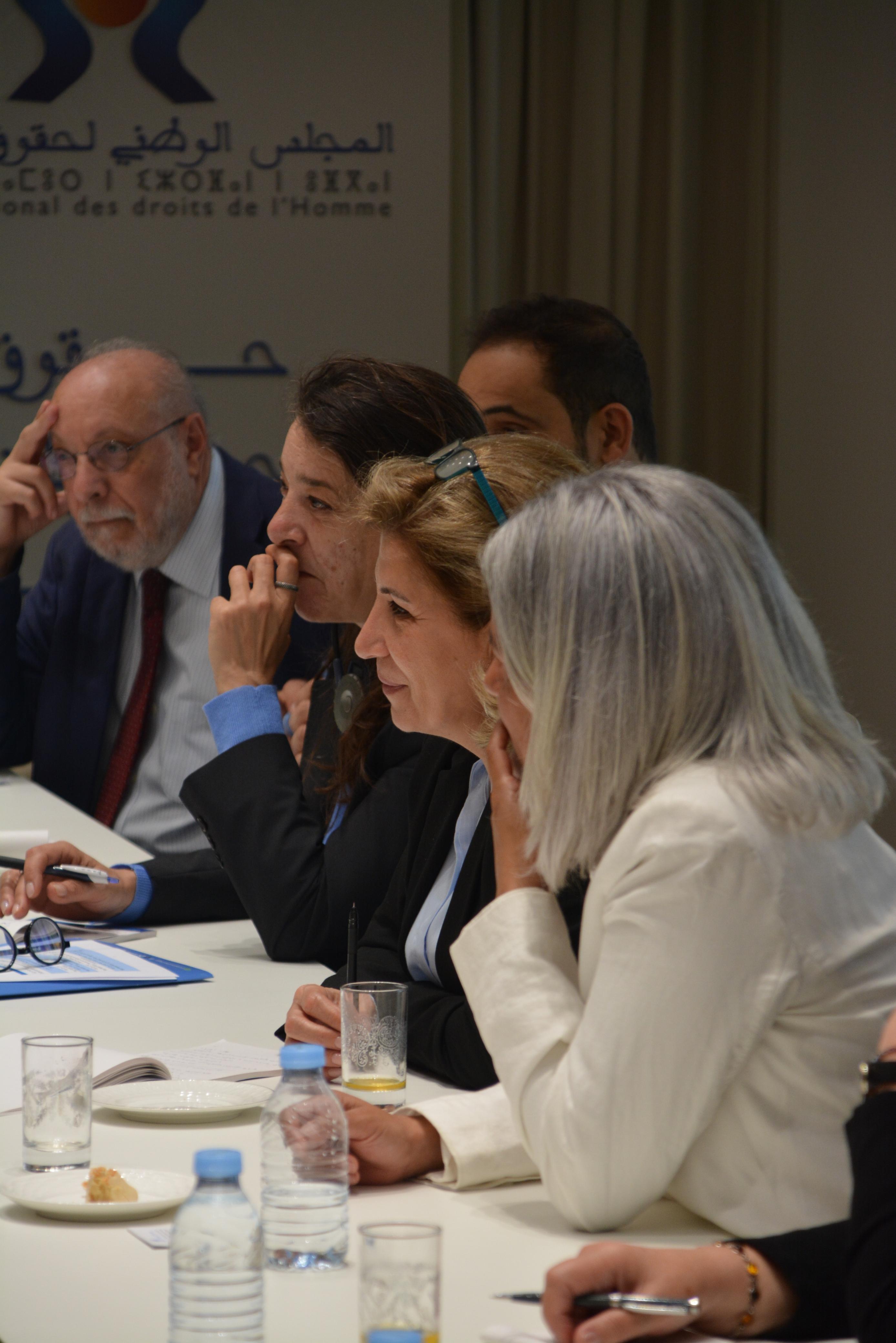
Morocco’s unprecedented regional and continentally pioneering transitional justice experience demonstrates that transitional justice is ultimately a national process aimed at rebuilding trust, protecting human dignity, and laying the foundations for institutional reform, constitutional development, and democratic construction.
Ms. Bouayach concluded the meeting with the UN independent institution on missing persons in Syria and members of its advisory board by emphasizing that Morocco’s experience established a new social contract centered on safeguarding human dignity through the implementation of recommendations that included constitutional, institutional, and legislative guarantees against torture and grave human rights violations.
Only a few years after the launch of Morocco’s transitional justice process, these recommendations became one of the foundations of the 2011 constitutional reform, marking a shift from merely addressing past violations toward a model based on prevention, constitutional protection of rights, and the explicit constitutional prohibition of grave human rights abuses.


Read more