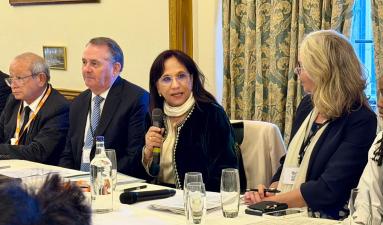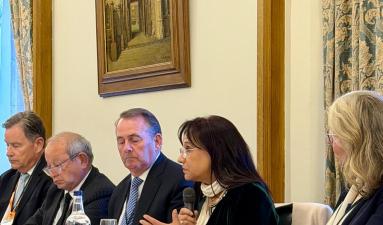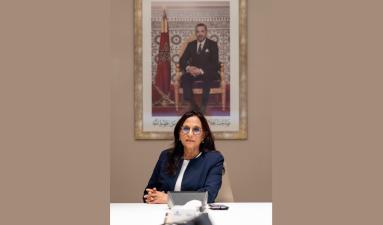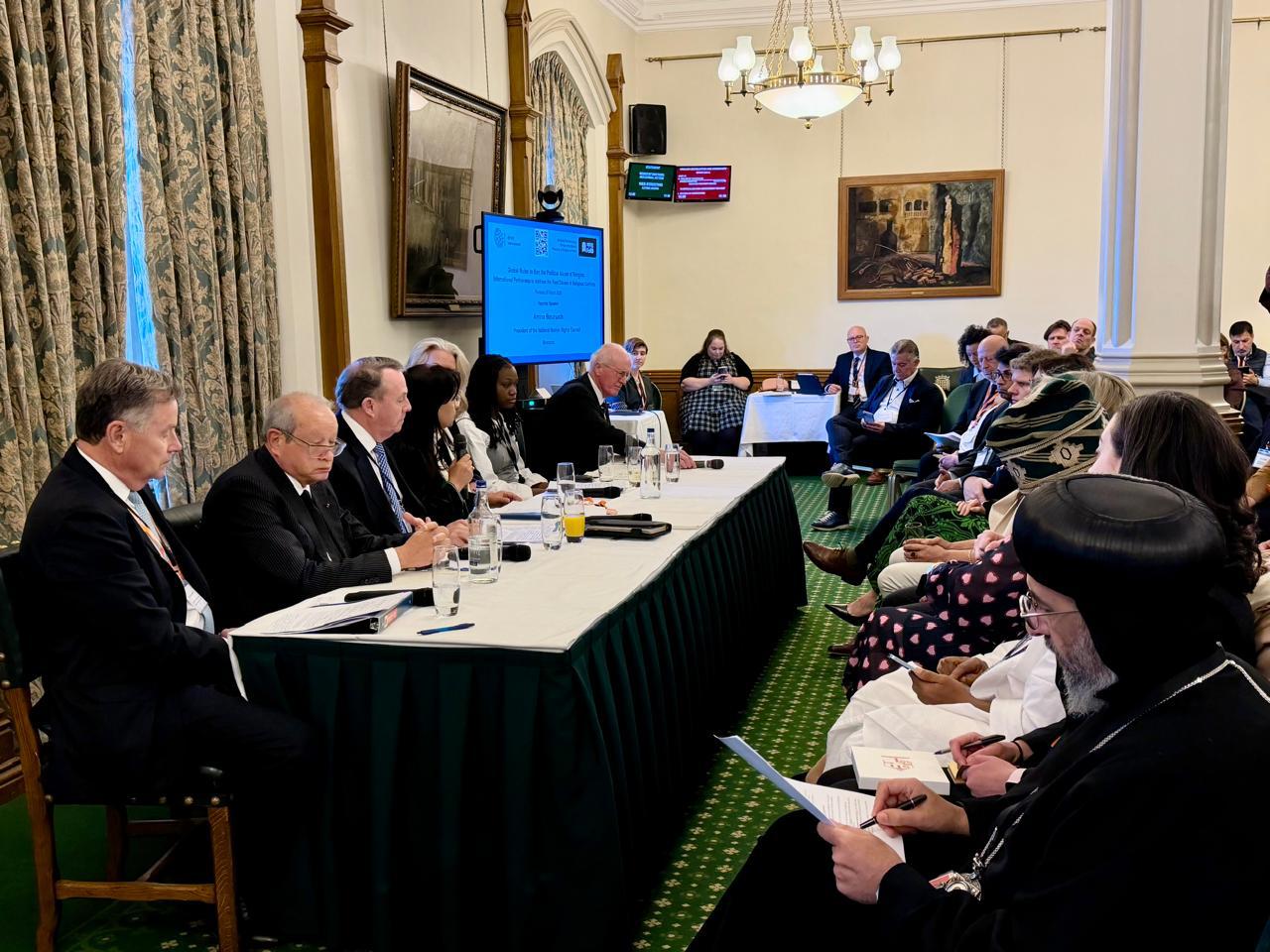
In a keynote address delivered at an international conference held at the UK House of Commons on Thursday, March 26, 2026, Ms. Amina Bouayach, Chairperson of the National Human Rights Council (CNDH), presented key elements of Morocco’s experience in safeguarding religion from political abuse, highlighting the features of the Moroccan model for structuring the religion.
“The Moroccan model is both distinctive and advanced in its approach to structuring religion,” noted the organizers of the international conference as they introduced the CNDH Chairperson at the event. They also expressed their gratitude to Morocco for hosting last year’s conference, with the support of the CNDH, as part of ongoing efforts to advocate for an international convention banning the political exploitation of religion.
In her address, Ms. Bouayach underscored that the Moroccan model is based on a clear institutional framework, most notably reflected in the role of the Supreme Council of Ulema, chaired by His Majesty the King, which holds exclusive authority to issue religious opinions, ensuring that religious interpretation remains aligned with societal developments.
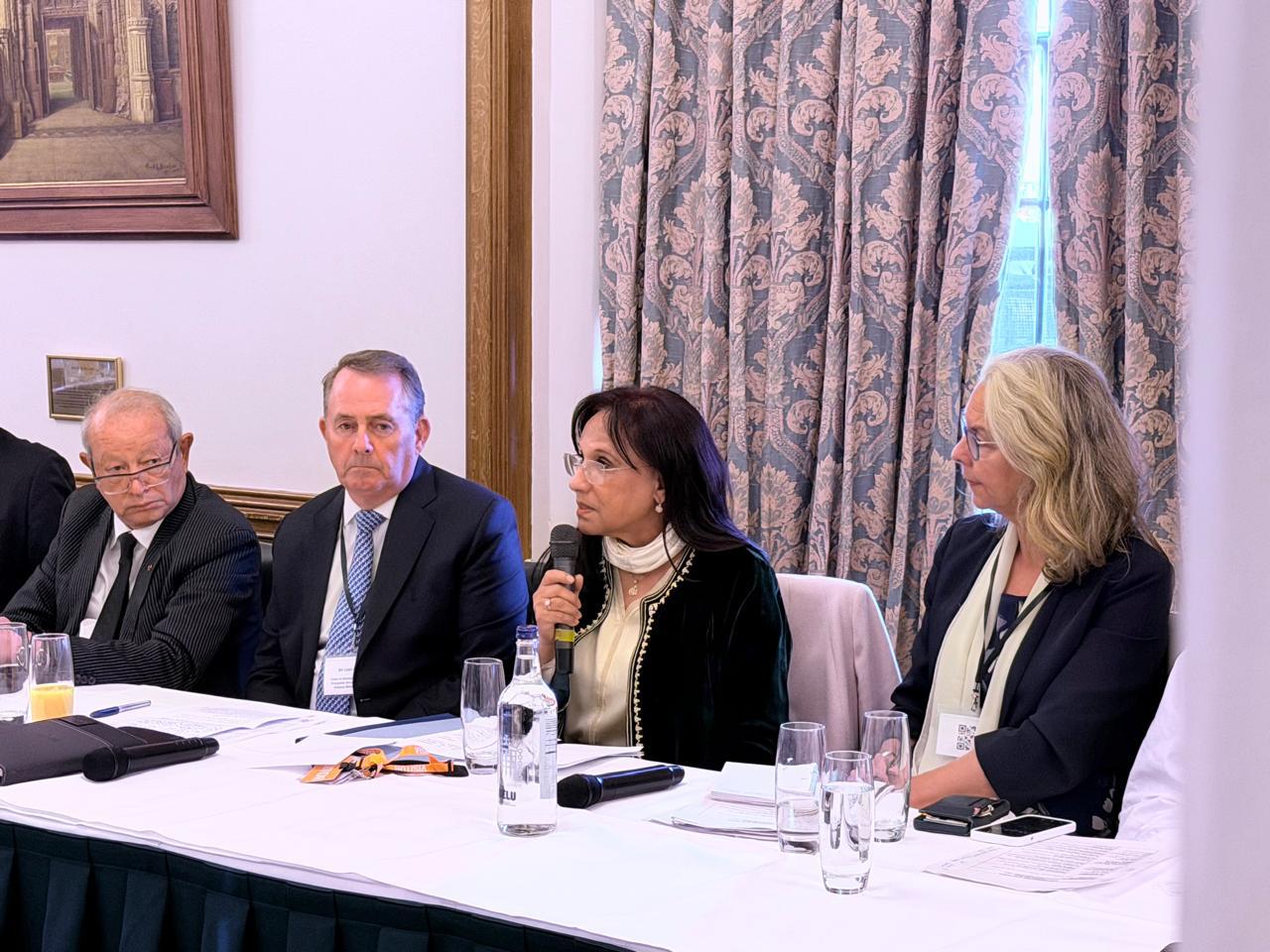
n this context, she highlighted several initiatives that embody this approach, including the experience of mourchidates (female religious guides), which is unique in the region. She also pointed to the empowerment of women to serve as adouls (notaries mainly for marriage contracts), making Morocco one of the few Muslim-majority countries where women are authorized to officially register marriage contracts.
According to the CNDH Chairperson, this structured framework has contributed to curbing extremist interpretations and promoting a moderate, open understanding of religion which helps expand rights rather than restrict them.
On the legal front, she underlined that Morocco has established a clear framework prohibiting the creation of political parties on a religious basis. She also praised rehabilitation programs such as the “Moussalaha” Program aimed at integrating individuals convicted in extremism-related cases through a comprehensive approach combining psychological support, awareness-raising, education, and human rights values.
Through the Moroccan model, Ms. Bouayach concluded, it becomes clear that the responsible structuring of religion, combined with the protection of rights and freedoms, serves as an effective safeguard against the political abuse of religion.


Read more