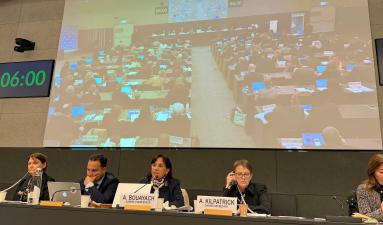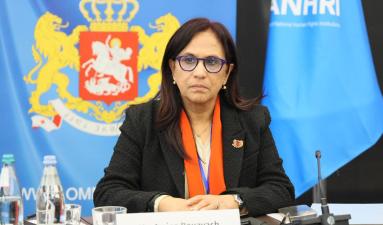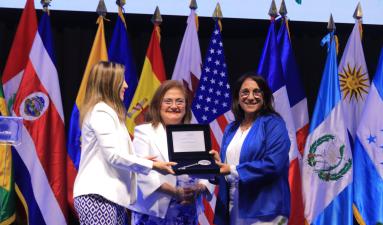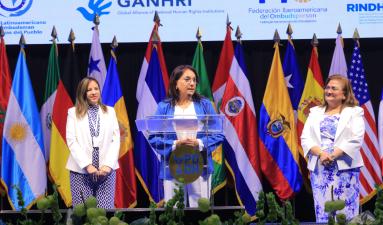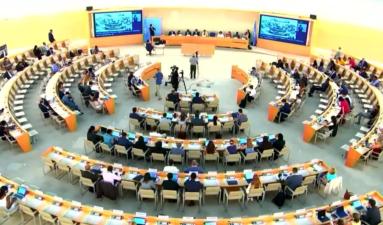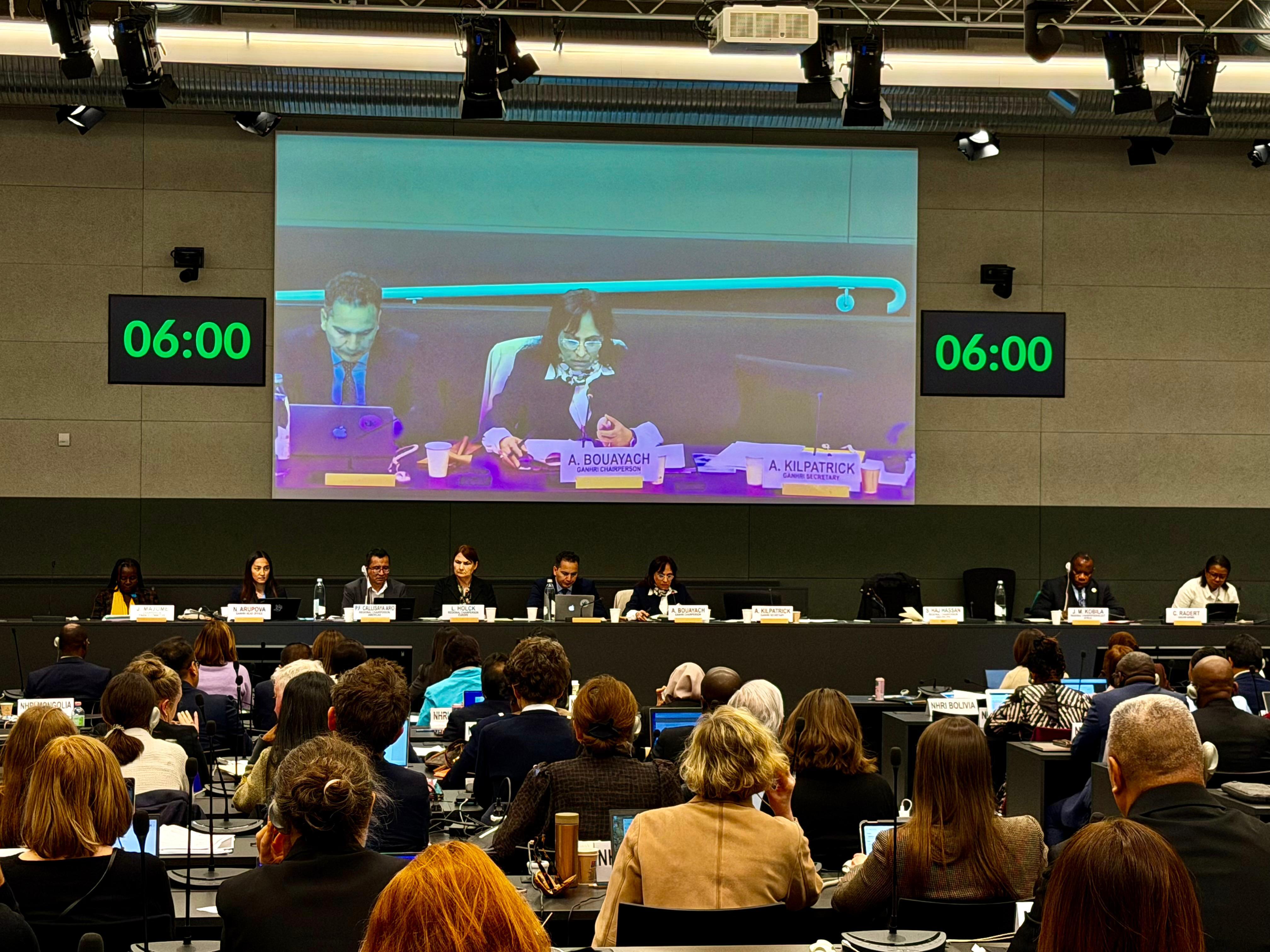
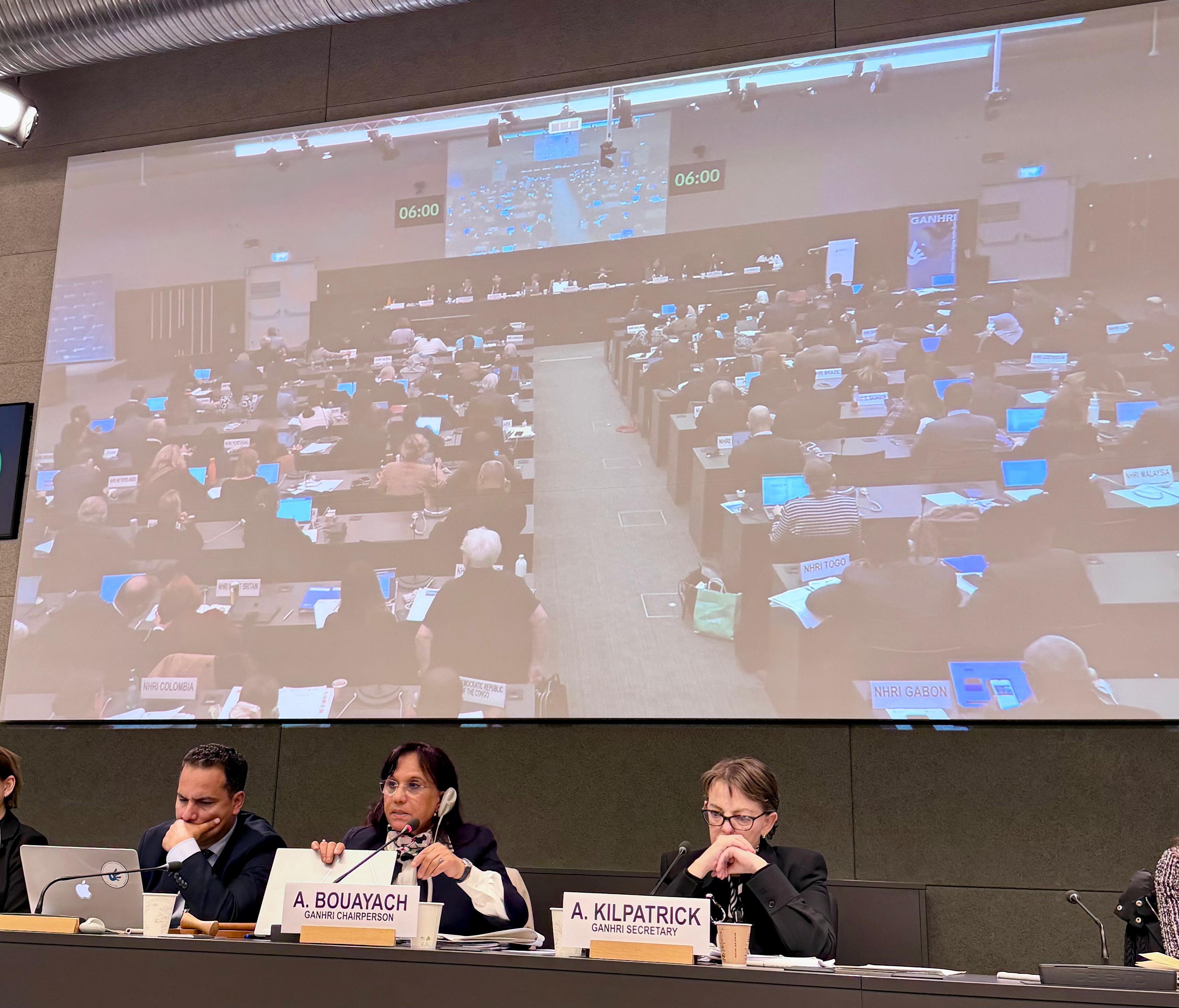
Ms. Amina Bouayach, Chairperson of the National Human Rights Council (CNDH) has warned that the world is undergoing profound changes that are putting the foundations of international human rights law to the test. She made these remarks while chairing her first General Assembly as Chairperson of the Global Alliance of National Human Rights Institutions (GANHRI) on March 31, 2026.
She noted that the world is witnessing deep shifts, which are making it increasingly difficult to guarantee fundamental rights and freedoms. “These developments are testing the effectiveness of the international human rights system in ways not seen before,” she explained.
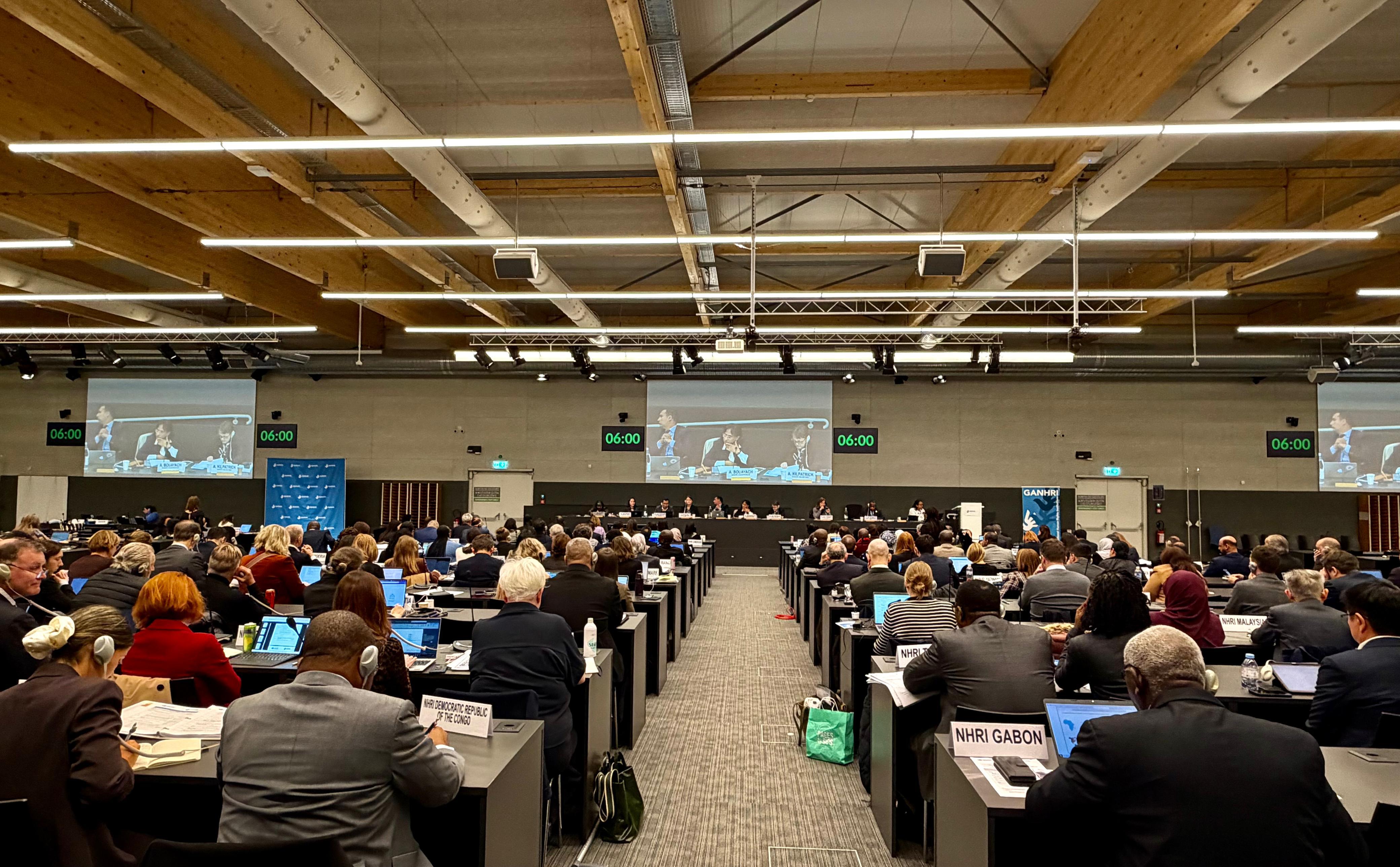
The GANHRI Chairperson emphasized that the multilateral system built around the United Nations and anchored in key instruments such as the Universal Declaration of Human Rights, is facing direct challenges. These pressures, she explained, threaten the values that have been built collectively over decades of international cooperation.
In her opening remarks, Ms. Bouayach stressed that geopolitical polarization has become a major factor weakening multilateral cooperation. She highlighted a noticeable shrinking of civic space, along with increasing attacks targeting the independence of institutions and growing difficulties for stakeholders in accessing United Nations mechanisms.
She added that crises are intensifying across all regions of the world, including Africa, the Middle East, Europe, Asia, and the Americas. In this context, serious human rights violations continue to be reported, while international protection mechanisms are losing influence and core legal principles are being increasingly sidelined.
Despite these challenges, the CNDH Chairperson stressed that national human rights institutions remain committed to their role, even in crisis situations. They continue to document violations and defend fundamental rights.
“Our meeting today is a renewed collective commitment to protecting and promoting human rights worldwide, especially at a time when they are most under threat.,” she concluded.


Read more