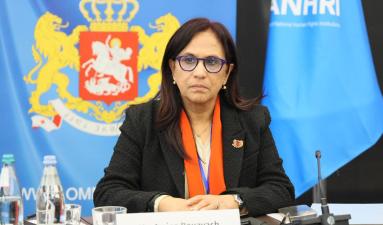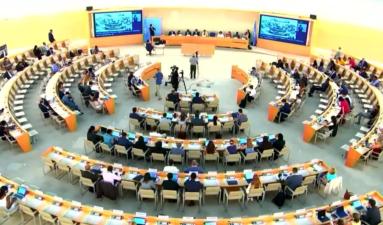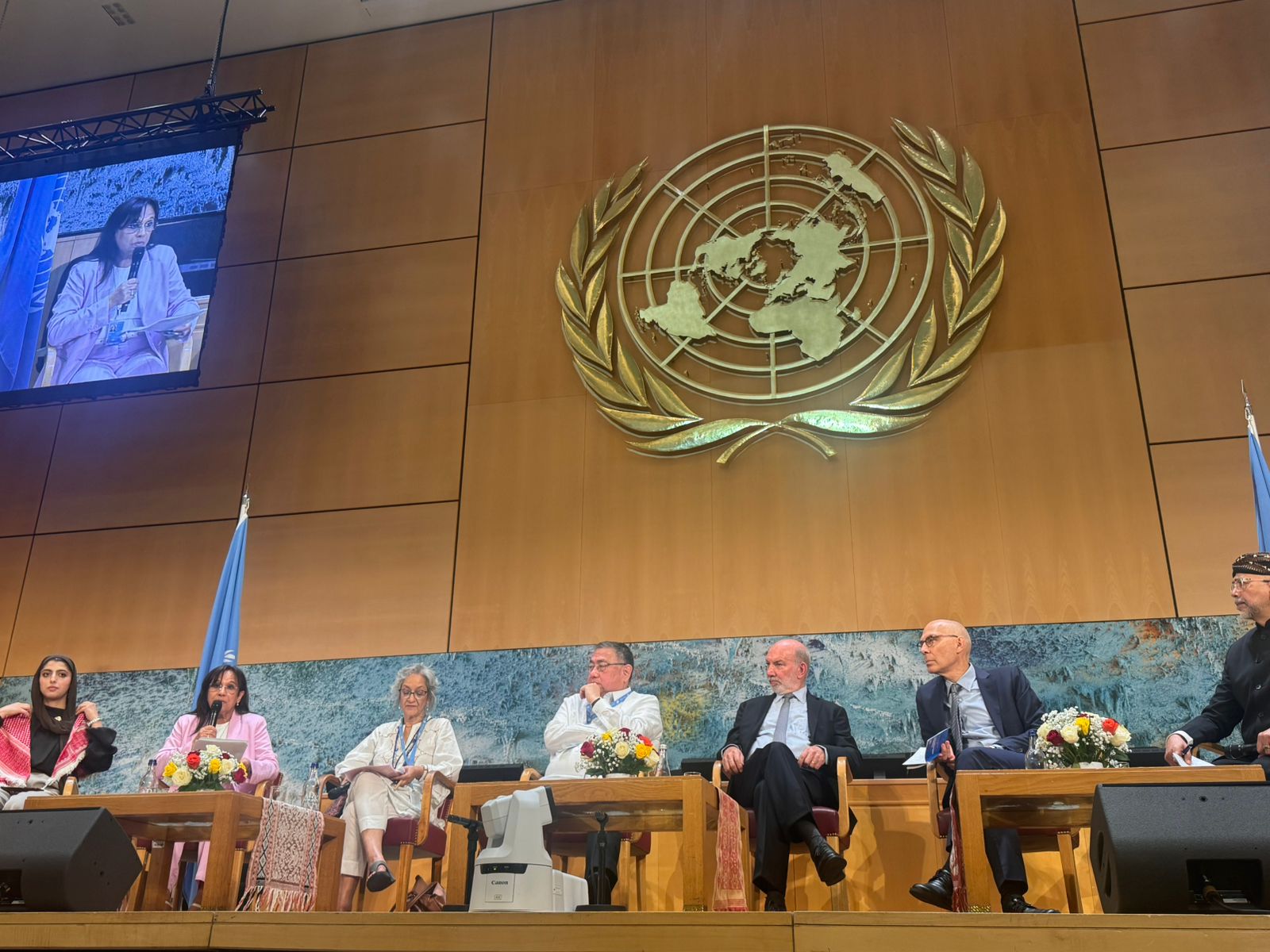
Following interventions by UN Secretary-General António Guterres and UN High Commissioner for Human Rights Volker Türk, mS. Amina Bouayach, Chairperson of the National Human Rights Council (CNDH) and of the Global Alliance of National Human Rights Institutions (GANHRI), took the floor to underscore the role of the UN Human Rights Council (HRC) in Geneva as it marked its 20th anniversary.
She emphasized that societies worldwide are undergoing profound transformations driven by the opportunities and challenges of digital platforms and AI. Looking ahead to the Council’s next two decades, she emphasized that these developments must be fully integrated into the way the international human rights system operates.
In particular, the GANHRI Chairperson advocated for a shift in the methodology of human rights recommendations, urging the adoption of what she described as “smart recommendations.” Rather than producing large numbers of recommendations that often remain unimplemented due to financial or human-resource constraints, she called for more targeted and actionable measures that national human rights institutions, civil society organizations, and other stakeholders can actively promote and monitor over time. Such an approach, she explained, would better ensure the effective realization of rights and freedoms.
She added that digital spaces and AI will increasingly shape the future of human rights, presenting both opportunities and risks. As a result, the HRC will need to adapt to a rapidly evolving environment that differs significantly from that of the past decade.
In this context, Ms. Bouayach highlighted the pivotal role of national human rights institutions (NHRIs) in strengthening the international human rights system. “NHRIs are a vital bridge between the national and international spheres, helping to enrich global human rights frameworks through lessons drawn from national experiences while translating universal human rights principles into local realities.”
She further stressed that close cooperation among the HRC, the Office of the High Commissioner for Human Rights, the UN Special Procedures, GANHRI, regional networks, and NHRIs is essential to building a more inclusive and participatory human rights architecture.
Reflecting on the progress achieved over the past two decades, the CNDH Chairperson noted that the number of NHRIs worldwide has increased from around 50 to approximately 120. This growth, she underlined, is due in part to sustained efforts to strengthen their position within the UN human rights system, a development that reflects growing international recognition of their role as a key link between national and international human rights mechanisms.
She also drew attention to what she described as a growing global crisis of trust. Citizens, she noted, are not rejecting institutions themselves, whether national or international; rather, they are questioning their ability to deliver concrete results and respond effectively to people’s expectations. This challenge has become even more pronounced amid the weakening of multilateral cooperation, unprecedented attacks on international human rights law, and persistent funding constraints affecting the human rights sector.
“The value of human rights and of the HRC cannot be measured only by dialogue and recommendations,” she noted. “It must be assessed by their effectiveness, implementation, and tangible impact on people’s daily lives.”
Despite these unprecedented challenges, Ms. Bouayach reaffirmed the commitment of NHRIs to supporting the work of the HRC and promoting the implementation of its recommendations, often in difficult national contexts across different regions.
Concluding her remarks, she called for renewed confidence in the HRC and stronger coordination among the various international human rights mechanisms. Positioning the Council as a central platform within the global human rights protection system, she stressed, would enhance its capacity to respond to contemporary challenges and advance the effective realization of human rights worldwide.
“The effective realization of human rights at the national, regional, international, and UN levels remains the guiding principle of our work as the Council marks its 20th anniversary and prepares for the challenges and opportunities of an increasingly digital future.”


Read more