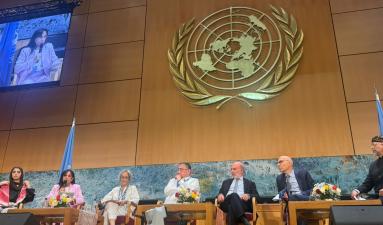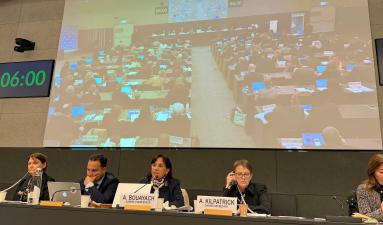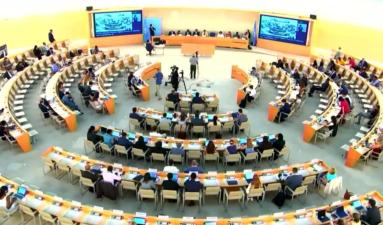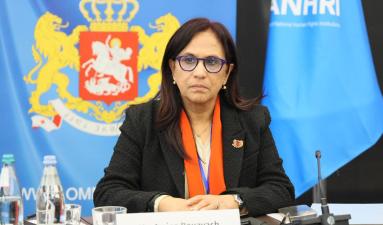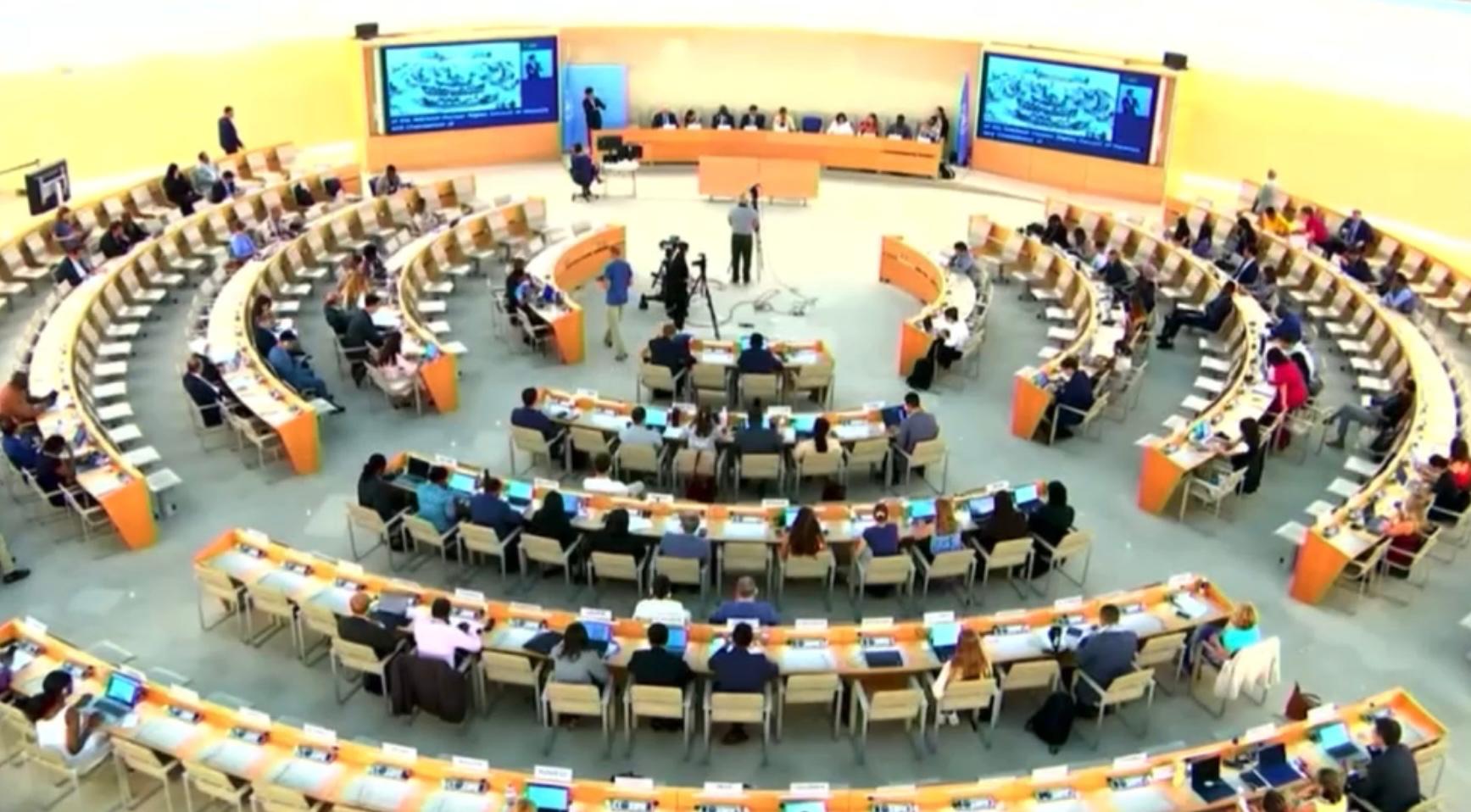
As part of the annual thematic panel discussion on technical cooperation and capacity-building to promote the effectiveness of human rights worldwide, held today at the 59th session of the United Nations Human Rights Council in Geneva, Ms. Amina Bouayach, Chairperson of the National Human Rights Council (CNDH) and President of the Global Alliance of National Human Rights Institutions (GANHRI), highlighted the pressing challenges that currently threaten the core principles and universality of human rights.
In an increasingly divided world, human rights are facing multiple and complex tests. From the decreasing multilateral cooperation to rising geopolitical tensions and structural funding crises—particularly within the UN system—these dynamics ultimately weaken the effectiveness of global human rights protection mechanisms.
Ms. Bouayach warned that these changes profoundly undermine the principle of the universality of human rights, at a time when international cooperation has become alarmingly fragile. She emphasized that the capacity of institutions to respond effectively to crises depends not only on legal frameworks but also on "strong political will, a comprehensive approach, and effective coordination between local dynamics and international systems."
Facing climate crisis and its repercussions, ongoing armed conflicts, structural inequalities, social disparities, and persistent forms of discrimination, NHRIs and mechanisms today are confronted with unprecedented challenges, expressed the GANHRI Chairperson. “No single actor can meet these challenges alone,” she affirmed.
Isolated responses, she added, will fall short in preventing human rights violations or in ensuring the effective and meaningful protection of human rights and dignity.
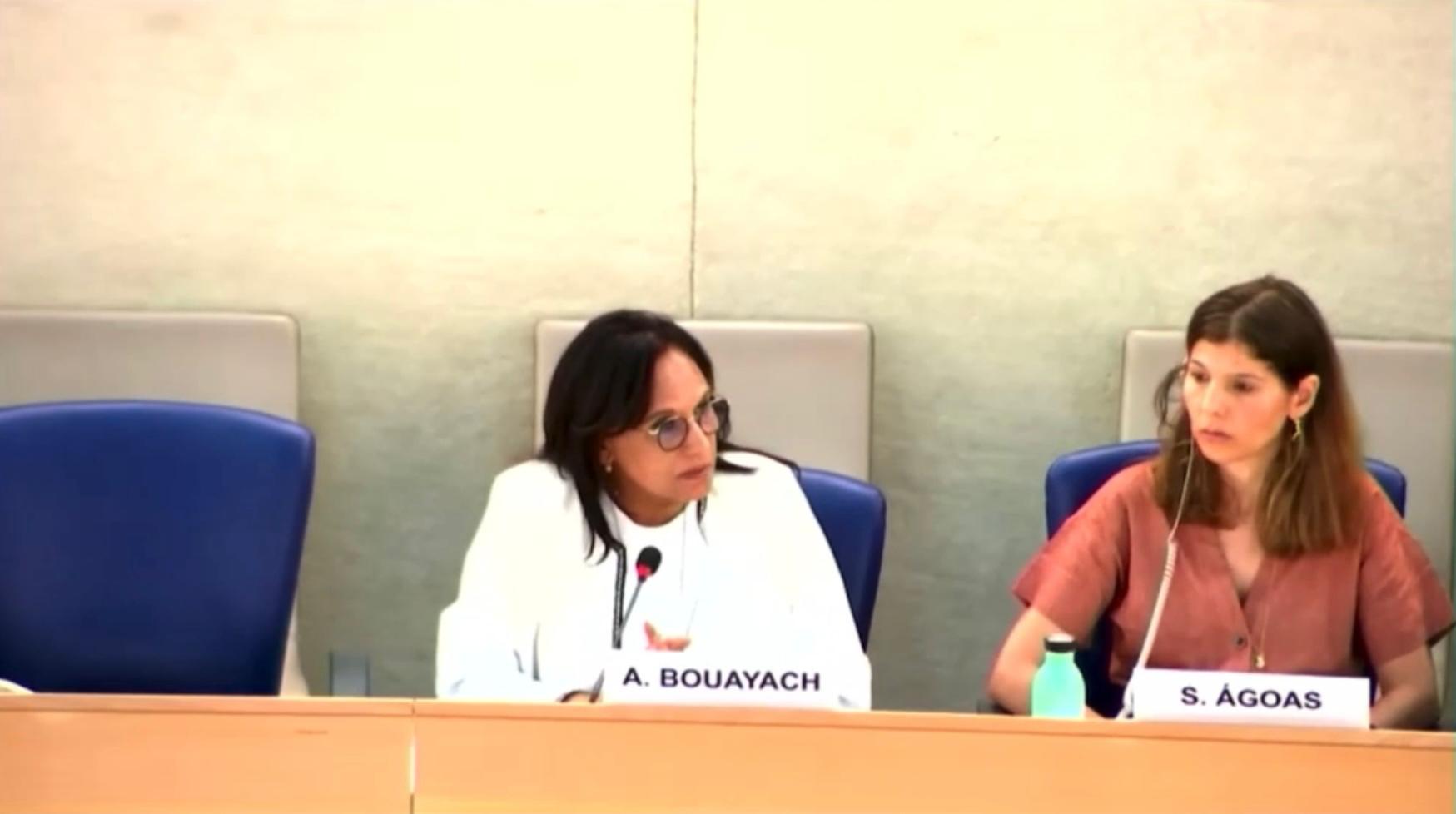
For this reason, Ms. Bouayach, in her advocacy at the UN, called for a renewed cooperation between national and international actors, within a coherent framework and strong institutional structures, anchored in a shared commitment to dignity, justice, and the effectiveness of human rights.
“Our goal,” stated CNDH Chairperson, “is to defend human rights beyond the technical aspects of reporting, by building an effective system capable of translating international standards into lived realities and tangible impacts in the daily lives of individuals, especially for those in vulnerable situations.”
“Human rights represent the first line of defense against the complex disruptions and challenges of the 21st century,” said Ms. Bouayach. “While legal frameworks and institutions are crucial, they alone are not sufficient. Coordinated and comprehensive mobilization remains the most effective way to confront violations of rights and freedoms and the ongoing threat to their universality,” added Ms. Bouayach.
Ms. Bouayach, in her capacity as GANHRI Chairperson, also noted the pivotal roles played by NHRIs in preventing violations, protecting individuals and victims, and fostering a culture of human rights and freedoms at the national level. She stressed the importance of States ensuring the independence of these institutions and strengthening their mandates in line with the Paris Principles that guide their work.
She also referenced a recent GANHRI study on “The Role and Experiences of NHRIs in Establishing and Strengthening National Mechanisms for Implementation, Reporting, and Follow-up (NMIRFs).” This study identified four models of national follow-up mechanisms, noting disparities in their effectiveness across countries, particularly those that opted for temporary (ad hoc) mechanisms often struggling to ensure the continuity of the implementation of international recommendations- a concern underscored by Ms. Bouayach in her statement.
In this context, the GANHRI Chairperson shed light on the importance of strengthening cooperation between NHRIs and these mechanisms. She underlined that such complementarity has become more necessary than ever to ensure the resilience and legitimacy of human rights systems at the national level.
Current contexts, she noted, require effective coordination and sustainable cooperation between these institutions and follow-up mechanisms. Ms. Bouayach further called for the continuous implementation of international human rights recommendations and the adoption of a human-centered approach that places the needs and rights of vulnerable groups at the heart of national public policies.
Ms. Bouayach also reiterated her concern over the financial crisis affecting the UN system, which could negatively impact the effectiveness of human rights, cooperation and protection mechanisms. She warned that this situation risks weakening the dynamics of interaction between national and international actors and hindering the implementation of UN human rights recommendations.
“Human rights cannot be reduced to legislation,” Ms. Bouayach concluded. “They represent a collective defense of human dignity in its broadest sense. Human rights are not a matter of choice, they are the minimum standard—and the essential foundation for building just, stable, and resilient societies.”


Read more