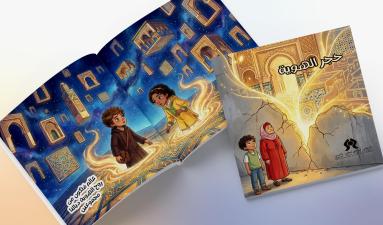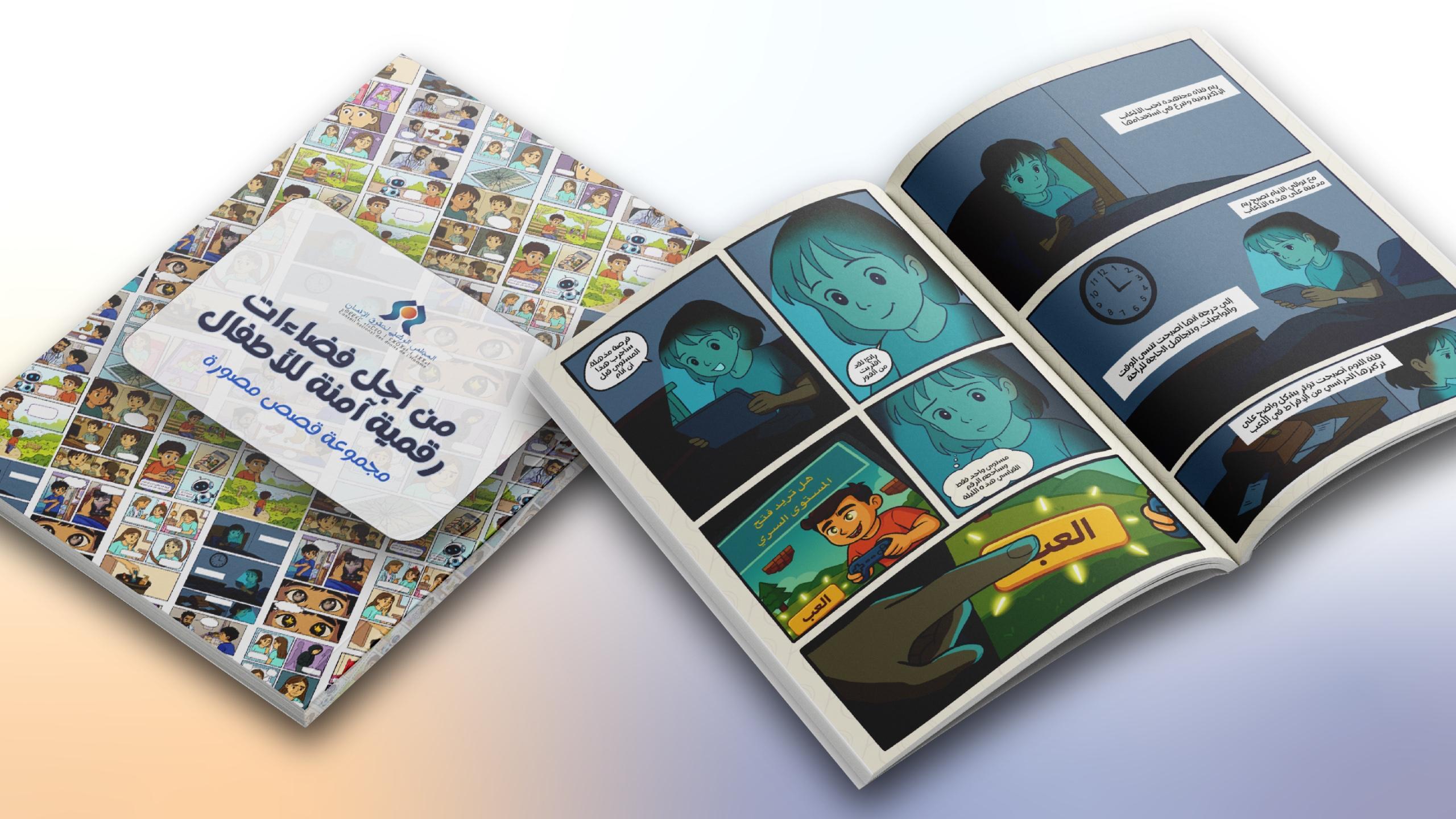
As part of its participation program at the International Publishing and Book Fair 2026 (SIEL), the National Human Rights Council (CNDHà has launched a comic book collection designed to raise awareness among children and adolescents about the safe and responsible use of technology, artificial intelligence, and digital spaces.
Drawing on situations inspired by children’s everyday online experiences, the stories explore a digital world where opportunities for learning, creativity, and self-expression coexist with risks such as exploitation, manipulation, addiction, hacking, and psychological and social harm.
Through an accessible visual and educational approach, the collection addresses issues such as personal data protection, online grooming, excessive gaming, the impact of digital content on self-image and self-confidence, as well as the challenges associated with artificial intelligence and disinformation.
In the foreword to the collection, Ms. Amina Bouayach, Chairperson of the National Human Rights Council (CNDH), stresses that the digital space“is no longer simply a sphere for communication or entertainment,” but has become “an integral part of daily life and a true extension of the spaces where rights and freedoms are exercised.”
She notes that innovation and digital technologies offer children “broad opportunities for learning, discovery, creativity, and self-expression,” while also presenting significant challenges linked to personal data protection, disinformation, psychological well-being, exploitation, digital addiction, and various forms of online targeting.
The initiative highlights the importance of strengthening digital literacy and awareness as essential conditions for making the digital environment “a safe space that preserves human dignity, protects rights, and guarantees the protection of all children without discrimination.”
The publication forms part of the CNDH's broader commitment to promoting and protecting children’s rights, while extending its work on digital spaces and emerging technologies. It also reflects the Council’s openness to new forms of communication capable of combining education and creativity through language and formats that resonate with children and young people.
This collection is the fruit of a participatory process involving children from different regions across the country. It was shaped through dozens of consultation meetings, drawing workshops, and collective brainstorming sessions, which helped inspire its themes and characters. The illustrations were later produced by artist Youssef Rahali, with funding from the European Union, as part of a partnership between the Council and the EU.
“Through this process, we wanted the voices of the children we met to become messages of awareness, and their experiences to be transformed into living stories that reflect their reality and speak to their peers in a language close to their own,” noted the CNDH Chairperson in the foreword.
The stories aim to encourage children to think critically, verify information, protect their personal data, and engage responsibly with digital content, while reinforcing the idea that technology can be a space for learning and creativity, as long as it is used wisely and with respect for rights.
The publications were presented at the ten-day International Book Fair through readings and interactive workshops for children held each morning, offering greater opportunities for engagement, awareness, and learning.
Through similar initiatives, the CNDH continues to develop innovative ways of raising awareness, using storytelling, illustration, and creativity to foster a stronger culture of human rights and digital rights among children and young people.